
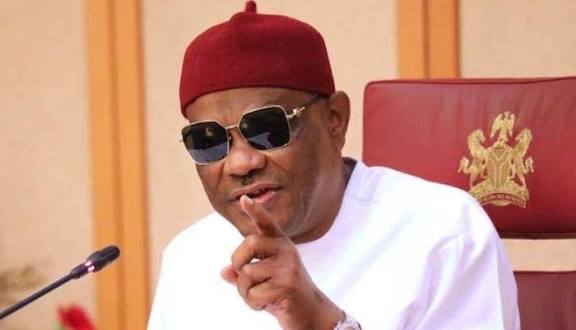
Concerns over the future of opposition politics in Nigeria have intensified as the country edges closer to the 2027 general elections. Allegations that the Independent National Electoral Commission (INEC) is colluding with powerful political actors to weaken opposition parties have sparked widespread debate, particularly within the Peoples Democratic Party (PDP), Nigeria’s main opposition force.
Concerns over the future of opposition politics in Nigeria have intensified as the country edges closer to the 2027 general elections. Allegations that the Independent National Electoral Commission (INEC) is colluding with powerful political actors to weaken opposition parties have sparked widespread debate, particularly within the Peoples Democratic Party (PDP), Nigeria’s main opposition force.
At the center of the controversy is INEC’s refusal to recognise the Tanimu Turaki (SAN)-led National Working Committee (NWC) of the PDP. The electoral commission justified its decision by citing existing court judgments and unresolved legal disputes within the party. INEC maintained that until the legal issues are conclusively resolved, it cannot formally acknowledge the leadership faction.
President Tinubu Approves Debt Write-Off For NNPC – $1.42bn & N5.57tn Cancelled
However, critics argue that the decision goes beyond legal technicalities. Opposition figures and civil society organisations claim the move is a calculated effort to destabilise the PDP ahead of the next presidential election. They believe weakening the party’s internal structure could significantly undermine its ability to present a credible challenge to the ruling All Progressives Congress (APC) in 2027.
Several civil rights groups have accused INEC of acting in concert with the Presidency, the APC leadership, and the Minister of the Federal Capital Territory, Nyesom Wike. According to these groups, the alleged collaboration is aimed at clearing the political path for President Bola Tinubu’s re-election by fragmenting opposition strength.
Controversy Surrounding INEC’s Role and Opposition Stability
The Human Rights Writers Association of Nigeria (HURIWA) has been particularly vocal, describing INEC’s position as contradictory and troubling. The group noted that the same electoral body monitored the PDP national convention held in Ibadan, Oyo State, where the Turaki-led leadership emerged. HURIWA argued that it was inconsistent for INEC to later question the legitimacy of a process it officially observed.
HURIWA further alleged that the development is part of a broader, coordinated strategy to cripple the PDP and prevent it from producing a strong presidential candidate capable of challenging the ruling party. The association also called for a thorough investigation into claims by Oyo State Governor Seyi Makinde that Minister Nyesom Wike is actively working to weaken the PDP from within.
Emmanuel Onwubiko, HURIWA’s National Coordinator, accused INEC of allowing itself to be used as a political instrument to suppress opposition voices. He warned that sustained attacks on opposition parties pose a serious threat to democratic governance and political pluralism. Onwubiko urged President Tinubu to intervene and halt what he described as a deliberate agenda to undermine Nigeria’s multiparty democracy.
Amid rising concerns, Nasarawa State Governor Abdullahi Sule dismissed fears that Nigeria is drifting toward a one-party state. Speaking to journalists over the weekend, Sule argued that political dominance by one party is not new in Nigeria’s history. He recalled a period when the PDP controlled nearly 29 states alongside the federal government without the country losing its multiparty structure.
Sule’s comments come against the backdrop of recent defections by several opposition governors to the APC. Governors Sheriff Oborevwori of Delta, Douye Diri of Bayelsa, Peter Mbah of Enugu, Umo Eno of Akwa Ibom, and Caleb Mutfwang of Plateau have reportedly joined the ruling party. Taraba State Governor Kefas Agbu is also expected to formally defect in January.
In addition, the APC has recorded a surge in lawmakers defecting from opposition parties, giving it more than a two-thirds majority in both chambers of the National Assembly. Despite these gains, Sule insisted that opposition politics would survive, maintaining that Nigeria’s democratic system remains resilient enough to sustain multiple political voices.







Leave a Comment
Your email address will not be published. Required fields are marked with *