
“A nation that values money more than human life slowly loses its soul.” Written By Henry Olamilekan Ojo Across many parts of Nigeria today, people wake up every morning with fear instead of hope. Parents worry when their children leave for school. Farmers are afraid to enter their farms. Travelers pray before stepping onto highways.
“A nation that values money more than human life slowly loses its soul.”
Written By Henry Olamilekan Ojo
Across many parts of Nigeria today, people wake up every morning with fear instead of hope. Parents worry when their children leave for school. Farmers are afraid to enter their farms. Travelers pray before stepping onto highways.
In many communities, insecurity has become so common that heartbreaking stories no longer shock people the way they used to. The painful reality is that human life often appears cheap in a country blessed with enormous wealth and resources.
Many Nigerians believe the government has not done enough to protect ordinary citizens. From kidnapping to attack on villages and schools, people continue to ask difficult questions about leadership, security, and accountability. Citizens pay taxes, obey laws, and vote during elections, yet many still feel abandoned when danger comes knocking. Across social media and public discussions, frustration continues to grow as families mourn loved ones lost to violent crimes.
 blob:https://www.image2url.com/6b1201f1-93ee-44f9-bbeb-45816585e575
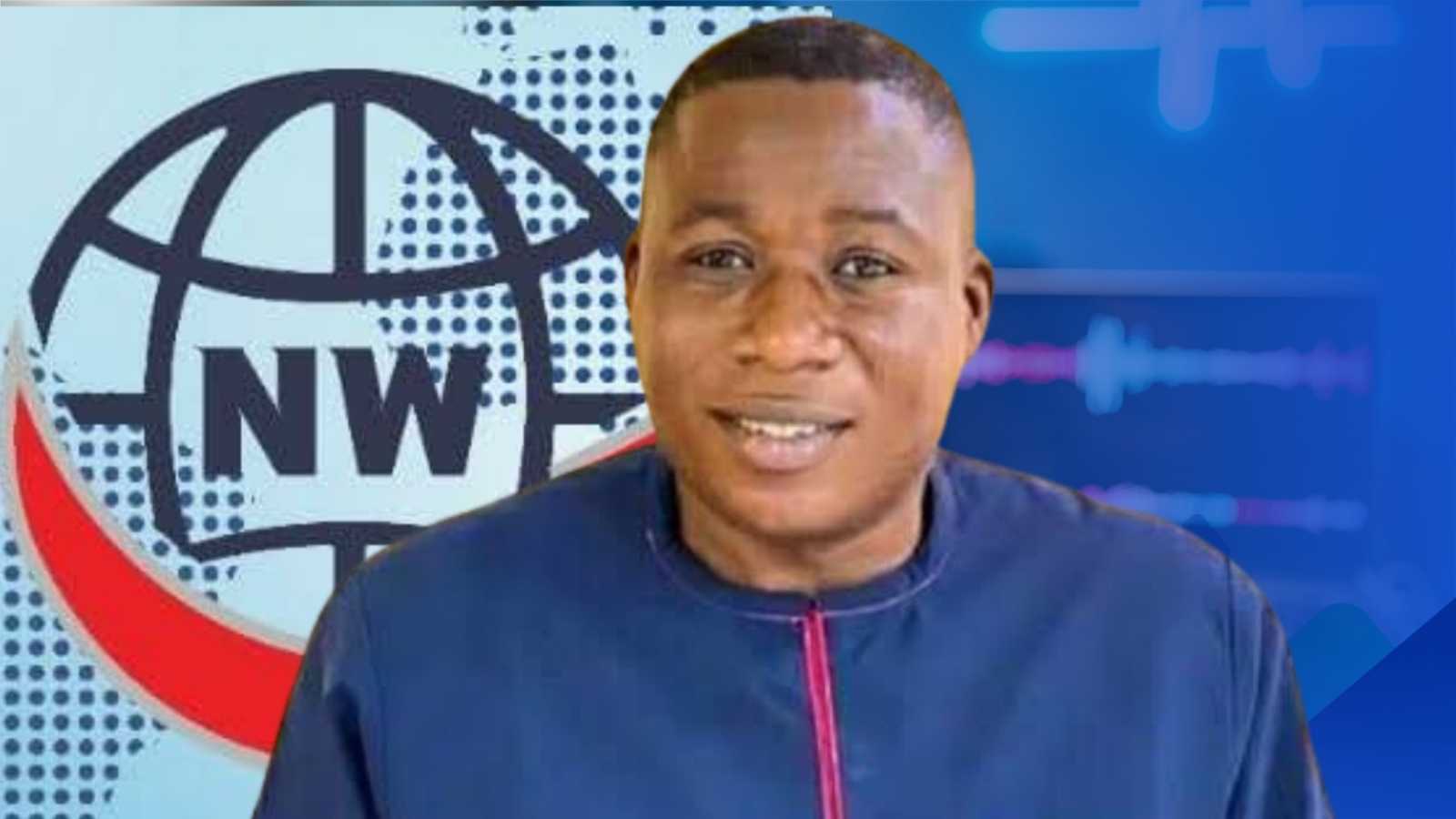
This growing anger has once again brought the name of Chief Sunday Adeyemo, popularly known as Sunday Igboho, into this conversation. Yoruba nation activist became widely known after boldly declaring that he was ready to defend Yoruba land against criminal attacks and insecurity. At the peak of his popularity, many supporters saw him as a fearless defender of the people, a man willing to risk his life to protect communities that felt neglected by authorities.
For many Yoruba youths and supporters, Sunday Igboho represented resistance, courage, and self-defense. He spoke passionately about protecting lives and properties in the South-West. His movement attracted massive support online and offline, especially from people who believed traditional political leaders were not doing enough to secure the region.
But today, many of those same supporters are beginning to ask difficult questions.
Nigerians once again called on Chief Sunday Adeyemo Igboho to leave politics and return to the mission many believed he originally stood for — securing Yoruba land.
According to reports, one of the kidnapped teachers from Community High School, Ahoro-Esinele in Oriire Local Government Area of Oyo State, identified as Michael Oyedokun, was reportedly killed by his captors.
The incident sparked outrage across the country after a disturbing video allegedly released by the kidnappers surfaced online. Reports stated that the victim was tied and forced to speak before he was killed. The tragic development has raised serious concerns about the safety of other victims who remain in captivity.
The viral video triggered emotional reactions from Nigerians, especially on social media platforms where many users expressed anger, sadness, and frustration over the worsening insecurity in the country. While many condemned the attackers, others questioned the silence of leaders and activists who once promised to stand strongly against criminal activities in the South-West.
“Where Is Sunday Igboho?”
That question has now become a major topic online.
Several Nigerians, particularly Yoruba youths, have openly called on Sunday Igboho to return and actively speak against the rising insecurity affecting communities in the region. Some supporters believe that the activist has become too involved in politics and international campaigns while local communities continue to face violent attacks.
Critics argue that many promises made during the height of the Yoruba self-determination movement have not translated into visible security improvements for ordinary people. According to them, communities still face kidnappings, killings, and fear despite earlier assurances that Yoruba land would be defended.
Others, however, believe the situation is more complicated.
Some supporters of Igboho argue that one man alone cannot solve the deep security challenges facing Nigeria. They insist that insecurity requires coordinated efforts from federal authorities, state governments, security agencies, traditional rulers, and local communities. To them, placing the entire burden on a single activist is unrealistic.
For families affected by kidnappings and violence, every new tragedy reopens old wounds. The killing of the Oyo teacher has become another painful reminder of how unsafe many communities have become. Teachers, students, farmers, traders, and travelers continue to live under constant fear in several parts of the country.
The Rise of Sunday Igboho
Sunday Igboho rose to national prominence during periods of heightened tension over insecurity in the South-West. His bold speeches and confrontational style attracted widespread attention. Many people admired his confidence and willingness to openly challenge criminal activities affecting local communities.
At one point, he became one of the strongest voices in the Yoruba self-determination movement. Crowds gathered wherever he appeared. Social media users celebrated him as a defender of the people. His name became a symbol of resistance against insecurity and perceived injustice.
His supporters believed he represented something missing in Nigerian politics — courage without fear.
But popularity also brought pressure.
As expectations grew, many people began to look at him not just as an activist, but as someone capable of delivering real protection and solutions. In difficult times, people often search for strong figures they can trust. For many frustrated Nigerians, Sunday Igboho became one of those figures.
Now, years later, some of those same people feel disappointed that insecurity still persists.
The death of Michael Oyedokun has once again reminded Nigerians of the painful reality many communities face daily. Beyond politics, movements, or public figures, the real issue remains the safety of human lives.
Many Nigerians are no longer interested in speeches alone. They want action. They want security. They want justice. They want a country where teachers can educate students without becoming targets of violence.
As conversations continue online about Sunday Igboho and the Yoruba nation movement, one truth remains clear: insecurity has become one of the greatest challenges facing Nigeria today.
And until lives are properly valued above power, money, and politics, the cries of the people will only grow louder.














Leave a Comment
Your email address will not be published. Required fields are marked with *