
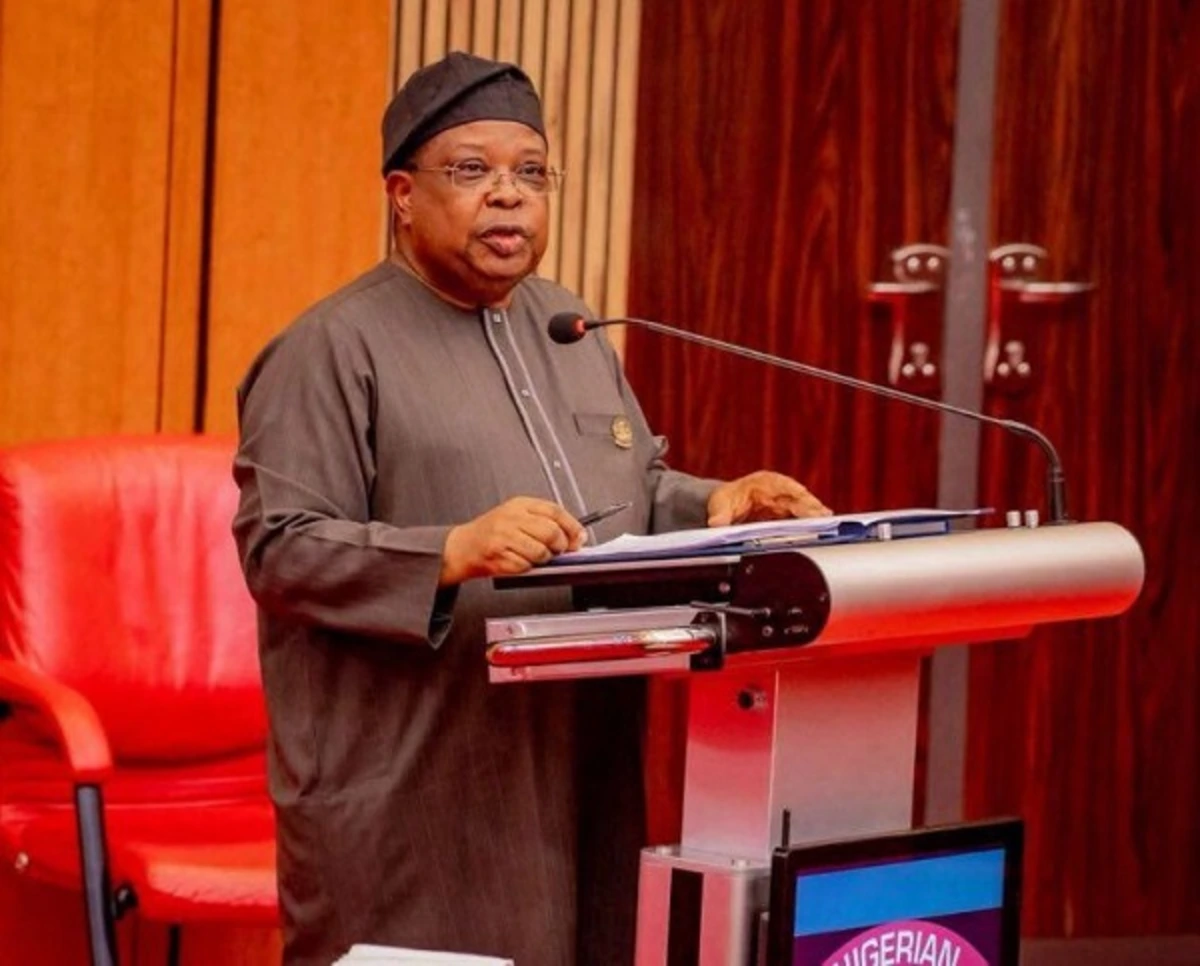
The Federal Government is advancing plans to establish Energy Zones in some of Nigeria’s highest electricity-demand areas as part of efforts to improve power supply and move towards stable, 24-hour electricity for homes, businesses and industries. Minister of Power, Joseph Tegbe, disclosed the plan during a strategic meeting with the leadership of selected electricity distribution
The Federal Government is advancing plans to establish Energy Zones in some of Nigeria’s highest electricity-demand areas as part of efforts to improve power supply and move towards stable, 24-hour electricity for homes, businesses and industries.
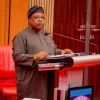
Minister of Power, Joseph Tegbe, disclosed the plan during a strategic meeting with the leadership of selected electricity distribution companies, where discussions focused on strengthening the distribution end of Nigeria’s power value chain.
Senate, House Of Reps Embark On Another Recess After 68-Day Vacation
 blob:https://www.image2url.com/6b1201f1-93ee-44f9-bbeb-45816585e575
The initial areas identified for the proposed Energy Zones are the Lagos axis, Abuja-Kaduna-Kano corridor and Enugu-Port Harcourt corridor.
According to the government, the initiative is designed to address distribution constraints and strengthen infrastructure in locations with significant electricity demand. It is also expected to unlock additional commercial and industrial demand while improving the revenue and collection capacity of electricity distribution companies.
Tegbe said challenges in Nigeria’s power sector extend beyond electricity generation and transmission, noting that the distribution network must also have the capacity to absorb available power and deliver it efficiently to consumers.
The meeting was attended by representatives of the Abuja Electricity Distribution Company (AEDC), Ikeja Electric, Eko Power Ltd, Ibadan Electricity Distribution Company (IBEDC) and Sahara Energy Group.
The proposed zones come amid significant revenue and collection challenges in the electricity distribution market. Data from the Nigerian Electricity Regulatory Commission (NERC) showed that the 11 DisCos supplied electricity valued at about ₦3.68 trillion in 2025, while customers were billed approximately ₦2.99 trillion and only about ₦2.32 trillion was collected.
This represented a gap of about ₦694.8 billion between electricity supplied and billed, while another ₦669.49 billion represented electricity that was billed but not collected, bringing the combined difference between electricity supplied and revenue collected to approximately ₦1.36 trillion.
The Federal Government says the Energy Zones are intended to help close such gaps by improving infrastructure in high-demand areas, enabling consumers to take up available electricity and strengthening payment and revenue collection across the distribution network.
The initiative is part of the government’s broader efforts to stabilise the electricity value chain. Tegbe has also said the Federal Government has no immediate plan to increase electricity tariffs, as the administration focuses on improving efficiency and addressing challenges within the sector.

















Leave a Comment
Your email address will not be published. Required fields are marked with *