
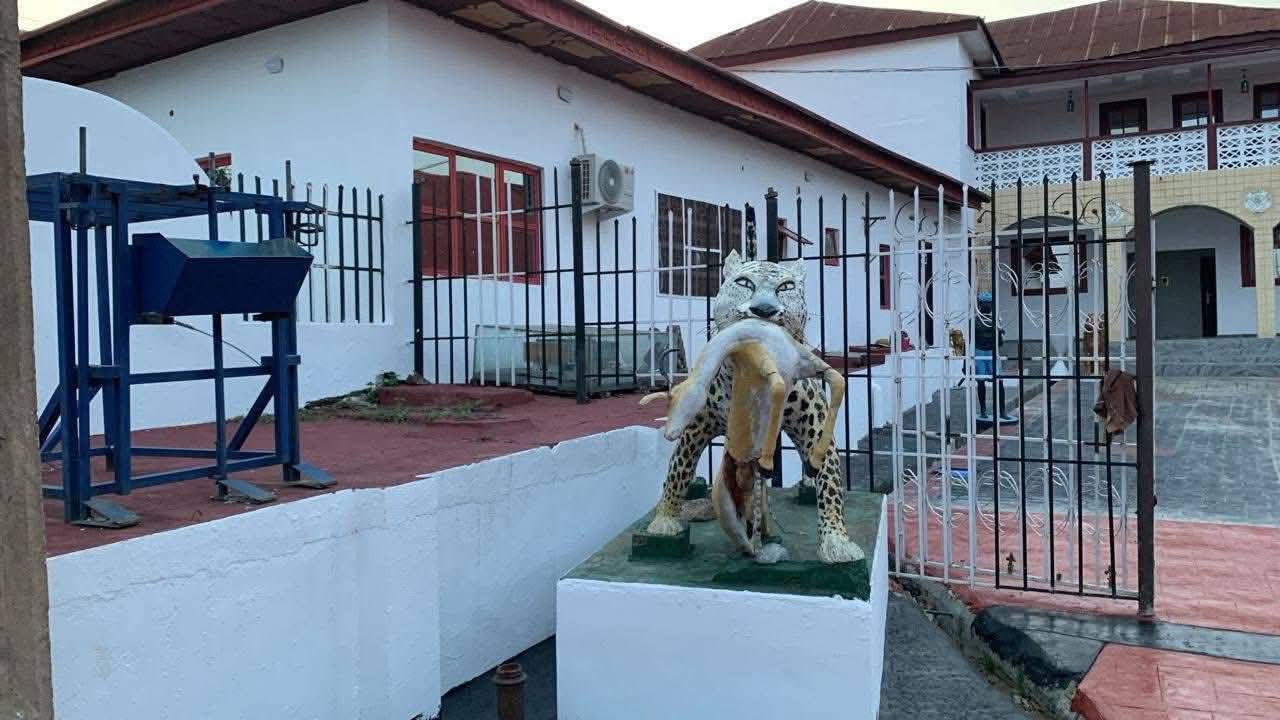
The Alaafin of Oyo has officially moved into the historic Oyo Palace following the successful completion of its rehabilitation and reconstruction, marking a significant cultural and historical milestone for Oyo Kingdom and the entire Yoruba race. The return of the Alaafin to the ancient palace restores centuries-old tradition, as the palace is not merely
The Alaafin of Oyo has officially moved into the historic Oyo Palace following the successful completion of its rehabilitation and reconstruction, marking a significant cultural and historical milestone for Oyo Kingdom and the entire Yoruba race.
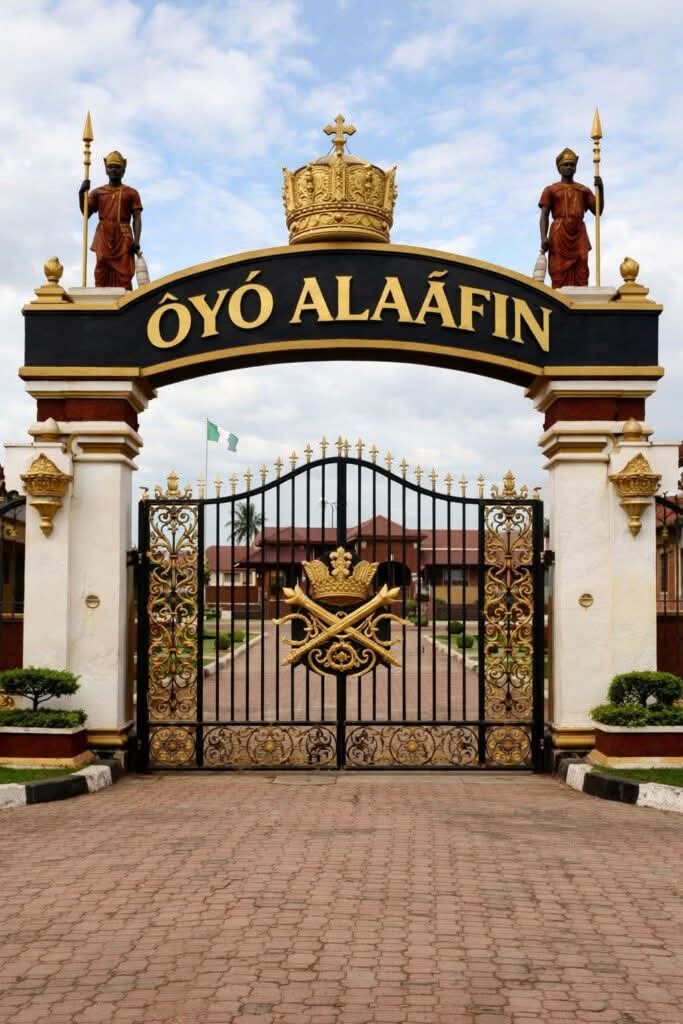 The return of the Alaafin to the ancient palace restores centuries-old tradition, as the palace is not merely a royal residence but the spiritual, political, and cultural heart of the Oyo Empire. The move signals continuity of heritage, respect for ancestral institutions, and renewed commitment to preserving Yoruba history.
 blob:https://www.image2url.com/6b1201f1-93ee-44f9-bbeb-45816585e575
Abuja Vendors Celebrate As Rice Prices Crash From ₦76,000 To ₦55,000
The Ancient Oyo Palace: Historical Background
The Oyo Palace traces its origins to the height of the Old Oyo Empire (circa 14th–18th centuries), one of the most powerful pre-colonial empires in West Africa. The Alaafin, as the supreme ruler, governed a vast territory stretching from present-day southwestern Nigeria into parts of Benin and Togo.
Historically, the palace was built as a complex of courtyards, halls, shrines, and sacred spaces, rather than a single structure. Each section served a specific purpose—administrative, judicial, spiritual, and domestic—reflecting the sophisticated governance system of the Oyo Empire.
The palace traditionally housed:
The Alaafin’s royal apartments
Meeting halls for the Oyo Mesi (the council of chiefs)
Sacred shrines linked to ancestral spirits and deities
Spaces for royal ceremonies, festivals, and judicial proceedings
Political and Cultural Importance
The palace symbolized the absolute authority of the Alaafin, balanced by constitutional checks from the Oyo Mesi and religious oversight from the Aare Ona Kakanfo and priestly institutions. Major decisions affecting war, diplomacy, trade, and succession were taken within the palace walls.
It was also from this palace that:
Military campaigns were sanctioned
Tribute from vassal states was received
Foreign envoys and traders were welcomed
Laws and customs were enforced
Spiritual and Traditional Value
Beyond politics, the Oyo Palace holds deep spiritual significance. It is closely connected to Yoruba cosmology and ancestral worship. Several annual rites and festivals, including traditional rites linked to Oranmiyan—the legendary progenitor of the Oyo people—are tied to the palace.
The Alaafin is regarded not only as a king but as a custodian of sacred traditions, and his presence in the palace is believed to maintain spiritual balance and continuity between the ancestors, the living, and generations unborn.
Decline, Damage, and Need for Reconstruction
Over time, sections of the ancient palace suffered deterioration due to age, environmental factors, and modernization pressures. Some structures became unsafe, prompting the need for temporary relocation of the Alaafin while extensive rehabilitation and reconstruction were carried out.
The reconstruction project focused on:
Preserving original architectural designs
Reinforcing weakened structures
Restoring culturally significant sections
Blending traditional aesthetics with modern safety standards
Care was taken to ensure that sacred spaces and historical layouts were respected, in line with Yoruba customs and traditions.
Significance of the Alaafin’s Return
The Alaafin’s return to the palace represents:
Restoration of tradition after a period of displacemen
Renewed cultural pride for the people of Oyo and Yorubaland
Preservation of history for future generations
Reaffirmation of the Alaafin’s spiritual and traditional authority
It also positions the palace as a major cultural heritage site, with potential to boost tourism, historical research, and cultural education.
The rehabilitation and reoccupation of the ancient Oyo Palace underscore the enduring relevance of traditional institutions in modern Nigeria. For the people of Oyo, the palace is more than bricks and mortar—it is a living symbol of identity, history, authority, and ancestral legacy.
With the Alaafin now fully returned, the ancient palace once again stands as the beating heart of the Oyo Kingdom, echoing the glory of a civilization that shaped Yoruba history and West African heritage.






















Leave a Comment
Your email address will not be published. Required fields are marked with *