

The internal processes of the All Progressives Congress, APC, ahead of the 2027 general elections have sparked widespread political tension across Nigeria, as delays in screening reports, disputes over consensus arrangements, and rising factional battles continue to shape the party’s direction. Reports indicate that thousands of aspirants across presidential, governorship, senatorial, and legislative positions were
The internal processes of the All Progressives Congress, APC, ahead of the 2027 general elections have sparked widespread political tension across Nigeria, as delays in screening reports, disputes over consensus arrangements, and rising factional battles continue to shape the party’s direction.
Reports indicate that thousands of aspirants across presidential, governorship, senatorial, and legislative positions were screened, but the party has yet to officially release the final list of cleared candidates amid growing controversy and petitions.
The ongoing uncertainty surrounding the screening process within the All Progressives Congress has raised concerns among aspirants and political observers, particularly as the party struggles to meet deadlines set by the Independent National Electoral Commission, INEC.
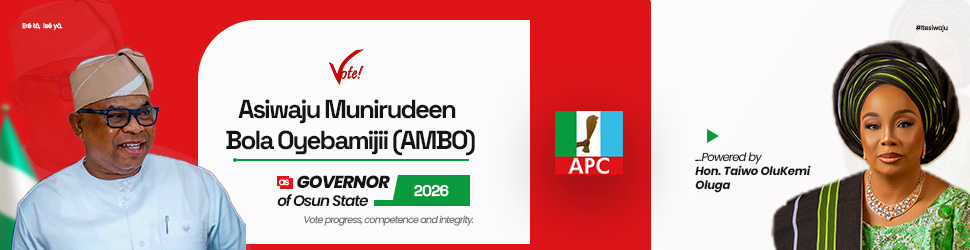 blob:https://www.image2url.com/6b1201f1-93ee-44f9-bbeb-45816585e575
Party insiders confirmed that approximately 2,980 aspirants were screened across various levels, including one presidential slot, 28 governorship positions, 109 Senate seats, 360 House of Representatives seats, and 991 state assembly tickets.
However, despite an earlier commitment to publish cleared names by May 13, the report remains unreleased due to what officials described as a surge of petitions from screening panels across the country.
A senior party source stated that the leadership is carefully reviewing complaints to avoid legal disputes and internal defections that could weaken the party ahead of 2027.
The uncertainty has particularly affected political figures linked to several state blocs, including allies of Siminalayi Fubara in Rivers State, although party officials insist that no governor has been disqualified.
According to sources, governors such as Hope Uzodimma have reportedly received automatic clearance, reinforcing claims that the party continues to protect sitting governors within its structure.
APC Under Pressure From Screening Disputes And Fears Of Violent Primaries
The APC leadership is reportedly divided between adopting consensus arrangements and conducting direct primaries in accordance with the Electoral Act.
While consensus has been described as the preferred option to maintain party unity, several aspirants have resisted the approach, insisting on transparent competitive primaries.
In states such as Oyo State, governorship aspirants have openly rejected any attempt at imposition, warning that manipulated consensus arrangements could destabilize internal democracy.
Similarly, in Ondo State, Governor Lucky Aiyedatiwa has bowed to pressure to adopt direct primaries after resistance from stakeholders and directives from the party’s National Working Committee.
The Ondo decision comes amid heightened security concerns, with police authorities deploying tactical units across flashpoint areas to prevent electoral violence ahead of party primaries scheduled for May 15, 18, and 20, 2026.
Internal Party Conflicts Spread Across States
In Gombe State, former governor Danjuma Goje reportedly left the APC following disagreements over a senatorial consensus arrangement, highlighting growing dissatisfaction with state-level influence in candidate selection.
In Ogun State, tensions between Senator Gbenga Daniel and Governor Dapo Abiodun have intensified over claims and counterclaims regarding consensus politics and party loyalty.
While the state government accused Daniel of political inconsistency, his camp insisted he emerged through a delegate-based primary process, not a consensus arrangement, deepening divisions within the party structure.
Meanwhile, in Benue State, internal disagreements linked to Governor Hyacinth Alia and other factions are also contributing to uncertainty over candidate selection.
Beyond internal power struggles, concerns have also emerged over gender representation in party primaries.
Women’s rights advocate Osasu Igbinedion Ogwuche accused major political parties, including APC and others, of sidelining female aspirants through consensus arrangements that allegedly favor male candidates.
She noted that Nigeria continues to rank low globally in women’s political representation, with women occupying only a small fraction of parliamentary seats compared to global averages.
Ogwuche also criticized the stalled Reserved Seats for Women Bill, which seeks to improve gender inclusion in legislative positions.
As the APC continues to manage internal disputes, petitions, and competing interests, political analysts say the party faces one of its most complex pre-election periods in recent years.
With tensions spreading across multiple states, unresolved screening controversies, and rising resistance to consensus arrangements, stakeholders warn that the party’s ability to maintain unity will be critical ahead of the 2027 general elections.















Leave a Comment
Your email address will not be published. Required fields are marked with *