
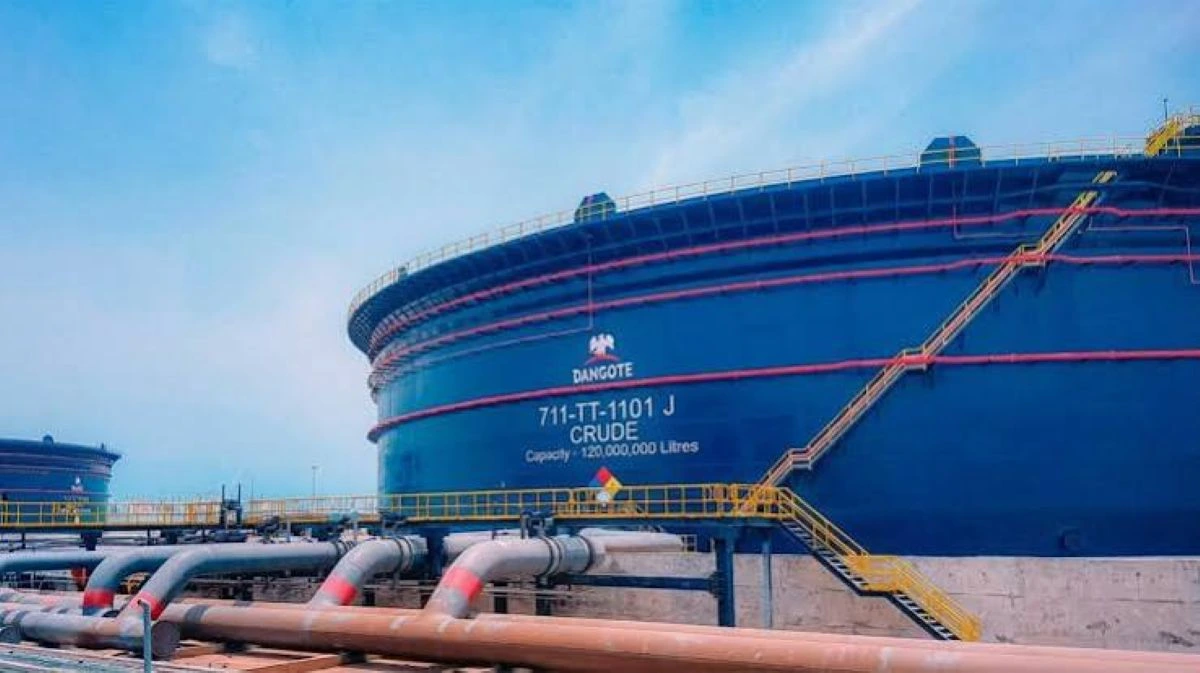
The Dangote Petroleum Refinery and Petrochemicals may restrict the supply of Premium Motor Spirit (PMS) to major oil marketers that continue to import petrol into Nigeria, amid concerns over product quality, blending and market transparency. A source familiar with the refinery’s position said the proposed measure could take effect as early as this week, subject
The Dangote Petroleum Refinery and Petrochemicals may restrict the supply of Premium Motor Spirit (PMS) to major oil marketers that continue to import petrol into Nigeria, amid concerns over product quality, blending and market transparency.
A source familiar with the refinery’s position said the proposed measure could take effect as early as this week, subject to further consultations and possible last-minute intervention.
FG Targets 20,000 Medical Students Annually, Plans Simulation Centres Across Nigeria
 blob:https://www.image2url.com/6b1201f1-93ee-44f9-bbeb-45816585e575
The development comes as Nigeria’s downstream petroleum sector undergoes a major transition from dependence on imported fuel to increased reliance on locally refined petroleum products. The refinery is reportedly concerned that some marketers may be blending imported petrol with products purchased from Dangote Refinery before distributing the mixture to consumers.
“It is difficult to understand why we would invest heavily in producing high-quality petroleum products for Nigerians, only for those products to be mixed with imported products of uncertain quality and the resulting product to be associated with the refinery,” the source said.
Dangote Raises Quality Concerns
The refinery has also expressed concerns about the regulatory framework for testing and certifying imported petroleum products, including what it described as inadequate laboratory and quality-control infrastructure.
According to the source, the inability to independently verify the specifications of imported petrol could make it difficult to determine whether products circulating in the market meet required standards.
Dangote is particularly concerned that blending its products with imported fuel of uncertain quality could affect the integrity and reputation of petrol sold under the Dangote brand.
The refinery’s proposed restriction would therefore represent a significant escalation in the ongoing tensions between domestic refiners and petroleum marketers that continue to import PMS.
Nigeria’s Refining Sector Undergoing Major Shift
The development comes as the 700,000-barrel-per-day Dangote Refinery continues to expand its role as a major supplier of refined petroleum products to Nigeria and international markets.
The refinery has increasingly positioned itself as a key driver of Nigeria’s transition from fuel-import dependence to domestic refining.
Nigeria’s seaborne petroleum product shipments reportedly averaged 561,000 barrels per day in the second quarter of 2026, compared with an annual average of 79,000 barrels per day in 2023.
The refinery has also strengthened its position in the international aviation fuel market, with its jet fuel exports gaining significant ground in Europe and other markets.
Previous Dispute Over Fuel Blending
Dangote Refinery had previously raised concerns about the alleged blending of petroleum products in Nigeria.
In November 2024, the company criticised an unnamed international trading firm for allegedly using a nearby depot to blend what it described as substandard petroleum products and compete with locally refined products.
Dangote Group’s Group Chief Branding and Communications Officer, Anthony Chiejina, argued at the time that such practices could undermine investment in domestic refining and called for stronger regulatory measures to protect local refiners.
The latest development could further intensify the debate over fuel imports, product quality, competition and regulatory oversight as Nigeria seeks to maximise the benefits of its expanding domestic refining capacity.






















Leave a Comment
Your email address will not be published. Required fields are marked with *