
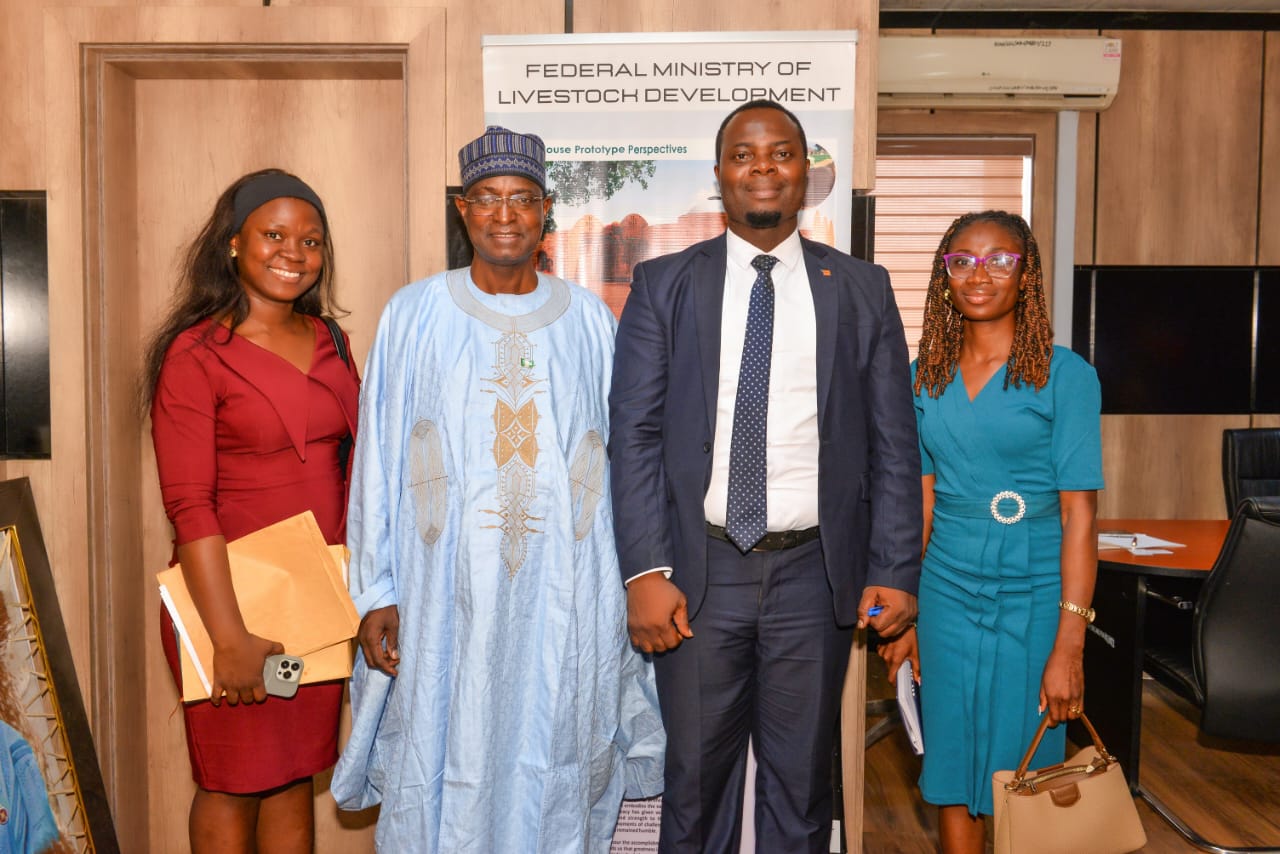
The Federal Government has announced plans to generate about 7,000 direct jobs through a newly designed estate-based ranching programme aimed at transforming Nigeria’s livestock sector, improving productivity, and expanding rural economic opportunities across the country. According to a statement issued by the Federal Ministry of Livestock Development, the initiative is part of a broader strategy
The Federal Government has announced plans to generate about 7,000 direct jobs through a newly designed estate-based ranching programme aimed at transforming Nigeria’s livestock sector, improving productivity, and expanding rural economic opportunities across the country.
According to a statement issued by the Federal Ministry of Livestock Development, the initiative is part of a broader strategy to modernise livestock production systems while creating sustainable employment opportunities for youths and women in both rural and semi-urban communities.
The programme will focus on structured ranch estates where participants will be trained and engaged in livestock operations, including dairy production, meat processing, feed development, and leather value chain activities. Officials say the model is designed to address long-standing challenges in Nigeria’s livestock industry, such as low productivity, insecurity around open grazing, and inefficient production systems.
 blob:https://www.image2url.com/6b1201f1-93ee-44f9-bbeb-45816585e575
Minister of Livestock Development, Idi Maiha, explained that the initiative aligns with government efforts to unlock the full economic potential of the sector, particularly in areas like dairy farming, red meat production, and leather manufacturing. He noted that the estates would serve as hubs for innovation, skills development, and commercial livestock activities.
The government also emphasised that the programme would not only create employment but also contribute significantly to food security and industrial growth. By integrating modern ranching systems, the initiative is expected to reduce conflicts linked to traditional grazing practices while improving output quality and supply consistency.
A senior official of the ministry highlighted that the estate-based ranching model would be supported with innovative financing structures tailored to livestock production cycles. This is particularly important for dairy farmers, whose returns often take longer to materialise compared to other agricultural ventures.
The statement further revealed that the dairy sub-sector alone holds the potential to generate billions of dollars in economic value if properly harnessed. To achieve this, the government is calling for stronger collaboration between public institutions, financial organisations, and private investors.
Appeal Court Nullifies Recognition Of PDP Factional Caretaker Committee
The F initiative represents the Federal Government’s comprehensive push to restructure livestock production through the establishment of organised ranching estates nationwide. Under this framework, each estate is expected to function as a fully integrated livestock hub, combining production, processing, and distribution activities.
In addition to job creation, the government plans to develop modern abattoirs in selected states and the Federal Capital Territory. These facilities are expected to process at least 1,000 cattle daily, improving hygiene standards, reducing waste, and strengthening the livestock value chain.
The ministry also disclosed plans to expand feed and fodder development across the country to improve animal nutrition and boost productivity. By cultivating pasture and feed resources closer to production centres, the government hopes to reduce transportation costs and enhance efficiency in livestock operations.
Officials from financial institutions, including representatives from Access Bank, have expressed interest in supporting the initiative. The bank noted its readiness to collaborate with the ministry in unlocking investment opportunities within the livestock sector and supporting agribusiness development.
Experts say the ranching estates programme could mark a significant shift in Nigeria’s agricultural policy if effectively implemented. However, they also stress the importance of proper execution, community engagement, and long-term sustainability planning to ensure the success of the project.
With rising unemployment and increasing demand for food production systems, the Federal Government believes the ranching estates initiative could become a key driver of rural transformation and economic diversification in the coming years.






















Leave a Comment
Your email address will not be published. Required fields are marked with *