
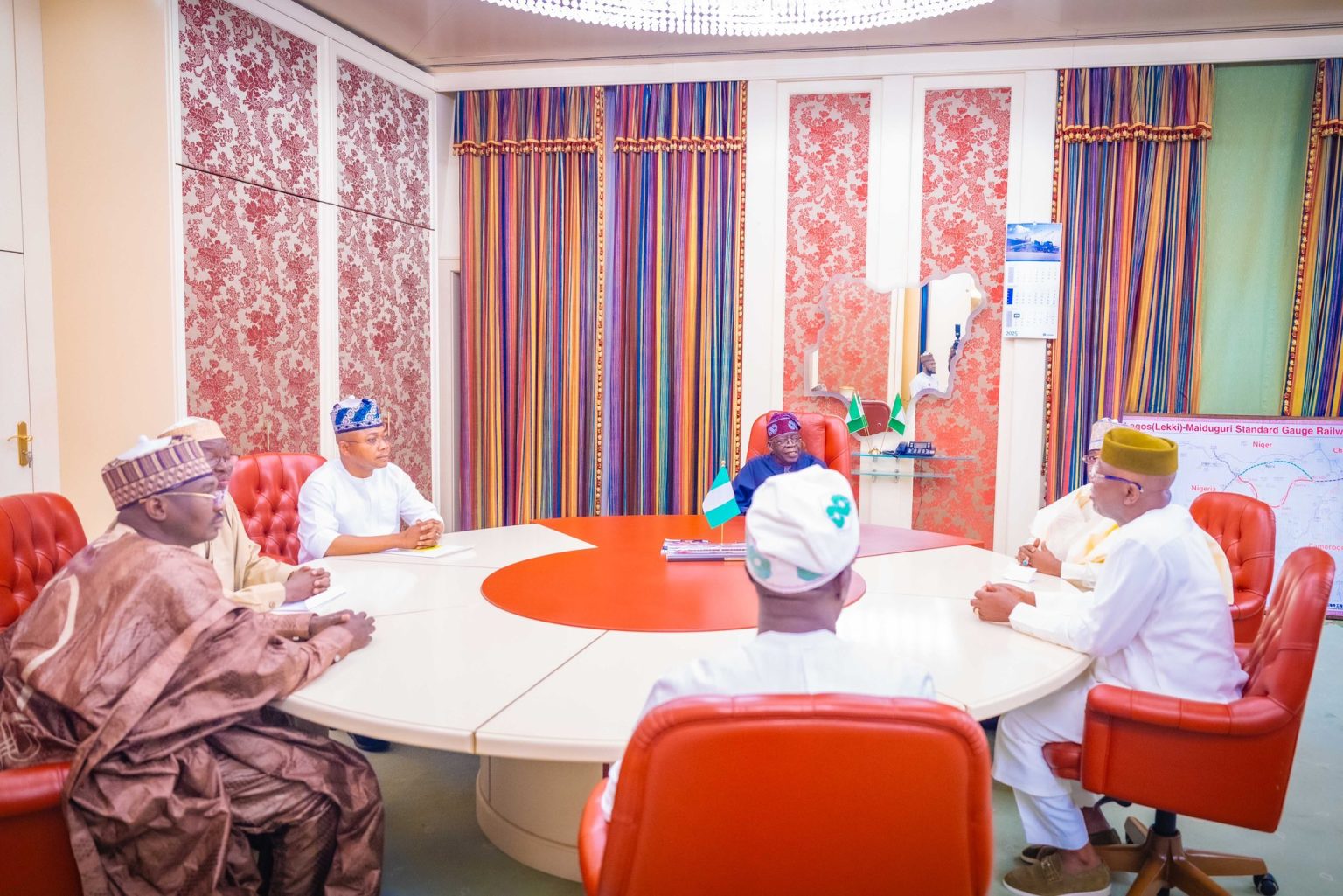
Nigeria’s ruling party, the All Progressives Congress (APC), is confronting a growing internal crisis as governors and federal lawmakers clash over the controversial proposal for automatic tickets ahead of the 2027 general elections. The debate has exposed deep divisions within the party, raising concerns about unity and strategic direction as preparations gradually begin for
Nigeria’s ruling party, the All Progressives Congress (APC), is confronting a growing internal crisis as governors and federal lawmakers clash over the controversial proposal for automatic tickets ahead of the 2027 general elections. The debate has exposed deep divisions within the party, raising concerns about unity and strategic direction as preparations gradually begin for the next electoral cycle.
At the center of the dispute is a push by members of the National Assembly to secure guaranteed return tickets, a move they argue would ensure legislative stability and continuity. However, this proposal has been met with resistance from some state governors, many of whom are reportedly eyeing the same positions or seeking to influence candidate selection in their states.
 blob:https://www.image2url.com/6b1201f1-93ee-44f9-bbeb-45816585e575
The tension underscores a broader power struggle within the APC, as different blocs within the party attempt to assert control over its future political structure. While lawmakers emphasize continuity, governors appear more focused on consolidating political influence at both state and federal levels.
INEC Updates ADC’s Information On Own Website Following Appeal Court Judgement
The controversy gained prominence during the party’s convention held at Eagle Square in Abuja, where the Speaker of the House of Representatives, Tajudeen Abbas, publicly advocated for automatic tickets for serving lawmakers. He argued that shielding legislators from internal party contests would allow them to focus on governance and sustain ongoing reforms.
According to Abbas, the National Assembly has played a vital role in advancing key policies tied to the administration of President Bola Tinubu. He stressed that continuity in the legislature is essential for maintaining momentum in economic and electoral reforms under the Renewed Hope agenda.
Echoing this position, Senate President Godswill Akpabio also expressed support for the automatic ticket proposal. Proponents believe that such a system would reduce political distractions and enhance effective governance during a period of significant national transformation.
Despite these arguments, opposition within the party remains strong. Governors, particularly those nearing the end of their tenure, are reportedly pushing back against the proposal. Many are said to be seeking senatorial seats, bringing them into direct competition with incumbent lawmakers.
The situation has created a complex dilemma for the APC leadership. Balancing the interests of serving legislators, ambitious governors, and newly defected members has proven to be a delicate task. Party insiders reveal that multiple high-level meetings have been held in an attempt to manage the escalating tensions.
A recent closed-door meeting involving over 200 House of Representatives members and top party officials, including National Chairman Nentawe Yilwatda and National Secretary Ajibola Basiru, reportedly lasted several hours. However, no final resolution was reached, highlighting the complexity of the issue.
Adding another layer to the conflict are reports of a possible informal arrangement that could see governors control State Assembly nominations, while the presidency influences federal legislative selections. Though unconfirmed, such claims have further fueled suspicion and anxiety within party ranks.
Lawmakers, in particular, are increasingly concerned about efforts by some governors to block their re-election bids. Allegations suggest that political grievances and personal rivalries are driving attempts to unseat incumbents or replace them with preferred candidates.
As the situation unfolds, the APC leadership is said to be awaiting guidance from President Tinubu before taking a definitive stance. His decision is expected to play a crucial role in shaping the party’s approach and potentially diffusing the growing crisis.
With the 2027 elections still some time away, the current dispute serves as an early indicator of the intense political maneuvering already underway. The outcome of this internal struggle could significantly impact the APC’s cohesion, electoral prospects, and overall stability in the years ahead.

















Leave a Comment
Your email address will not be published. Required fields are marked with *