
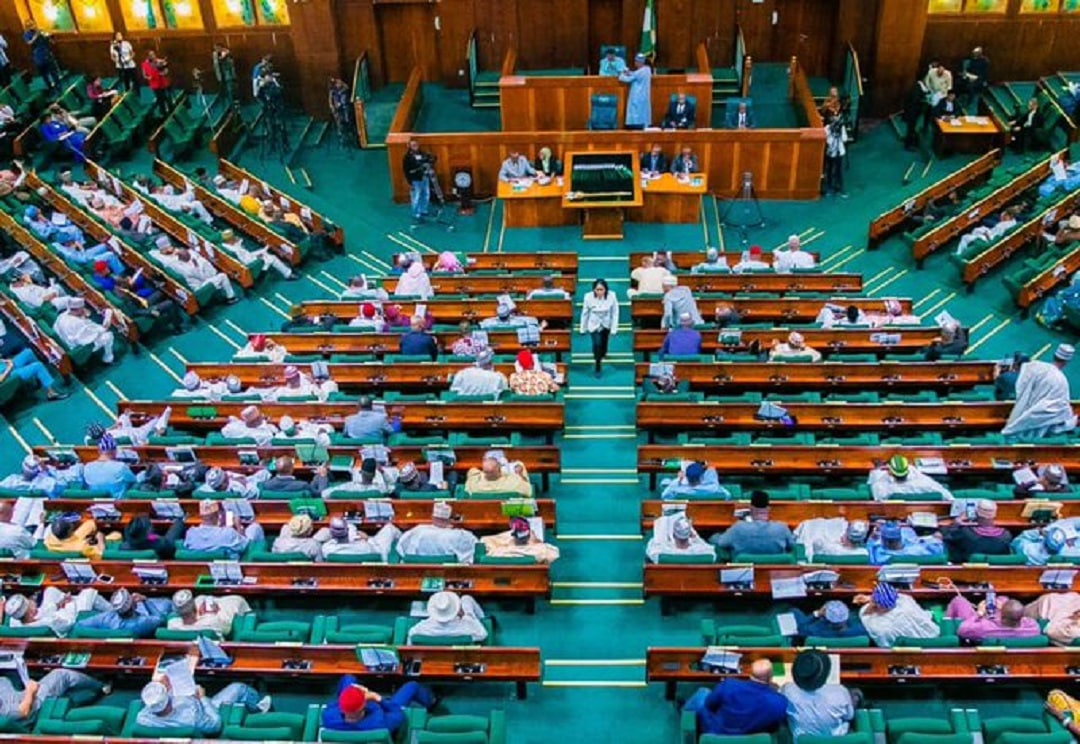
House of Representatives Silent on Rivers State Emergency Declaration The House of Representatives, the lower chamber of Nigeria’s National Assembly, concluded its plenary session on Wednesday without addressing the recently declared state of emergency in Rivers State. This omission has sparked speculation and debate, as many expected lawmakers to deliberate on the federal government’s drastic
House of Representatives Silent on Rivers State Emergency Declaration
The House of Representatives, the lower chamber of Nigeria’s National Assembly, concluded its plenary session on Wednesday without addressing the recently declared state of emergency in Rivers State. This omission has sparked speculation and debate, as many expected lawmakers to deliberate on the federal government’s drastic intervention in the ongoing political crisis.
Tinubu Meets Rivers Sole Administrator Amid Political Crisis
Political Crisis in Rivers State Escalates
President Bola Tinubu’s decision to impose emergency rule in Rivers State came after suspending Governor Siminalayi Fubara, his deputy, and all members of the state’s House of Assembly. The move followed months of political unrest in the oil-rich South-South state, where tensions between Governor Fubara and former Governor Nyesom Wike have fueled a deepening crisis.
 blob:https://www.image2url.com/6b1201f1-93ee-44f9-bbeb-45816585e575
Despite the significant implications of this development, lawmakers in the green chamber proceeded with their agenda without discussing the emergency rule. This unexpected silence raises questions about the position of the legislative arm on the president’s decision.
Before the session commenced, tensions were already evident within the House, as two female lawmakers, Representatives Blessing Amadi from Rivers State and Marie Ebikake, engaged in a heated exchange over the emergency rule declaration. The confrontation drew attention but did not lead to a formal discussion on the House floor.
Lawmakers Focus on Cash Transfer Program Instead
Instead of addressing the Rivers State crisis, the House of Representatives shifted its focus to an investigation into the Federal Government’s conditional cash transfer program. The initiative, which was designed to provide financial aid to vulnerable Nigerians, has faced issues of delayed payments and lack of transparency.
Honourable Abass Adigun, who introduced the motion, highlighted concerns about the program’s effectiveness. He pointed out that selected beneficiaries were informed they would receive ₦50,000 each for three months to cushion economic hardship. However, reports indicate that some nominees have not received any payments, while others faced significant delays despite submitting their details through the designated portal.
The National Cash Transfer Office has reportedly failed to provide updates on the status of these payments, raising concerns about the implementation and management of the initiative. The House has now decided to investigate the matter, seeking accountability from the agencies responsible for executing the program.
Silence on Rivers State Sparks Reactions
The decision by the House to avoid discussing the emergency rule in Rivers State has drawn mixed reactions. Some political observers argue that the lawmakers may be waiting for further directives or consultations before taking a stand on the issue. Others believe the silence could indicate internal divisions within the House regarding the president’s decision.
Given the gravity of the situation in Rivers State, many Nigerians expected the House of Representatives to debate the matter extensively. The political future of the state remains uncertain, and the role of the National Assembly in resolving the crisis is still unclear.
As events continue to unfold, all eyes remain on the federal government’s next steps and whether the legislature will eventually weigh in on the controversial emergency rule declaration.





















Leave a Comment
Your email address will not be published. Required fields are marked with *