
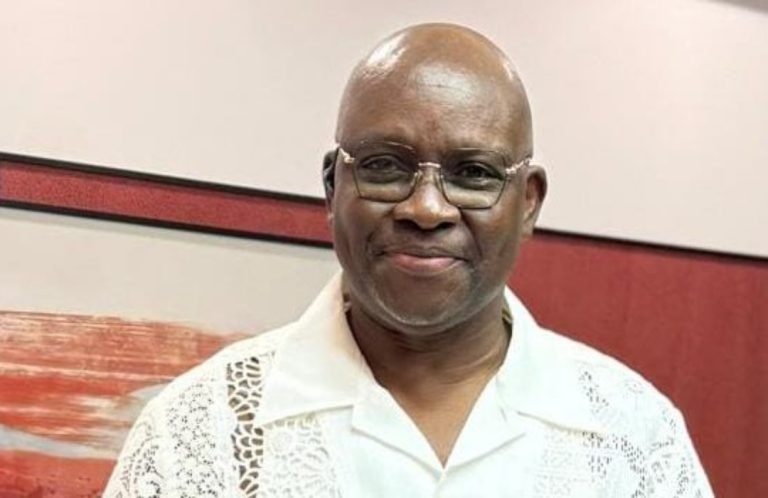
The Mogaji of Akinsola Family Compound in Ibadan, Oyo State, Olawale Oladoja, has strongly criticized former Ekiti State Governor, Ayodele Fayose, over comments he recently made concerning Oyo State Governor Seyi Makinde. In a statement issued in Ibadan on Tuesday, Oladoja described Fayose’s remarks as unfortunate and indicative of what he termed an “irredeemable delusional
The Mogaji of Akinsola Family Compound in Ibadan, Oyo State, Olawale Oladoja, has strongly criticized former Ekiti State Governor, Ayodele Fayose, over comments he recently made concerning Oyo State Governor Seyi Makinde.
In a statement issued in Ibadan on Tuesday, Oladoja described Fayose’s remarks as unfortunate and indicative of what he termed an “irredeemable delusional disposition.” He argued that the former governor’s criticism of Makinde was misplaced, particularly given the Oyo governor’s role in transforming Ibadan through infrastructure and urban development projects.
The traditional family head expressed disappointment that Fayose, who has frequently identified with Ibadan and often spoken about his connection to the city, would choose to publicly attack one of its most prominent political figures.
 blob:https://www.image2url.com/6b1201f1-93ee-44f9-bbeb-45816585e575
United States Sends Warning To Nigerian Travellers
According to Oladoja, Governor Makinde has played a significant role in modernizing Ibadan and positioning the city for greater economic and social growth. He maintained that residents of the ancient city take pride in the governor’s efforts and would not remain silent when such achievements are unfairly criticized.
“Fayose claims he was born in Ibadan and that he loves Ibadan, but, sadly, he appears to hate his place of birth so much that he is attacking the pride of Ibadan, which is transforming the city into a modern metropolis,” Oladoja stated.
I: Ibadan Leaders Defend Traditional Institution
Beyond the criticism of Governor Makinde, the Mogaji also expressed concern over what he perceived as attempts to involve the Olubadan of Ibadanland in political controversies.
He cautioned Fayose against dragging the revered traditional ruler into partisan disputes, stressing that the Olubadan occupies a respected position above political affiliations and should not be drawn into political battles.
Oladoja emphasized that the monarch is regarded as a father figure to all residents and stakeholders in Ibadan, regardless of political leanings. As such, he said, any effort to associate the traditional institution with political disagreements would be strongly resisted.
“I want to caution Governor Fayose from dragging our highly revered Olubadan into his dirty politics. Kabiyesi is a father to all, and we will not allow anyone to disparage our royal father for political reasons,” he said.
The Mogaji further argued that political actors must demonstrate greater respect for traditional institutions, which play vital roles in preserving culture, unity, and social harmony.
He noted that monarchs should remain symbols of peace and neutrality, warning that attempts to politicize their offices could undermine the dignity and respect attached to traditional leadership.
Oladoja also took a swipe at Fayose by suggesting that the former governor had not consistently shown adequate regard for traditional institutions in his own state, making his involvement in matters concerning the Olubadan particularly inappropriate.
“It is unacceptable for anyone who has shown little regard for traditional institutions in his own state to attempt to bring our respected monarch into needless political controversy,” he added.
The community leader concluded by urging politicians to exercise restraint in their public comments and actions, especially when traditional rulers are involved. He reaffirmed that the people of Ibadan would continue to defend the integrity, dignity, and revered status of the Olubadan stool against any perceived attempt to drag it into partisan political disputes.
His remarks add a new dimension to the growing political exchanges involving prominent figures in the South-West, highlighting the sensitive relationship between politics and traditional institutions in the region.














Leave a Comment
Your email address will not be published. Required fields are marked with *