
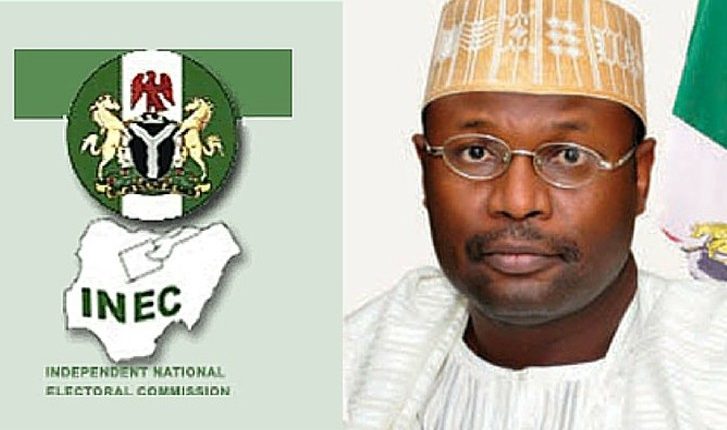
INEC Begins Planning for 2027 Elections with New Strategic Framework Election Project Plan to Address Logistical and Technical Challenges As Nigeria gears up for the 2027 general elections, the Independent National Electoral Commission (INEC) has commenced preparations by formulating a new Election Project Plan (EPP). The updated framework is designed to incorporate lessons learned from
INEC Begins Planning for 2027 Elections with New Strategic Framework
Election Project Plan to Address Logistical and Technical Challenges
As Nigeria gears up for the 2027 general elections, the Independent National Electoral Commission (INEC) has commenced preparations by formulating a new Election Project Plan (EPP). The updated framework is designed to incorporate lessons learned from the 2023 elections to enhance efficiency, credibility, and transparency in future electoral processes.
A senior INEC official, speaking to Saturday PUNCH, confirmed that the commission is developing a 2027-2031 Strategic Plan to replace the existing 2022-2026 framework, which expires in December 2026. The official noted that a critical document is being prepared to bridge the transition period between the current framework and the 2027 elections.
“This document will provide the foundation for the 2027 EPP, ensuring continuity and a seamless transition into the next election cycle,” the source stated.
 blob:https://www.image2url.com/6b1201f1-93ee-44f9-bbeb-45816585e575
PDP Crisis Deepens As Lagos Deputy Chairman Accuses Jandor Of Party Division
INEC Refines Electoral Strategy for 2027
The Election Project Plan (EPP) was first introduced for the 2015 general elections and has been utilized in subsequent elections, including those held in 2019 and 2023. However, following challenges encountered in 2023, INEC is revising its approach to improve logistics, technical operations, and result management in 2027.
“We are updating our election templates to improve efficiency and reliability. The lessons from 2023 are shaping our approach to 2027,” the INEC official explained.
The 2023 elections involved 93,469,008 registered voters across 176,846 polling units, requiring a vast logistical operation. Over 1.5 million electoral personnel, including polling staff, supervisors, and security officials, were deployed, alongside 182,491 vehicles transporting election materials across the country’s diverse landscapes.
Despite these extensive preparations, INEC faced logistical and technical setbacks, particularly with the upload of presidential election results to the INEC Result Viewing (IReV) portal. While National Assembly election results were successfully uploaded, the presidential results were delayed due to a configuration error, which disrupted the mapping of the results on a national level.
Enhancing Technology and Logistics for Future Elections
A post-election review identified the issues that affected the 2023 elections, prompting INEC to fine-tune its technological infrastructure. The commission later resolved the technical glitches through software updates, enabling the upload of the first presidential election result sheet later on election day.
The 2027 EPP aims to build on these improvements by ensuring:
- Better logistical planning to prevent transportation delays and operational inefficiencies.
- Enhanced training for electoral officers to boost capacity and professionalism.
- Improved result transmission technology to ensure real-time and transparent updates.
- Stronger coordination with security agencies to enhance voter safety and election credibility.
As INEC continues refining its electoral processes, the commission has reiterated its commitment to conducting free, fair, and credible elections in 2027. Nigerians can expect a more efficient system that addresses past challenges and strengthens the country’s democratic process.

















Leave a Comment
Your email address will not be published. Required fields are marked with *