
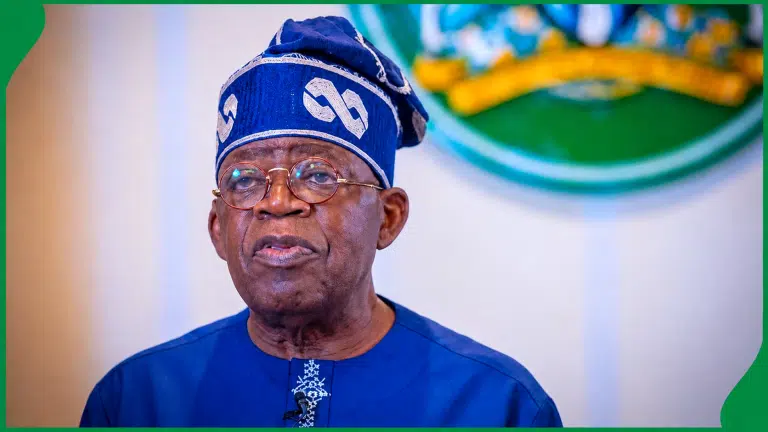
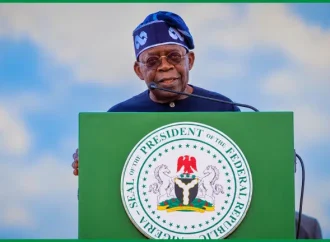
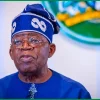
President Bola Ahmed Tinubu has said reducing the cost of living remains the central focus of his administration, promising to lower the cost of producing and transporting goods and services across Nigeria. Tinubu stated this in his Independence Day address to Nigerians on Thursday, October 1, 2026, as the country marked its 66th anniversary of
President Bola Ahmed Tinubu has said reducing the cost of living remains the central focus of his administration, promising to lower the cost of producing and transporting goods and services across Nigeria.
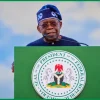
Tinubu stated this in his Independence Day address to Nigerians on Thursday, October 1, 2026, as the country marked its 66th anniversary of independence.
Full Text Of Tinubu’s Independence Day National Address
 blob:https://www.image2url.com/6b1201f1-93ee-44f9-bbeb-45816585e575
The President said the government would focus on reducing the expenses faced by farmers, manufacturers, transport operators and other businesses, arguing that lower production and transportation costs would eventually translate into lower prices for consumers.
According to Tinubu, the government’s approach includes greater investment in mechanised irrigation, dry-season farming, improved access to seeds and fertiliser, storage facilities and agricultural infrastructure.
He also listed investments in roads, railways and ports as part of efforts to improve the movement of goods from farms and factories to markets.
Tinubu Highlights Economic Indicators
The President also defended the economic reforms introduced by his administration, saying Nigeria had recorded improvements in key economic indicators.
Tinubu cited economic growth of more than four per cent in 2026, reduced oil theft, lower inflation from its previous peak and increased stability in the foreign exchange market.
He also said Nigeria recorded more than $6 billion in non-oil exports in 2025, which he described as a significant milestone for the economy.
The President said the private sector had responded positively to the reforms and that foreign direct investment was increasing.
However, he acknowledged that economic growth must translate into better living conditions for ordinary Nigerians, particularly amid continued pressure from food, transportation, education and healthcare costs.
Government Plans More Social Support
Tinubu said his administration would also strengthen social intervention programmes to provide support for vulnerable Nigerians.
He mentioned efforts to improve the National Social Register to ensure that social assistance reaches intended beneficiaries.
The President also highlighted the Nigerian Education Loan Fund (NELFUND), which provides loans to eligible students, as well as CREDICORP, which provides consumer credit for Nigerians seeking to acquire assets such as vehicles, solar equipment and digital devices.
He said the government would continue working with state and local governments to improve primary healthcare and basic education.
Jobs and Industrial Growth
Tinubu said job creation, enterprise development and industrial growth would remain important components of the government’s economic agenda.
He said Nigeria would leverage its gas resources to support industrial development and encourage businesses to revive factories and expand production.
The President also identified digital connectivity, skills development, infrastructure and access to finance as areas requiring continued government attention.
He said the ultimate objective was to ensure that economic reforms produce tangible improvements in the lives of Nigerians rather than remain reflected only in economic statistics.










Leave a Comment
Your email address will not be published. Required fields are marked with *