
Nigeria’s Lassa Fever Death Toll Hits 155 as Confirmed Cases Reach 822 LAGOS – Nigeria is grappling with an escalating health emergency as the Nigeria Centre for Disease Control and Prevention (NCDC) confirmed 822 cases of Lassa fever and 155 deaths so far in 2025. The latest figures were released on Tuesday, following the detection
Nigeria’s Lassa Fever Death Toll Hits 155 as Confirmed Cases Reach 822
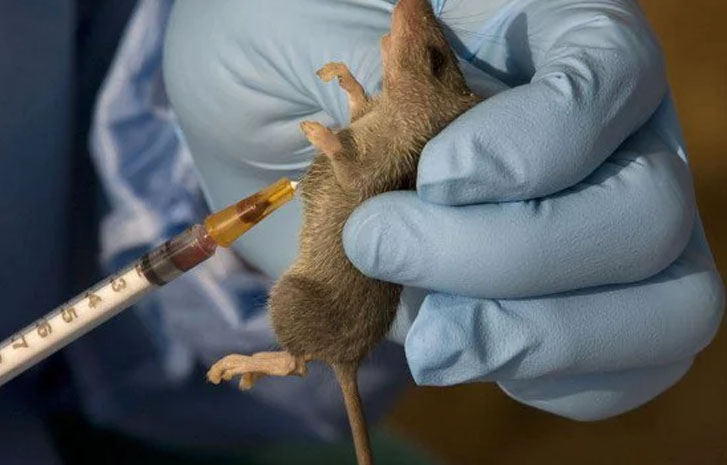
LAGOS – Nigeria is grappling with an escalating health emergency as the Nigeria Centre for Disease Control and Prevention (NCDC) confirmed 822 cases of Lassa fever and 155 deaths so far in 2025. The latest figures were released on Tuesday, following the detection of 11 additional cases in Epidemiological Week 29 (July 14–20, 2025). All newly confirmed infections were reported in Ondo and Edo states, which remain epicenters of the outbreak.
The data underscores the growing severity of the disease, with health officials warning that the crisis requires urgent, well-coordinated interventions at federal, state, and community levels.
 blob:https://www.image2url.com/6b1201f1-93ee-44f9-bbeb-45816585e575
Governor Adeleke Travels To U.S. For Davido’s Wedding Amid Political Criticism In Osun
Fatality Rate Rises Despite Stable Infection Numbers
NCDC’s Situation Report paints a worrying picture: the Case Fatality Rate (CFR) now stands at 18.9 percent, up from 17.1 percent at this point in 2024. This rise suggests that while the number of confirmed cases has remained relatively stable in recent weeks, the lethality of the disease appears to be increasing.
Health experts describe this trend as particularly troubling because a steady infection rate combined with higher mortality indicates gaps in case management, early detection, and access to treatment facilities.
“This pattern tells us that beyond preventing infections, we must focus on improving survival rates by ensuring quick diagnosis and effective treatment,” one public health analyst in Lagos noted.
Five States Bear the Brunt of the Outbreak
The latest statistics reveal that 89 percent of all confirmed cases this year are concentrated in just five states:
- Ondo – 32 percent
- Bauchi – 23 percent
- Edo – 17 percent
- Taraba – 14 percent
- Ebonyi – 3 percent
The remaining 11 percent of cases are scattered across 16 states, bringing the total number of affected states to 21. At least 105 local government areas have reported at least one confirmed infection, highlighting a widespread geographic reach that continues to resist containment efforts.
Young Adults Most Affected
According to NCDC’s analysis, young adults aged 21 to 30 years are the most affected demographic, with cases recorded in patients ranging from 1 to 96 years old. The median age is 30, and the male-to-female ratio among confirmed cases is 1:0.8.
These figures point to a demographic group that represents a significant portion of Nigeria’s workforce and economic engine, meaning the outbreak’s impact extends beyond public health and into national productivity.
Decline in Suspected Cases but Persistent Death Toll
Interestingly, the total number of suspected and confirmed Lassa fever cases reported so far in 2025 is slightly lower than in 2024. There have also been no new infections among healthcare workers this year, which health officials attribute to stronger infection prevention protocols in medical facilities.
However, despite these improvements, the persistently high fatality rate remains a stark reminder of the gaps in containment and clinical management. Many patients continue to present late to hospitals, reducing their chances of survival even when treatment is available.
Response Efforts Intensify
The National Lassa Fever Multi-Partner, Multi-Sectoral Technical Working Group (TWG) remains at the forefront of the national response, coordinating:
- Enhanced surveillance systems to detect cases early
- Laboratory capacity upgrades to confirm infections faster
- Risk communication campaigns to educate communities about prevention measures
- Logistics for distribution of Ribavirin, the primary antiviral drug used in treatment
Despite these efforts, the clustering of cases in a handful of states highlights the urgent need for aggressive community-level engagement. Public health experts recommend intensified environmental sanitation campaigns, rodent control programs, and rapid case-finding initiatives to slow the disease’s spread.
Coordinated Action
The continued concentration of infections in Ondo, Edo, Bauchi, Taraba, and Ebonyi states demonstrates the importance of state-level ownership of intervention strategies. Local governments must strengthen health infrastructure and improve public awareness about early symptoms such as fever, headache, and bleeding, which often mimic other illnesses.
Medical professionals stress that prompt hospital visits, early testing, and isolation of confirmed patients are crucial to preventing further deaths.
Containing a National Threat
As Lassa fever cases mount, the country faces a dual challenge: reducing mortality among those already infected and preventing further transmission. With 822 confirmed cases and 155 deaths recorded so far, Nigeria’s experience this year serves as a wake-up call about the fragility of epidemic preparedness and response systems.
If immediate, targeted actions are not taken, the rising fatality rate could worsen, turning this outbreak into one of the deadliest in recent years.






















Leave a Comment
Your email address will not be published. Required fields are marked with *