

Eligible voters in Osun State will go to the polls on August 15, 2026, to elect a governor for the next four years, with the Independent National Electoral Commission (INEC) clearing 14 candidates for the contest. Incumbent Governor Ademola Adeleke is seeking a second term on the platform of the Accord Party after defecting from
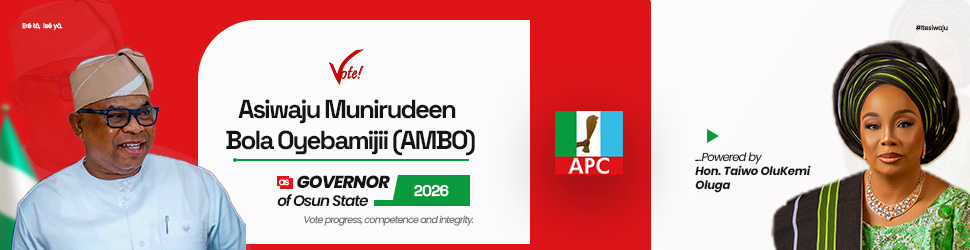
Eligible voters in Osun State will go to the polls on August 15, 2026, to elect a governor for the next four years, with the Independent National Electoral Commission (INEC) clearing 14 candidates for the contest. Incumbent Governor Ademola Adeleke is seeking a second term on the platform of the Accord Party after defecting from the Peoples Democratic Party (PDP), while the PDP and Labour Party (LP) will not field candidates. The election is expected to be dominated by a three-way contest involving Adeleke, APC candidate Asiwaju Munirudeen Bola Oyebamiji (AMBO) and the African Democratic Congress (ADC) candidate Dr. Najeem Salaam.
Osun: ‘It’s Owner Has Called It To Order’ – Sowore Fires Tinubu, EFCC
Political observers say Adeleke’s defection has significantly reshaped Osun’s political landscape, ending the traditional PDP-APC rivalry and introducing a more competitive race. All three leading candidates hail from the Osun West Senatorial District—Adeleke from Ede North, Oyebamiji from Irewole and Salaam from Ejigbo—making party structure, grassroots mobilisation and incumbency more decisive than regional zoning. Other candidates in the race include those from the AA, AAC, ADP, APGA, PRP, YPP, ZLP, APM, APP, Boot Party and NNPP.
 blob:https://www.image2url.com/6b1201f1-93ee-44f9-bbeb-45816585e575
INEC statistics show that while voter registration has steadily increased—from 1.41 million in 2014 to 1.95 million in 2022—voter turnout has continued to decline, falling from 54.17 per cent in 2014 to 42.37 per cent in 2022. Political analyst Jimoh Eruobami attributed the trend to voter apathy, insecurity and declining public confidence in the electoral process. Under Nigeria’s Constitution, the eventual winner must not only secure the highest number of valid votes but also obtain at least 25 per cent of votes in no fewer than 20 of Osun’s 30 local government areas, making statewide support crucial. INEC says it has intensified voter education campaigns and grassroots sensitisation ahead of the poll, while security agencies have also stepped up preparations to ensure a peaceful and credible election.





















Leave a Comment
Your email address will not be published. Required fields are marked with *