
Oyebanji Reappoints Olatunbosun As Ekiti Information Commissioner, Shaibu Sues Edo Government Ekiti State Governor Biodun Oyebanji has reinstated Mr. Taiwo Olatunbosun as Commissioner for Information, barely a week after dissolving the state’s executive council. The move underscores Oyebanji’s strategy of blending continuity with renewal in governance as he continues to shape his administration. The
Oyebanji Reappoints Olatunbosun As Ekiti Information Commissioner, Shaibu Sues Edo Government

Ekiti State Governor Biodun Oyebanji has reinstated Mr. Taiwo Olatunbosun as Commissioner for Information, barely a week after dissolving the state’s executive council. The move underscores Oyebanji’s strategy of blending continuity with renewal in governance as he continues to shape his administration.
 blob:https://www.image2url.com/6b1201f1-93ee-44f9-bbeb-45816585e575
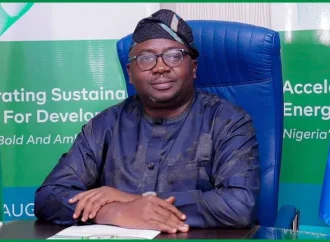
The reappointment was officially announced in Ado-Ekiti on Tuesday through a statement signed by the Chief Press Secretary to the governor, Yinka Oyebode. According to the letter from the Secretary to the State Government (SSG), Professor Habaibat Adubiaro, Olatunbosun is expected to resume his duties with immediate effect.
This development follows the governor’s decision on August 11 to dissolve his cabinet, instructing commissioners and special advisers to transfer their responsibilities to permanent secretaries or senior civil servants across various ministries, departments, and agencies (MDAs). The sweeping move was explained as part of the governor’s plan to infuse new energy into governance while remaining steadfast in his commitment to his “shared prosperity” agenda.
Osun’s Commissioner For Youth Affairs: Wading Through Treacle While Osun Youth Turns To Data Boys
Olatunbosun’s Reappointment and Its Political Significance
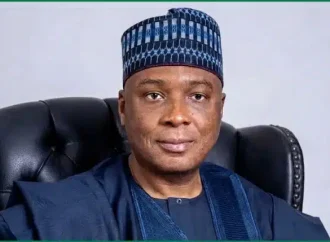
The return of Taiwo Olatunbosun signals the governor’s confidence in his performance and his pivotal role in government communication. Olatunbosun, a seasoned public servant and politician, had previously served with distinction, particularly in ensuring smooth dissemination of government policies and programs to the public.
Observers believe his reinstatement is not just about continuity but also about strengthening the administration’s engagement with citizens at a critical time when transparency and accountability remain top priorities.
Notably, not all commissioners were let go during the cabinet shake-up. Six key figures — including those in charge of Finance, Works, and Human Capital Development — were retained to safeguard stability in strategic sectors. This selective dissolution, analysts suggest, reflects Oyebanji’s cautious approach to balancing reform with governance continuity.
The reappointment of Olatunbosun therefore highlights the governor’s recognition of the importance of effective communication in governance and could be seen as a move to consolidate public trust as Ekiti pursues development goals.
Shaibu’s Legal Battle Over Entitlements
Meanwhile, in Edo State, a major political and legal showdown is unfolding as former Deputy Governor Philip Shaibu, has dragged the former governor, Godwin Obaseki, and the new government led by Governor Monday Okpebholo to court.
Shaibu, who served as deputy governor from 2016 until 2024, is demanding the payment of entitlements and allowances he claims are owed to him, including benefits accrued during his brief tenure as acting governor. Reports indicate that he has filed his case at the National Industrial Court, Abuja, seeking enforcement of payments running into billions of naira.
In his legal suit, Shaibu also demands reimbursement of more than ₦85 million, which he allegedly spent on medical treatment for his wife, Maryann, between 2016 and 2024. According to sources familiar with the matter, the former deputy governor insists that these expenditures were legitimate and should have been covered by the state government.
The lawsuit has stirred public debate, with many questioning whether political rifts between Shaibu and Obaseki may have influenced the non-payment of his entitlements. Their once-strong alliance deteriorated during Obaseki’s second term, culminating in Shaibu’s eventual marginalization within the administration.
Broader Implications for Governance in Ekiti and Edo
The two developments — Oyebanji’s reappointment of Olatunbosun in Ekiti and Shaibu’s lawsuit in Edo — underscore the dynamic interplay of politics, governance, and accountability in Nigeria’s democratic landscape.
In Ekiti, the focus is on strengthening government communication and maintaining a sense of stability while refreshing the administration with new appointees. Oyebanji’s strategy illustrates how governors can balance renewal with experience to sustain governance momentum.
In contrast, the Edo case highlights lingering questions about political loyalty, fairness in governance, and the management of public officials’ entitlements. If the court rules in favor of Shaibu, the decision could set a precedent for how states handle financial obligations to former political officeholders.
Analysts suggest that both cases also reflect the broader struggle across Nigerian states to maintain governance continuity, accountability, and political stability. As Oyebanji works to re-energize his administration in Ekiti, the political tension in Edo reminds the nation that unresolved disputes between past and present leaders often resurface in costly legal battles.
Governor Biodun Oyebanji’s decision to bring back Taiwo Olatunbosun as Commissioner for Information reaffirms his trust in experienced hands while pursuing reforms aimed at advancing Ekiti State’s prosperity agenda. The move demonstrates a careful balancing act between refreshing his cabinet and preserving institutional memory.
At the same time, former Edo Deputy Governor Philip Shaibu’s lawsuit against Godwin Obaseki and the new administration reveals the complexities of political transitions and the importance of fulfilling legal and financial obligations to public officers.
Together, these developments reflect the evolving dynamics of governance in Nigeria — where leadership renewal, accountability, and political disputes remain central to the democratic process.
















Leave a Comment
Your email address will not be published. Required fields are marked with *