
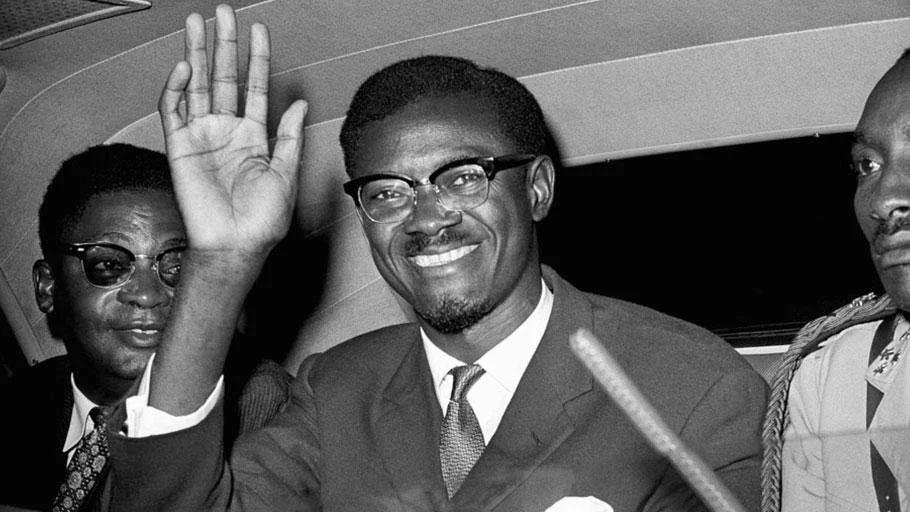
Patrice Émery Lumumba was a central figure in Africa’s anti-colonial struggle and the first Prime Minister of the Democratic Republic of the Congo (DRC) after independence from Belgium in 1960. His short time in power and tragic death made him a lasting symbol of African nationalism, sovereignty, and resistance to foreign exploitation. Gunmen Allegedly Attack
Patrice Émery Lumumba was a central figure in Africa’s anti-colonial struggle and the first Prime Minister of the Democratic Republic of the Congo (DRC) after independence from Belgium in 1960. His short time in power and tragic death made him a lasting symbol of African nationalism, sovereignty, and resistance to foreign exploitation.
Gunmen Allegedly Attack Old Oyo National Park
Early Life and Rise to Politics
Lumumba was born on July 2, 1925, in Kasai, in what was then the Belgian Congo. He was largely self-educated and worked as a postal clerk and journalist. Through reading and political activism, he developed strong views against colonial rule and racial inequality.
In the 1950s, he emerged as a powerful speaker and organizer, founding the Mouvement National Congolais (MNC), a party that demanded immediate independence and national unity—unlike other groups that were divided along ethnic or regional lines.
 blob:https://www.image2url.com/6b1201f1-93ee-44f9-bbeb-45816585e575
 Independence and Prime Ministership
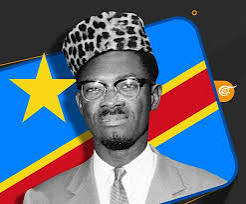
On June 30, 1960, Congo gained independence, and Lumumba became Prime Minister, while Joseph Kasavubu became President.
During the independence ceremony, Lumumba delivered a bold and unscripted speech condemning the abuses of Belgian colonialism. While many Congolese celebrated his courage, Belgium and Western powers viewed his words—and his policies—as a direct threat to their interests.
Conflict Over Congo’s Minerals
Congo was (and remains) extremely rich in minerals such as copper, cobalt, uranium, diamonds, and gold. Lumumba insisted that these resources should benefit the Congolese people, not foreign companies.
When the mineral-rich Katanga Province attempted to secede with Belgian backing, Lumumba sought international help to preserve Congo’s unity. After being rebuffed by the United Nations, he turned to the Soviet Union for assistance—an action that alarmed the United States and its allies during the Cold War.
Overthrow, Arrest, and Death
Amid political chaos, Colonel Joseph Mobutu (later Mobutu Sese Seko), with Western support, seized power in a coup in September 1960. Lumumba was placed under house arrest, later captured, and transferred to Katanga.
On January 17, 1961, Lumumba was executed by a firing squad with the involvement of Katangan authorities and Belgian officials, with the knowledge and backing of Western intelligence interests. To prevent his grave from becoming a symbol of resistance, his body was secretly destroyed.
Legacy
Lumumba’s assassination shocked Africa and the world. Over time, Belgium officially acknowledged moral responsibility for his death, and declassified documents have shown the U.S. and its allies supported efforts to remove him from power.
Today, Patrice Lumumba is remembered as a martyr of African independence, a leader who stood against imperialism and paid the ultimate price for defending his country’s sovereignty and control over its natural wealth.
His name lives on in African history as a reminder of the high cost many leaders paid for trying to place national interest above foreign exploitation.










Leave a Comment
Your email address will not be published. Required fields are marked with *