
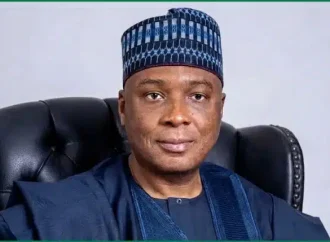
PDP Crisis Deepens as Saraki-Led Panel’s Endorsement of Anyanwu Sparks Internal Backlash The Peoples Democratic Party (PDP) has once again found itself grappling with internal discord following the decision of the reconciliation committee, led by former Senate President Bukola Saraki, to endorse Senator Samuel Anyanwu’s return as the party’s National Secretary. Rather than soothing old
PDP Crisis Deepens as Saraki-Led Panel’s Endorsement of Anyanwu Sparks Internal Backlash
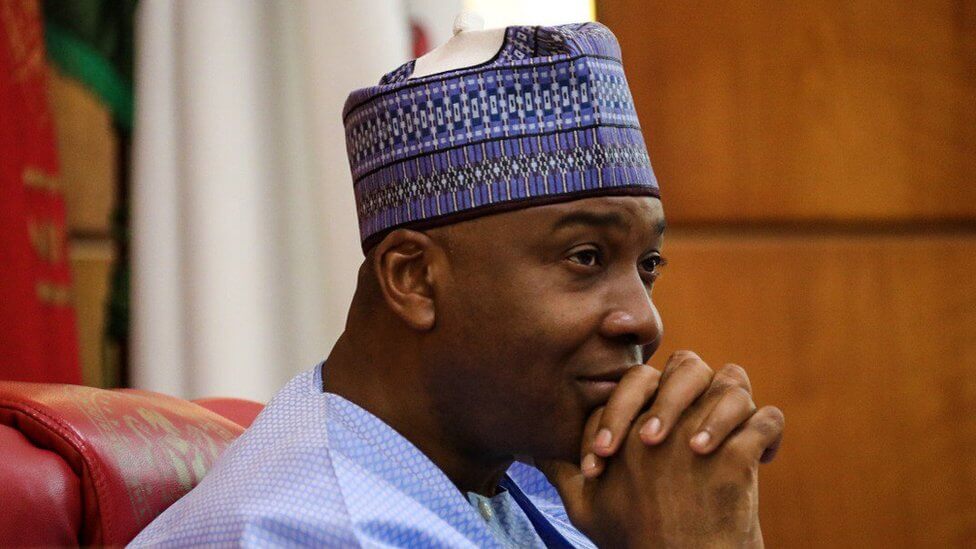
The Peoples Democratic Party (PDP) has once again found itself grappling with internal discord following the decision of the reconciliation committee, led by former Senate President Bukola Saraki, to endorse Senator Samuel Anyanwu’s return as the party’s National Secretary. Rather than soothing old wounds, the move appears to have reopened them, sparking renewed tension among party stakeholders.
According to insiders, the endorsement has upset key organs within the PDP, including the Governors’ Forum, the National Working Committee (NWC), the Board of Trustees (BoT), and regional caucuses, particularly from the South-East, which has consistently advocated for its stake in party leadership to be respected.
 blob:https://www.image2url.com/6b1201f1-93ee-44f9-bbeb-45816585e575
Salah Woos De Bruyne to Anfield as Crystal Palace Stuns Manchester City in FA Cup Final
Sources close to the matter revealed that the decision by Saraki’s panel was made without wide consultation. A senior PDP official who spoke to Punch under anonymity criticized the manner in which the reconciliation process was handled, stating that Saraki convened a meeting with only a select few NWC members and unilaterally endorsed Anyanwu’s return.
“There is renewed agitation over the way Saraki handled the situation,” the source said. “He met with just a few NWC members and decided that Anyanwu should resume office as National Secretary, without consulting the full panel, the entire NWC, or even the governors who assigned him the task.”
This decision reportedly did not sit well with governors such as Seyi Makinde (Oyo), Dauda Lawal (Zamfara), Douye Diri (Bayelsa), and Peter Mbah (Enugu), as well as BoT Chairman Adolphus Wabara. These stakeholders feel slighted and believe the unilateral move undermines their authority and influence in the party.
“It looks like a deliberate attempt to portray the governors as weak and irrelevant. That’s dangerous for party unity,” another insider said.
The bone of contention lies in the governors’ earlier nomination of Setonji Koshoedo as National Secretary—a decision which the NWC approved to maintain peace within the party and reflect the wishes of the South-East caucus, which originally held the position. Koshoedo’s name has already been submitted to the Independent National Electoral Commission (INEC) as the official secretary of the party.
“I am aware that as of Wednesday, Koshoedo’s name was forwarded to INEC; he is the recognised secretary of the party as of today. I am not aware of any other arrangement outside that,” a top PDP chieftain stated.
This move was seen as a stabilizing effort in what has been a tumultuous period for the party. Until Saraki’s intervention, party stakeholders believed that calm had returned, and internal processes were being respected. Now, many within the PDP fear that the Saraki panel’s decision could undo months of damage control and trigger deeper divisions.
Saraki’s intentions may have been to reconcile factions and reintegrate Anyanwu, but critics argue that his method lacked transparency and due process. The reconciliation panel, originally mandated to engage all stakeholders and report back before any decision was made, appears to have overstepped its boundaries, thereby alienating several power blocs.
“Even some NWC members are uncomfortable with the decision. They expected the Saraki-led panel to meet with them before arriving at such a conclusion,” the source added. “What the governors, the BoT chairman, and several NWC members want is peace within the PDP—not to sacrifice unity in favour of a few individuals.”
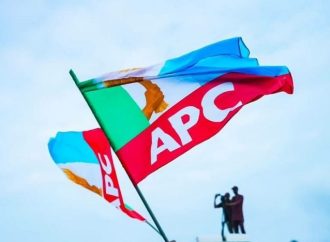
There are growing concerns that this internal friction, if not swiftly addressed, could damage the party’s preparations ahead of future elections, especially with key contests approaching in Edo and Ondo States. A divided PDP, leaders warn, will be vulnerable against the ruling All Progressives Congress (APC), which has been exploiting such fractures for political gain.
This latest controversy highlights a recurring challenge within the PDP: a lack of consensus and communication among its top leadership. While the reconciliation committee’s role is to resolve disputes, its actions have now become a source of renewed conflict.
Political observers believe the party must act quickly to clarify leadership roles, reinforce internal democracy, and uphold processes that prioritize collective decision-making over personal alliances. Stakeholders are now urging the National Executive Committee (NEC) to intervene and offer a final ruling to prevent further erosion of trust.
For now, the PDP appears once again at a crossroads, where the decision to prioritize inclusiveness and consultation could determine whether it rises above this latest storm—or remains mired in the cycles of internal division that have plagued it for years.













Leave a Comment
Your email address will not be published. Required fields are marked with *