
Rare Images of Isolated Amazon Tribe Reveal Growing Threats to Indigenous Communities in Brazil Rare images showing members of an isolated Indigenous community emerging from a remote section of Brazil’s Amazon rainforest have drawn attention to the growing dangers facing uncontacted groups as illegal loggers, hunters and cattle ranchers continue to encroach on their territories.
Rare Images of Isolated Amazon Tribe Reveal Growing Threats to Indigenous Communities in Brazil
Rare images showing members of an isolated Indigenous community emerging from a remote section of Brazil’s Amazon rainforest have drawn attention to the growing dangers facing uncontacted groups as illegal loggers, hunters and cattle ranchers continue to encroach on their territories.
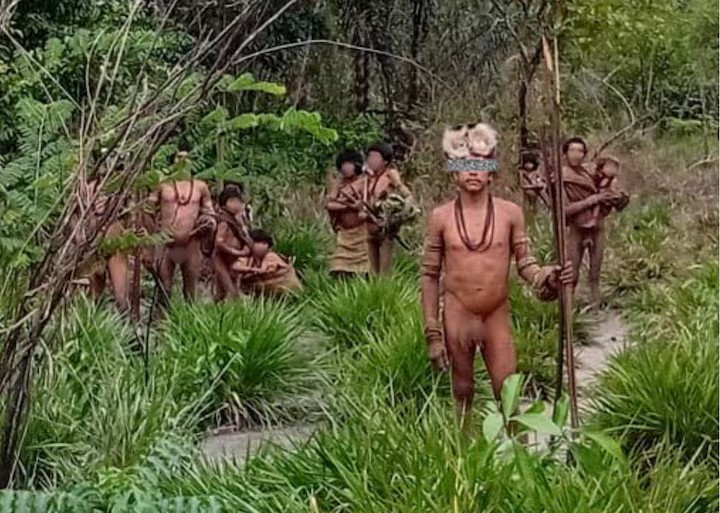
The images, released on November 17 by UK-based Indigenous rights organisation Survival International, reportedly captured an encounter between a government team and approximately 20 members of the Awá Indigenous people in northeastern Brazil.
ADC Heads to Appeal Court, Seeks To Stop INEC From Removing David Mark-Led Leadership
 blob:https://www.image2url.com/6b1201f1-93ee-44f9-bbeb-45816585e575
According to the organisation, the encounter took place a day earlier in Maranhão state, where the Indigenous group approached the team and asked for food.
Survival International described the incident as a historic encounter, noting that a similar approach by isolated members of the Awá community had not been reported in recent decades.
The development has raised concerns among Indigenous rights advocates about the circumstances that may have prompted the group to approach outsiders, particularly the possibility that increasing pressure from people entering their territory is affecting their ability to remain isolated.
The organisation said the images were released at the request of the Guardians of the Amazon, an Indigenous group campaigning against illegal logging and cattle ranching in the region.
Isolated Awá People Face Growing Pressure in the Amazon
Survival International defines uncontacted Indigenous groups as communities that avoid contact with outsiders and have no permanent relationship with the wider society, even though they may be aware of the outside world.
The organisation said the Awá encounter was unusual because there had been no comparable approach in recent history, or at least for several decades.
It suggested that the group may have requested food because outsiders were increasingly entering their territory, potentially placing pressure on their traditional way of life.
The Awá are a Tupi-Guarani Indigenous people living in northwestern Maranhão. According to Brazil’s Indigenous affairs agency, the National Indigenous Peoples Foundation, known as Funai, some members of the community continue to live in voluntary isolation.
Survival International’s director, Caroline Pearce, warned that the isolated Awá were facing serious threats from activities taking place around their territory.
She said intruders were approaching from different directions, leaving the community with an increasingly limited area of rainforest in which to live.
“The uncontacted Awá are under extreme pressure as intruders encroach from all sides of their territory, driving them into an ever-smaller island of the Amazon rainforest, surrounded by destruction,” Pearce said.
Her comments highlight concerns that continued deforestation and illegal activities could further restrict the land available to isolated Indigenous communities.
Funai Activates Emergency Measures After Reported Encounter
Brazil’s Indigenous affairs agency Funai said it was reviewing videos and accounts circulating on social media that showed isolated Awá people interacting with a village in the Araribóia Indigenous Land in Maranhão.
The agency also confirmed that it had activated a contingency plan for situations involving contact with isolated Indigenous communities.
According to Funai, the plan prioritises reducing health risks to the Indigenous people involved.
The agency stressed that the Brazilian government was not seeking contact with the group and that its official policy remained one of non-contact.
This approach is particularly important because uncontacted communities may have limited immunity to diseases circulating among the wider population. Unplanned interactions can therefore expose them to serious health risks.
Funai’s response reflects the need to protect the community while assessing the circumstances surrounding the reported encounter.
Reuters reported that it could not independently verify the location and date of the footage. However, no older versions of the images were found online before November 17.
Indigenous Organisations Warn Against Unplanned Contact
The Maranhão Indigenous people’s organisation COAPIMA also expressed concern about the reported encounter, saying it demonstrated the importance of careful intervention by the relevant authorities.
In a statement on Tuesday, the organisation warned that contact situations involving isolated Indigenous populations must be handled cautiously.
It said unplanned encounters could expose vulnerable communities to diseases and other dangers that threaten their wellbeing and survival.
COAPIMA’s position reinforces calls for government agencies to prioritise the safety of isolated groups rather than allow uncontrolled interactions with outsiders.
Survival International also highlighted the scale of the global challenge, saying it had identified 196 uncontacted Indigenous groups across 10 countries in South America, Asia and the Pacific.
According to the organisation, almost 95 per cent of these groups are located in the Amazon region, including 124 in Brazil.
The figures underline the importance of protecting the rainforest territories on which many isolated communities depend.
Amazon Encroachment Raises Wider Concerns
The reported encounter comes amid longstanding concerns about the growing threats facing isolated Indigenous communities across the Amazon, the world’s largest rainforest.
In recent decades, illegal miners, loggers and ranchers have increasingly encroached on Indigenous territories, putting pressure on communities that depend on the forest for their survival.
For groups living in voluntary isolation, the loss of territory can have particularly serious consequences. It can restrict access to food and other resources while increasing the likelihood of encounters with outsiders.
The Awá images have therefore renewed attention to the risks associated with illegal activities in Maranhão and other parts of the Amazon.
Although the circumstances that led the group to approach the government team remain unclear, Indigenous rights advocates say the encounter should prompt stronger protection of their territory.
For Funai and other responsible agencies, the immediate priority is to minimise health risks and maintain the government’s non-contact policy.
The wider challenge, however, remains preventing illegal activities from pushing isolated communities out of the forests they have depended on for generations.





















Leave a Comment
Your email address will not be published. Required fields are marked with *