
Sleepless Nights, Long Queues: Ibadan Tricycle Operators Groan Over CNG Scarcity By Olufunmilayo A. Ojo, PhD For some commercial tricycle operators in Ibadan, Oyo State, the struggle to earn a living begins long before their first passenger of the day. At CNG refuelling stations, some arrive as early as 4 a.m., while others sleep overnight
Sleepless Nights, Long Queues: Ibadan Tricycle Operators Groan Over CNG Scarcity
By Olufunmilayo A. Ojo, PhD
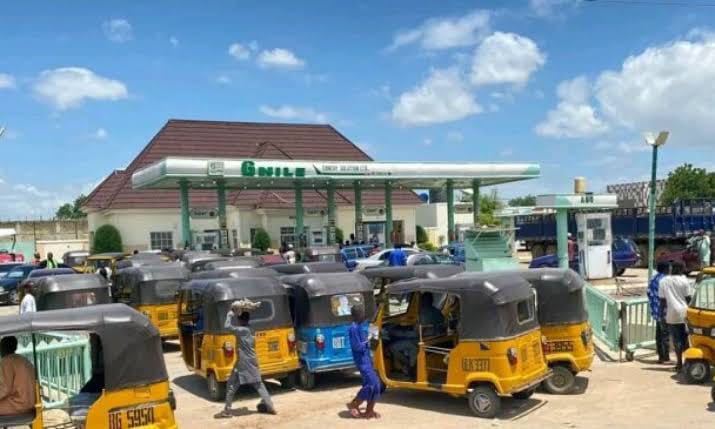
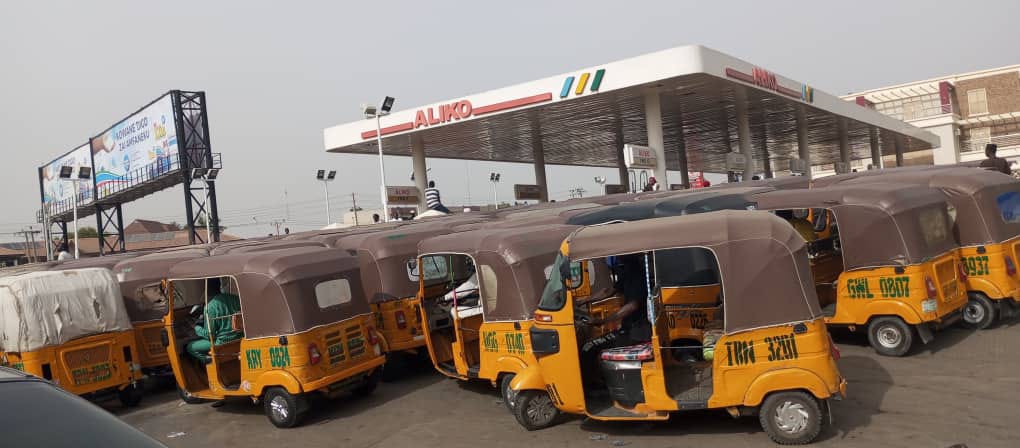
For some commercial tricycle operators in Ibadan, Oyo State, the struggle to earn a living begins long before their first passenger of the day. At CNG refuelling stations, some arrive as early as 4 a.m., while others sleep overnight to secure a place in the queue.
SERAP Sues Tinubu Government Over ₦78.8bn Cash Transfer Funds
 blob:https://www.image2url.com/6b1201f1-93ee-44f9-bbeb-45816585e575
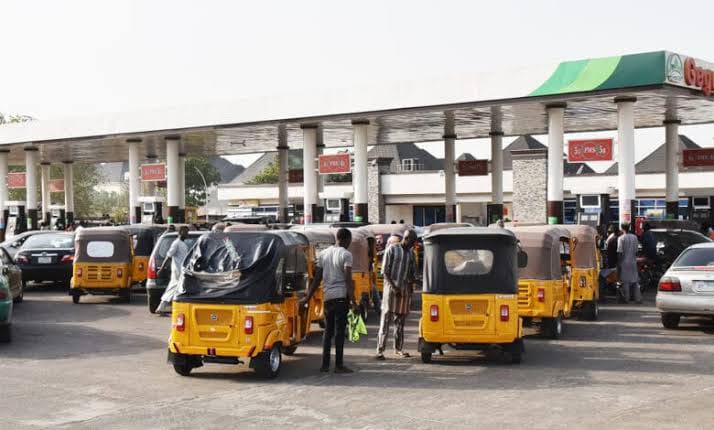
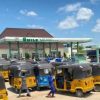
During a visit to a Compressed Natural Gas (CNG) station along the Tollgate axis of the Ibadan-Lagos Expressway, about 300 tricycles were observed waiting to refuel, highlighting the growing pressure on existing facilities.
For operators who depend on daily earnings to feed their families and meet other financial obligations, the long queues translate into lost working hours, fewer passengers and reduced income.
The growing demand for CNG-powered vehicles followed the removal of the federal government’s petrol subsidy in May 2023, which triggered a sharp increase in petrol prices and transportation costs.
 In response, the Federal Government intensified efforts to promote CNG as a cheaper alternative through the Presidential CNG Initiative, encouraging vehicle conversions and investments in refuelling infrastructure.
The initiative was designed to reduce transportation costs and ease the financial burden on operators and commuters. However, limited access to refuelling facilities threatens to undermine these benefits.
CNG reportedly sells for about ₦380 per Standard Cubic Metre (SCM) for cars and passenger buses in Ibadan, while heavy-duty vehicles and lorries pay approximately ₦450 per SCM.
Although the city has about 10 CNG stations, variations in supply and the concentration of demand at certain outlets continue to contribute to long queues.
Sleepless Nights, Long Queues: Ibadan Tricycle Operators Groan Over CNG Scarcity
Some tricycle operators who spoke on the situation appealed to the government to establish more refuelling stations across Ibadan to improve access and reduce waiting times.
While commending the government for introducing the initiative, they said the benefits would remain limited unless sufficient facilities were provided to meet growing demand.
They explained that spending several hours waiting for gas affected their ability to transport passengers, earn adequate income and meet household expenses, including food, rent and school fees.
A representative of a CNG station in Ibadan, Mr Yunusa Odetayo, said the facility had sufficient gas to serve customers but attributed the queues to the increasing number of commercial transport operators who had converted their tricycles to run on CNG.
His explanation points to the growing demand for the alternative fuel and the need to expand refuelling infrastructure to accommodate more users.
For commercial transport workers, time spent in queues represents lost business opportunities. The resulting loss of income could also affect their families and the wider economy, as transportation connects workers, traders, farmers and other businesses to essential services and markets.
The situation underscores the need to match the growing adoption of CNG-powered vehicles with adequate infrastructure. While vehicle conversions and fuel availability are important, convenient access is equally essential to achieving the initiative’s objectives.
The government could accelerate the establishment of additional CNG stations at strategic locations across Ibadan and other major transport hubs in Oyo State. Public-private partnerships and investment incentives could also encourage the development of facilities in underserved areas.
In addition, authorities and transport unions could collaborate to assess demand, identify locations requiring new outlets and improve information on station availability and operating hours.
As Nigeria explores alternative energy sources to reduce transportation costs, the success of the CNG initiative will depend not only on affordability but also on accessibility and reliability.
Until more refuelling facilities become available, some operators who embraced CNG to reduce their running costs may continue to spend valuable hours waiting for the fuel they need to earn a living.



















Leave a Comment
Your email address will not be published. Required fields are marked with *