

The Central Bank of Nigeria (CBN) has reduced the country’s benchmark interest rate from 26.5 per cent to 23 per cent, following the conclusion of the Monetary Policy Committee’s (MPC) 307th meeting in Abuja on Tuesday. CBN Governor, Olayemi Cardoso, announced the decision, which represents a 3.5 percentage-point reduction in the Monetary Policy Rate (MPR),
The Central Bank of Nigeria (CBN) has reduced the country’s benchmark interest rate from 26.5 per cent to 23 per cent, following the conclusion of the Monetary Policy Committee’s (MPC) 307th meeting in Abuja on Tuesday.
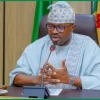
CBN Governor, Olayemi Cardoso, announced the decision, which represents a 3.5 percentage-point reduction in the Monetary Policy Rate (MPR), the key benchmark used by the apex bank to influence borrowing costs and other interest rates across the economy.
Niger Deaths: FG Inaugurates 10-Member Probe Panel
 blob:https://www.image2url.com/6b1201f1-93ee-44f9-bbeb-45816585e575
The latest cut follows an earlier 50-basis-point reduction in February 2026, signalling another adjustment to the CBN’s monetary policy stance. The MPR is a major tool used by the central bank to manage inflation, influence credit conditions and support broader economic stability.
The decision comes amid a slight easing of inflation. Recent figures from the National Bureau of Statistics (NBS) showed that Nigeria’s headline inflation rate declined to 15.39 per cent in August 2026, from 15.43 per cent in July. The August reading marked another monthly decline after inflation had risen for three consecutive months.
Meanwhile, the Senate Committee on Public Accounts has issued a 72-hour ultimatum to the CBN, the Nigerian Upstream Petroleum Regulatory Commission (NUPRC), the Niger Delta Development Commission (NDDC), NEITI and other agencies that failed to honour previous invitations over audit queries.
The directive followed the agencies’ absence from a special legislative oversight hearing on NEITI’s 2021, 2022 and 2023 oil and gas industry audit reports, which stalled proceedings on Monday. The committee is examining revenues, remittances, payments and financial obligations in the oil and gas sector, as well as compliance with relevant financial and extractive industry laws.





















Leave a Comment
Your email address will not be published. Required fields are marked with *