
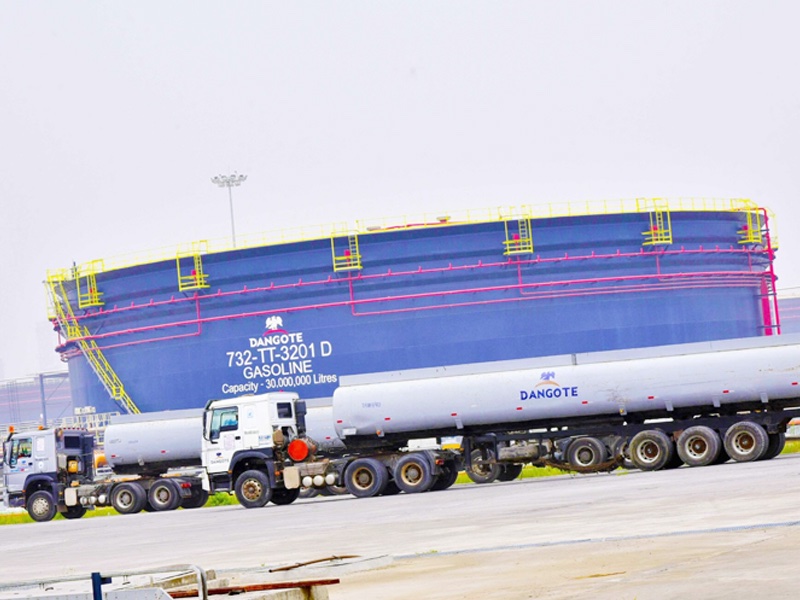
The Dangote Refinery supplied approximately 79 per cent of Nigeria’s petrol consumption in April, according to new data released by the Nigerian Midstream and Downstream Petroleum Regulatory Authority (NMDPRA). The figures underscore the growing dominance of the Lagos-based refinery in Nigeria’s downstream petroleum market as local refining capacity continues to expand following years of dependence
The Dangote Refinery supplied approximately 79 per cent of Nigeria’s petrol consumption in April, according to new data released by the Nigerian Midstream and Downstream Petroleum Regulatory Authority (NMDPRA).
The figures underscore the growing dominance of the Lagos-based refinery in Nigeria’s downstream petroleum market as local refining capacity continues to expand following years of dependence on imported fuel.
According to the regulatory data, the refinery accounted for the largest share of Premium Motor Spirit (PMS), commonly known as petrol, distributed across the country during the month under review.
Former Power Minister Saleh Mamman Sentenced To 75 Years Over ₦33.8bn Fraud
 blob:https://www.image2url.com/6b1201f1-93ee-44f9-bbeb-45816585e575
The development represents a major shift in Nigeria’s fuel supply structure, with the refinery increasingly reducing the country’s reliance on imported petroleum products.
Local Refining Gains Momentum
Industry analysts say the latest figures highlight the increasing operational capacity of the refinery and the broader impact of local refining on Nigeria’s energy sector.
The refinery, owned by billionaire industrialist Aliko Dangote, has steadily ramped up production since beginning petroleum supply operations.
Experts note that higher domestic refining output could help reduce pressure on foreign exchange demand previously used for large-scale fuel imports.
The refinery’s expanding role also comes amid ongoing reforms in the downstream oil sector following the deregulation of petrol pricing and changes in subsidy policies.
Reduced Import Dependence
Nigeria has historically relied heavily on imported refined petroleum products despite being one of Africa’s leading crude oil producers.
However, the growing contribution of the Dangote Refinery is now reshaping fuel supply dynamics by increasing local availability of refined products.
Market observers say this could improve supply stability, reduce shipping costs, and potentially strengthen energy security if production levels remain consistent.
The refinery’s strong market share in April also reflects the reduced participation of fuel importers, many of whom have scaled back operations due to foreign exchange constraints and changing market conditions.
Economic and Industry Implications
Analysts believe sustained local refining could positively impact Nigeria’s trade balance by lowering import bills and reducing exposure to global fuel supply disruptions.
The refinery’s output is also expected to influence pricing trends within the domestic market, especially as competition and supply volumes increase.
In addition to petrol, the facility is expected to continue expanding production of diesel, aviation fuel, and other petroleum products for both domestic use and export markets.
The NMDPRA data reinforces the growing significance of local refining capacity in Nigeria’s long-term energy strategy and economic reform agenda.






















Leave a Comment
Your email address will not be published. Required fields are marked with *