
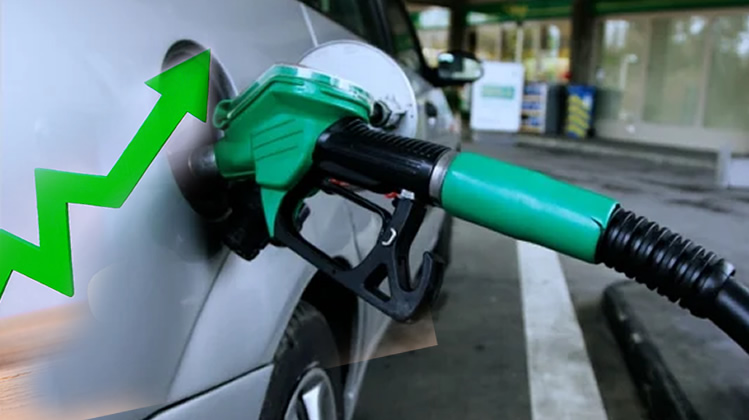
Fresh concerns are mounting over another increase in the price of petrol in Nigeria as pump prices approach ₦1,500 per litre in parts of the country. The latest development followed an increase in the ex-depot price of Premium Motor Spirit, commonly known as petrol, by Dangote Petroleum Refinery. The refinery reportedly raised its petrol gantry
Fresh concerns are mounting over another increase in the price of petrol in Nigeria as pump prices approach ₦1,500 per litre in parts of the country.
The latest development followed an increase in the ex-depot price of Premium Motor Spirit, commonly known as petrol, by Dangote Petroleum Refinery.
The refinery reportedly raised its petrol gantry price from ₦1,265 to ₦1,350 per litre, representing an increase of ₦85, or about 6.7 per cent.
 blob:https://www.image2url.com/6b1201f1-93ee-44f9-bbeb-45816585e575
UK Innovator Founder Visa: How Nigerian Students Can Switch From Student Visa
The new price took effect on Saturday, September 12, 2026, with the impact already being reflected at some filling stations, particularly in Abuja and other inland markets.
Checks in Abuja showed that some major filling stations had adjusted their pump prices to between ₦1,395 and ₦1,430 per litre.
The latest adjustment has heightened concerns among motorists, transport operators, businesses and households over the possibility of another increase in transportation and living costs.
Petrol Price Moves Closer to ₦1,500
The latest adjustment represents the fourth reported increase in Dangote Refinery’s petrol gantry price since August 21, 2026.
The refinery initially increased the price from ₦1,165 to ₦1,185 per litre on August 21.
Five days later, on August 26, the price was reportedly increased again, this time to ₦1,200 per litre.
Another adjustment followed on August 29, when the price moved from ₦1,200 to ₦1,265 per litre.
The latest ₦85 increase has now taken the gantry price to ₦1,350 per litre.
Overall, the refinery’s reported gantry price has risen by ₦185 within 22 days, representing an increase of about 15.9 per cent over the period.
The increase has placed additional pressure on petroleum marketers, who must factor the higher acquisition cost into their retail pricing.
Petrol Sells Above ₦1,400 in Abuja
The impact of the latest increase is already evident in Abuja, where different filling stations have adjusted their pump prices.
MRS outlets reportedly increased their petrol price from ₦1,350 to ₦1,395 per litre, while NIPCO outlets were reported to be selling at about ₦1,430 per litre.
Mobil stations were also reported to have adjusted their prices to around ₦1,400 per litre.
Differences in pump prices are not unusual because marketers face varying transportation, supply, operating and distribution costs.
The situation is particularly significant for Abuja and other inland markets because petroleum products have to travel considerable distances from coastal supply locations.
Crude Oil Prices Add to Pressure
The latest increase comes amid elevated international crude oil prices, which have placed additional pressure on the downstream petroleum market.
Brent crude, the global benchmark, has traded above the $100-per-barrel mark amid heightened geopolitical tensions in the Middle East.
Bonny Light, Nigeria’s crude benchmark, has also traded above $100 per barrel during the period referenced in the report.
Higher crude prices can increase the cost base across the petroleum supply chain, even when refined products are produced domestically.
An industry expert, Olatide Jeremiah, Chief Executive Officer of Petroleumprice.ng, attributed the latest pressure partly to higher international oil prices and freight costs.
He warned that petrol prices could move towards ₦1,500 per litre in major Nigerian cities if geopolitical tensions persist and crude oil prices remain elevated.
Logistics Costs Increase Retail Prices
Transportation remains another important factor influencing petrol prices across Nigeria.
Coastal locations generally have easier access to refineries, terminals and other petroleum supply points, while inland cities depend more heavily on road transportation.
The cost of trucking, freight, handling and distribution is therefore incorporated into the price paid by consumers.
This helps explain why petrol can sell at different prices in Lagos, Abuja and other parts of the country even when marketers are sourcing products from the same general supply market.
Northern markets may face additional pressure because of the longer distances involved in moving petroleum products from coastal areas.
Some industry estimates have suggested that petrol prices in parts of the North could move between ₦1,450 and ₦1,600 per litre, depending on supply and logistics costs.
Marketers Face Fresh Uncertainty
The frequent changes in the cost of petrol have also raised concerns among petroleum marketers.
Successive adjustments make it difficult for filling station operators to determine the appropriate retail price for existing stock while preparing for the cost of replacing it.
A filling station operator in Abuja indicated that consumers could see further changes as stations exhaust products purchased at earlier prices and begin selling supplies acquired at the new rate.
This means pump prices may continue to vary from one outlet to another depending on when the station purchased its current stock.
Higher Petrol Prices Could Affect Transport Fares
The effect of rising petrol prices extends well beyond filling stations.
Commercial transport operators who rely on petrol-powered vehicles face higher operating costs whenever the pump price increases.
Taxis, buses, tricycles and motorcycles could all be affected, with operators potentially adjusting fares to cover higher fuel expenses.
Higher transportation costs could also feed into food prices because agricultural products and other essential goods are moved largely by road.
Farmers, wholesalers, distributors and retailers may consequently face higher logistics expenses, which could eventually be passed on to consumers.
For households already dealing with elevated living expenses, another increase in transport and food costs could further reduce disposable income.
Businesses Also Face Rising Costs
Businesses that depend on petrol-powered generators could equally feel the impact.
Although electricity availability influences how frequently generators are used, many Nigerian businesses continue to rely on petrol and diesel generators to supplement public electricity.
A sustained increase in fuel costs can therefore raise operating expenses for small businesses, retailers and service providers.
Some businesses may respond by increasing the prices of their goods and services, potentially adding further pressure to consumers.
Government Intervention Debate Returns
The latest increase has also renewed discussions about possible government intervention to cushion the impact of rising petrol prices.
The debate, however, has increasingly focused on targeted assistance for vulnerable Nigerians rather than a return to a universal petrol subsidy.
The Centre for the Promotion of Private Enterprise has previously warned that restoring a universal petrol subsidy at current consumption levels could impose a significant financial burden on the Federal Government.
The organisation instead advocated targeted relief measures designed to protect vulnerable households from rising energy costs.
The issue remains part of the broader debate surrounding Nigeria’s decision to remove petrol subsidies and allow market forces to play a greater role in determining pump prices.
N1,500 Petrol Price Within Sight
With petrol already selling for as much as ₦1,430 per litre at some Abuja filling stations, the ₦1,500 mark is becoming increasingly close.
However, this does not mean that every filling station across Nigeria is expected to sell petrol at ₦1,500 per litre.
Pump prices continue to vary according to location, supply costs, transportation expenses, operating costs and individual marketers’ pricing decisions.
The immediate direction of the market will depend heavily on international crude oil prices, domestic refining costs, logistics and supply conditions.
If crude prices remain elevated, further pressure could emerge in the domestic market. A sustained decline in international oil prices, on the other hand, could provide some relief.
For now, the latest increase by Dangote Refinery has already pushed petrol prices higher in parts of Nigeria and brought consumers closer to another major price milestone.
With some Abuja stations already above ₦1,400 per litre, motorists and businesses will be watching closely to see whether the ₦1,500 threshold becomes the next reality in the country’s increasingly volatile downstream petroleum market.



















Leave a Comment
Your email address will not be published. Required fields are marked with *