
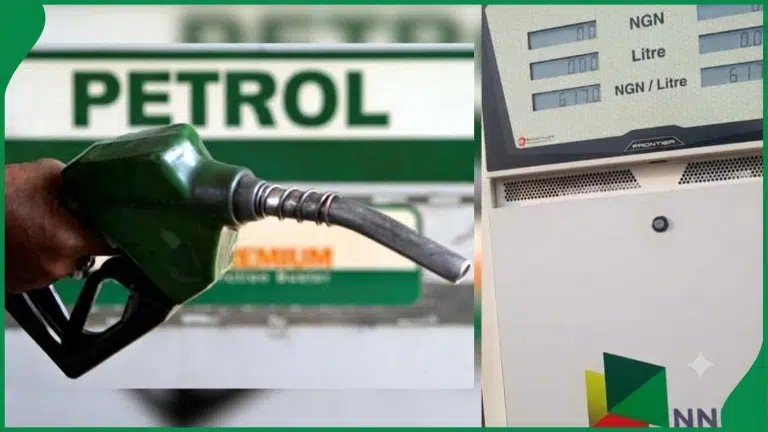
The Nigerian National Petroleum Company Limited (NNPCL) has increased the pump price of Premium Motor Spirit (PMS), commonly known as petrol, in another adjustment that has pushed retail prices higher across several of its filling stations in Abuja and surrounding areas. The latest increase was implemented on Tuesday, September 15, 2026, with several NNPCL retail
The Nigerian National Petroleum Company Limited (NNPCL) has increased the pump price of Premium Motor Spirit (PMS), commonly known as petrol, in another adjustment that has pushed retail prices higher across several of its filling stations in Abuja and surrounding areas.
The latest increase was implemented on Tuesday, September 15, 2026, with several NNPCL retail outlets reportedly selling petrol between ₦1,395 and ₦1,430 per litre, depending on the location.
The adjustment represents an increase of between ₦50 and ₦80 per litre at affected NNPCL stations, adding further pressure to motorists and businesses already dealing with elevated fuel costs.
 blob:https://www.image2url.com/6b1201f1-93ee-44f9-bbeb-45816585e575
A market survey cited by Daily Post found that the new prices had been introduced at a number of NNPCL stations across the Federal Capital Territory.
Affected locations reportedly include outlets around Airport Junction, Gwarinpa, Kubwa Expressway and Wuse Zone 4, among other areas within Abuja and its environs.
The latest development comes shortly after another significant adjustment in the downstream petroleum market, with Dangote Petroleum Refinery recently increasing its petrol gantry price.
Photos: Mexican ‘Drug Kingpin’ Arrested Fleeing Nigeria, NDLEA Busts Meth Lab
Dangote Petroleum Refinery recently raised the ex-gantry price of PMS from ₦1,265 to ₦1,350 per litre, representing an increase of ₦85 or approximately 6.7 per cent.
The adjustment by the privately owned refinery has contributed to renewed price movements across the downstream petroleum sector, particularly as marketers contend with changes in crude oil prices and product replacement costs.
Information attributed to Petroleumprice.ng indicated that the latest market pressure has been linked to a rise in international crude oil prices and higher replacement costs for petroleum products.
The PMS landing cost was reportedly estimated at ₦1,311 per litre, placing significant pressure on the economics of petrol distribution.
With Dangote’s new ex-gantry price already above the cited landing-cost benchmark, marketers and retailers are facing a more challenging operating environment.
The development also represents a reversal from the refinery’s earlier position of maintaining its Lagos petrol price despite fluctuations in the international market.
Rising crude prices have increasingly become an important factor in Nigeria’s downstream petroleum market since the removal of petrol subsidy and the transition toward market-driven pricing.
For motorists, repeated adjustments at the wholesale and retail levels can translate into higher transportation expenses, particularly when filling stations alter pump prices in response to their acquisition costs.
Transport operators may also seek to recover additional fuel expenses through increased fares, while businesses that depend heavily on vehicles and generators could face higher operating costs.
The impact can extend beyond the transport sector because increased logistics expenses often affect the cost of moving agricultural produce, manufactured goods and other commodities across the country.
The latest NNPCL adjustment therefore comes at a time when consumers are closely watching petrol prices and their broader effect on household and business budgets.
The price difference between individual filling stations may also continue to reflect factors such as location, supply costs and the prevailing price at which retailers obtain their products.
NNPCL’s latest increase is particularly significant because of the company’s extensive retail network, meaning changes at its stations can influence market expectations and pricing decisions by other fuel retailers.
The development also underscores the sensitivity of Nigeria’s downstream market to international crude oil movements and the cost of replacing petroleum products.
As crude prices remain elevated, further adjustments across the supply chain could continue to affect the pump price of petrol if the underlying market pressures persist.
For now, motorists in Abuja and other locations are expected to monitor filling stations closely as the latest NNPCL prices take effect.
The new retail range of ₦1,395 to ₦1,430 per litre represents another increase in the cost of petrol for consumers and adds to the growing debate over affordability, market pricing and the wider economic consequences of rising fuel costs in Nigeria.
1 comment






















1 Comment
I’m No Surrogate To Makinde — Adekanmbi – NEWSWORLD
September 15, 2026, 5:46 pm[…] Fuel Price Rises Again As NNPCL Sells Petrol At ₦1,430/Litre […]
REPLY