
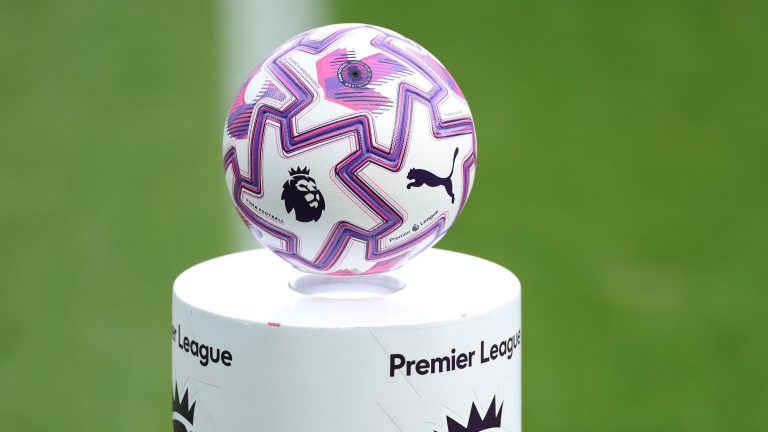
The English Premier League is set to experience its longest international break in history this season, with domestic action scheduled to pause for 16 days between September and October. The extended interruption will begin after Matchweek 5 on September 20, with Premier League fixtures scheduled to resume on October 10 for Matchweek 6. Rising Transport
The English Premier League is set to experience its longest international break in history this season, with domestic action scheduled to pause for 16 days between September and October.
The extended interruption will begin after Matchweek 5 on September 20, with Premier League fixtures scheduled to resume on October 10 for Matchweek 6.
Rising Transport Costs Push Nigerian Workers To Sleep In Offices
 blob:https://www.image2url.com/6b1201f1-93ee-44f9-bbeb-45816585e575
The unusual calendar is the result of FIFA combining the traditional September and October international windows into one extended period running from September 21 to October 6.
Under the revised arrangement, national teams will have the opportunity to play four matches during the international period instead of the usual two.
European nations are expected to continue their international competitions, while African countries will use the window for Africa Cup of Nations qualification matches.
Teams from other confederations will also have international commitments, including Nations League fixtures and friendly matches, depending on their qualification status and competition schedules.
Premier League Faces Longer International Break
The Premier League said the calendar adjustment is intended partly to reduce the number of occasions on which players have to undertake long-distance international travel during the season.
Many Premier League players represent countries outside Europe, particularly nations in Africa and South America. Combining the September and October windows means those players will make fewer separate long-distance journeys during the early part of the campaign.
The league also said the revised system reduces the number of breaks between the beginning of the season and the end of the year from three to two.
The change was approved by the FIFA Council in 2023, with player welfare among the factors considered during discussions over the international calendar.
Previously, the Premier League season featured four international windows in September, October, November and March. Each window generally lasted around nine days and allowed national teams to play two matches.
This season, however, the September and October periods have been merged into one 16-day window, allowing countries to schedule four fixtures.
The practical effect could be an even longer interruption for clubs because players returning from international duty may not immediately feature for their teams until the following weekend.
November and March Breaks Remain
The next international window after the extended September-October break is scheduled for November 9 to 17, falling between Matchweeks 10 and 11.
During that period, European teams will continue their international campaigns, while African nations are expected to play further AFCON qualifying matches.
The final international break of the Premier League season is scheduled for March 22 to 30, between Matchweeks 30 and 31.
The March window will include the start of Euro 2028 qualifying for some countries, as well as UEFA Nations League knockout fixtures. African nations will also continue their qualification programmes, while CONCACAF competitions will feature their concluding stages.
The Premier League said the current international-break structure is linked to the FIFA International Match Calendar, which established fixed periods for national-team fixtures.
The system was introduced as the number of international matches increased, including qualification matches for major tournaments such as the FIFA World Cup.
International tournaments can also affect Premier League clubs outside the normal FIFA windows. The league noted that when the Africa Cup of Nations was held between December and January last season, clubs were required to release players for the tournament even though domestic league fixtures continued.
There have been discussions about reducing the number of international interruptions, but the existing system is expected to remain in place until at least 2030.
The Premier League has also introduced scheduling considerations around international windows. Matches will not be scheduled for Monday night immediately before an international break or Friday night immediately after one.
The changes mean Premier League supporters will face an unusual early-season calendar, with domestic football interrupted after just five matchweeks before returning in October.
For clubs, the extended window provides additional time away from domestic competition, but it also means international players could face a demanding sequence of fixtures before returning to the Premier League campaign.





















Leave a Comment
Your email address will not be published. Required fields are marked with *