
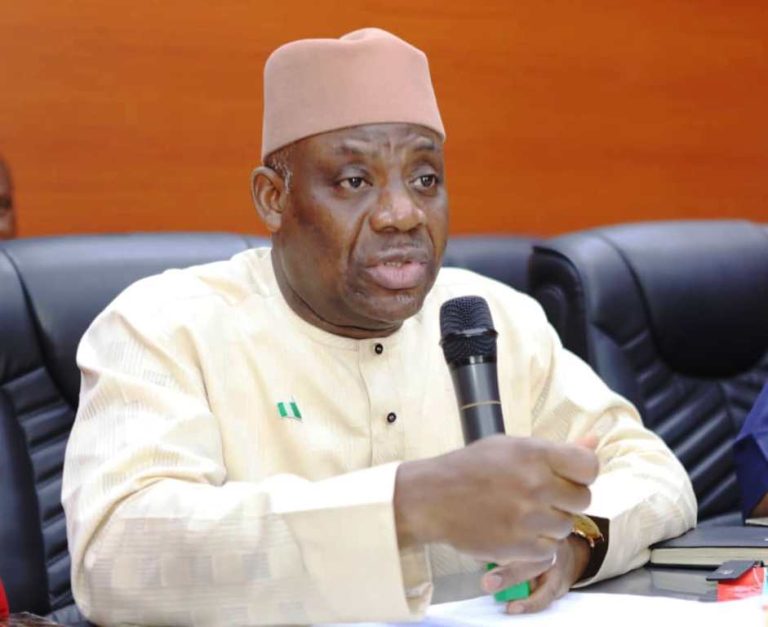
A new directive has stirred conversations across Nigeria’s academic and professional circles, as authorities move to restrict the use of the “Dr” title strictly to individuals who have earned it through academic or professional qualifications. The development, reported by Daily Trust, signals a significant shift in how honorary degrees are perceived and applied in
A new directive has stirred conversations across Nigeria’s academic and professional circles, as authorities move to restrict the use of the “Dr” title strictly to individuals who have earned it through academic or professional qualifications.
The development, reported by Daily Trust, signals a significant shift in how honorary degrees are perceived and applied in formal settings. The move is aimed at preserving the integrity of academic titles and preventing their misuse by individuals who have not undergone the rigorous processes required to attain such distinctions.
 blob:https://www.image2url.com/6b1201f1-93ee-44f9-bbeb-45816585e575
Ganduje Recognises Sanusi As Emir Of Kano
Holders Face Restriction as Honorary Degrees Lose ‘Dr’ Privilege
The directive clarifies that individuals awarded honorary doctorates—often conferred as recognition for contributions to society—are no longer permitted to prefix their names with “Dr” in official or professional contexts. While honorary degrees remain a mark of prestige, they are now being clearly distinguished from earned academic qualifications.
Authorities emphasized that the title “Dr” should be reserved for those who have completed accredited doctoral programs or possess recognized professional doctorates, such as in medicine or related fields. The distinction is considered crucial in maintaining clarity and credibility across institutions and industries.
This move is expected to affect a wide range of prominent figures, including business leaders, politicians, and public personalities who have previously adopted the “Dr” title based solely on honorary awards. Observers note that the decision could reshape public perception and encourage greater respect for academic achievement.
Experts within Nigeria’s education sector have welcomed the directive, describing it as a necessary step toward aligning the country with global academic standards. In many parts of the world, honorary doctorate recipients are discouraged—or outright prohibited—from using the “Dr” title to avoid confusion.
The enforcement of this rule may also prompt institutions to be more transparent about the nature of honorary awards, ensuring recipients and the public clearly understand their symbolic value rather than academic equivalence.
Despite the clarity of the directive, reactions have been mixed. While some Nigerians applaud the effort to uphold academic integrity, others argue that honorary titles have long been part of cultural recognition systems and should not be diminished entirely.
Nevertheless, the policy underscores a broader push toward standardization and accountability within Nigeria’s education system. It also serves as a reminder of the distinction between recognition and qualification—two concepts that, while related, are fundamentally different.
As implementation begins, institutions and organizations are expected to comply with the directive, ensuring that titles used in official documents, communications, and public engagements accurately reflect earned credentials.
The development marks a defining moment in Nigeria’s academic landscape, reinforcing the value of earned expertise while redefining the role of honorary recognition in modern society.


















Leave a Comment
Your email address will not be published. Required fields are marked with *