
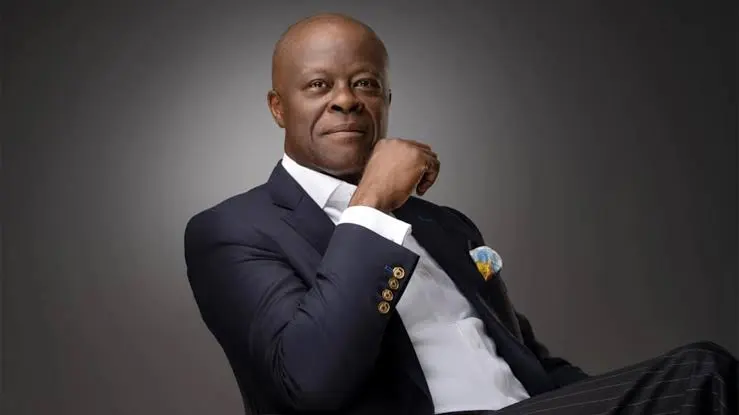
Nigeria’s economic leadership is set for a transition as Wale Edun prepares to step down from his role as Minister of Finance and Coordinating Minister of the Economy. His exit on Thursday marks the end of a significant chapter in the administration of President Bola Tinubu. In a farewell statement, Edun reflected on his
Nigeria’s economic leadership is set for a transition as Wale Edun prepares to step down from his role as Minister of Finance and Coordinating Minister of the Economy. His exit on Thursday marks the end of a significant chapter in the administration of President Bola Tinubu.
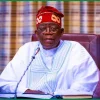
In a farewell statement, Edun reflected on his time in office, expressing gratitude to the president for the opportunity to serve since May 2023. He described his journey in the administration as both demanding and fulfilling, noting that it began with his leadership of the Presidential Transition Committee.
 blob:https://www.image2url.com/6b1201f1-93ee-44f9-bbeb-45816585e575
Edun subsequently served as Special Adviser on Monetary Policy before being appointed to oversee Nigeria’s economic portfolio, a role that placed him at the center of major fiscal and monetary reforms.
Sowore Condemns ‘Lawfare’ Against El-Rufai, Demands Bail And Fair Trial
During his tenure, Edun highlighted that the administration inherited a challenging economic environment, including instability in key macroeconomic indicators. He stated that deliberate policy measures were introduced to address these issues and reposition the economy for sustainable growth.
According to him, Nigeria witnessed notable improvements, with economic growth reportedly increasing from about two percent to over four percent. He also pointed to a decline in inflation, which he said dropped from 35 percent to 15 percent due to coordinated policy actions and improved investor confidence.
Edun emphasized that these gains were not achieved in isolation but were the result of collaboration across multiple levels of government. He credited members of the Federal Executive Council, state governors, and stakeholders in the private sector for contributing to the reform process.
He noted that efforts focused on stabilising the macroeconomic environment, enhancing fiscal discipline, and laying a foundation for inclusive development.
Adeleke Names Oladipo, Adeoti, Olajengbesi In 52-member Campaign Council
While expressing pride in the administration’s achievements, Edun acknowledged that economic reform is an ongoing process. He stressed that although progress has been made, further work is required to consolidate gains and address remaining challenges.
The outgoing minister conveyed optimism about Nigeria’s economic trajectory, expressing confidence that the policies implemented during his tenure would continue to yield positive outcomes. He also extended his best wishes to his successor, urging continuity in reform efforts.
Edun reaffirmed his commitment to national development, stating that his contributions would not end with his departure from office. He described his time in government as a period of learning and service, marked by both challenges and accomplishments.
Edun’s departure signals a new phase in Nigeria’s economic management, as attention shifts to the incoming leadership and its approach to sustaining reforms. Analysts suggest that continuity will be key to maintaining investor confidence and ensuring stability.
His tenure will likely be assessed based on the effectiveness of implemented policies and their long-term impact on economic growth and stability. The reported improvements in key indicators may serve as a benchmark for future performance.
As Nigeria navigates evolving economic realities, leadership transitions such as this underscore the importance of policy consistency and strategic planning. Edun’s exit, while marking the end of his official role, leaves behind a framework that could influence the country’s economic direction in the years ahead.


















Leave a Comment
Your email address will not be published. Required fields are marked with *