
Maritime Truck Drivers Protest to Defend ETO Call-Up, Demand End to Extortion at Ports On Tuesday, truck owners and drivers under the banner of the Maritime Truck Drivers Association (MTDA) took to the streets in a peaceful protest across key port corridors in Lagos, demanding an end to extortion, racketeering, and inefficiencies plaguing the port
Maritime Truck Drivers Protest to Defend ETO Call-Up, Demand End to Extortion at Ports
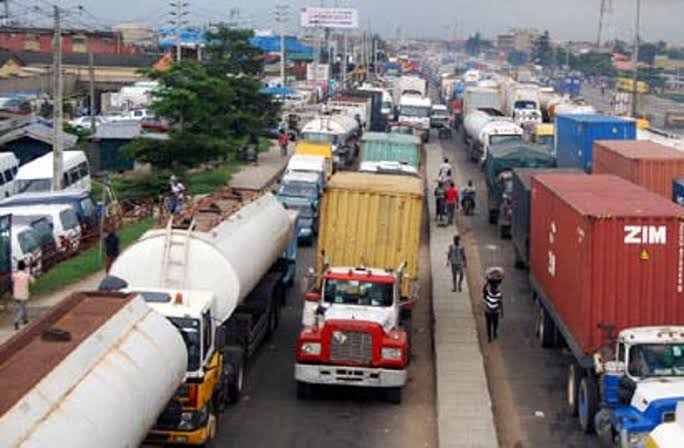
On Tuesday, truck owners and drivers under the banner of the Maritime Truck Drivers Association (MTDA) took to the streets in a peaceful protest across key port corridors in Lagos, demanding an end to extortion, racketeering, and inefficiencies plaguing the port access roads. The protest, which began at Lillypond Truck Park in Ijora and continued through Apapa Port to Tin-Can Island Port, was a direct response to rising agitation against the electronic call-up system, popularly known as ETO.
The MTDA members expressed their strong support for the ETO system, insisting it has significantly improved traffic conditions around the notoriously congested ports. At the same time, they raised serious concerns about the emergence of a black market around the ETO platform and the proliferation of illegal checkpoints where drivers are extorted.
 blob:https://www.image2url.com/6b1201f1-93ee-44f9-bbeb-45816585e575
ETO Call-Up System Under Scrutiny, But Drivers Push Back
Protesters held placards with slogans such as “ETO Call-Up Is Working, Let TTP Be!”, “MTDA Supports ETO Call-Up Against Extortion Checkpoints”, and “No Going Back to Egypt”—a metaphorical reference to resisting a return to the chaotic port logistics system that existed before the ETO platform was introduced. Truckers insisted that while the system is not perfect, its elimination would be disastrous for port logistics and traffic management.
ETO, managed by the Truck Transit Parks Limited (TTP), was launched to regulate the movement of trucks in and out of the Apapa and Tin-Can ports. Prior to its implementation, indiscriminate truck access created severe gridlock, resulting in lost productivity and increased demurrage costs.
“ETO has addressed traffic in Apapa and Tin-Can corridors,” said one protester. “What we need is improvement, not cancellation. The problem is not the system—it’s the human interference and extortion built around it.”
NCC To Implement New Policy On Inactive SIM Recycling In 2025
Racketeering and Extortion Choking Operations
According to the MTDA, a new kind of exploitation has emerged within the current system. Cartels are allegedly manipulating the ETO platform, generating call-up tickets and reselling them at black market prices ranging from ₦250,000 to ₦400,000. This, the drivers say, is a clear sign of sabotage and defeats the essence of the digital scheduling platform.
Additionally, truck operators are being forced to make illegal payments at multiple extortion checkpoints along the port corridors. These bribes reportedly range from ₦5,000 to ₦20,000 per stop, depending on the checkpoint. The cost of these unregulated fees piles up and drastically reduces the margins of already struggling transporters.
One driver explained, “Sometimes we spend more money at checkpoints than we make from our trips. This is not sustainable.”
 Call for ETAG and System Enhancements
To address the loopholes that allow racketeering and identity fraud in port access management, the MTDA called for the immediate introduction of an Electronic Tag (ETAG) system. They believe ETAGs can help prevent impersonation and unauthorized call-up access, as each vehicle will have a unique digital identifier tied to its operator.
“The production of ETAG will eliminate call-up racketeering and stop people from using multiple identities to access the port,” the truckers stated. The MTDA also urged port authorities to deploy an advanced truck scheduler system that can enhance real-time monitoring and planning, ensuring only qualified trucks are granted access based on actual scheduling data.
Beyond technology solutions, the drivers are appealing to government agencies and the Nigerian Ports Authority (NPA) to dismantle extortion checkpoints. These checkpoints, often run by informal groups or corrupt officials, act as financial leeches, draining drivers and transporters of their already limited earnings.
A Call for Government Intervention
The protest was a clear message to the authorities that while reforms have begun, much more needs to be done to clean up the operational environment of the ports. MTDA leaders emphasized that they are not opposed to regulation or oversight but want a system that is transparent, fair, and free from extortion and corruption.
They called for a collaborative effort between the NPA, security agencies, and technology partners to ensure that the ETO system continues to function effectively while safeguarding it from abuse. “We are ready to work with all stakeholders to make this work,” a representative said. “But we will not accept being pushed back into a broken system that benefits a few at the expense of many.”
The MTDA’s protest underlines a growing demand for structural reform in port operations, where technology is harnessed not just for efficiency, but also for fairness and protection of livelihoods.






















Leave a Comment
Your email address will not be published. Required fields are marked with *