
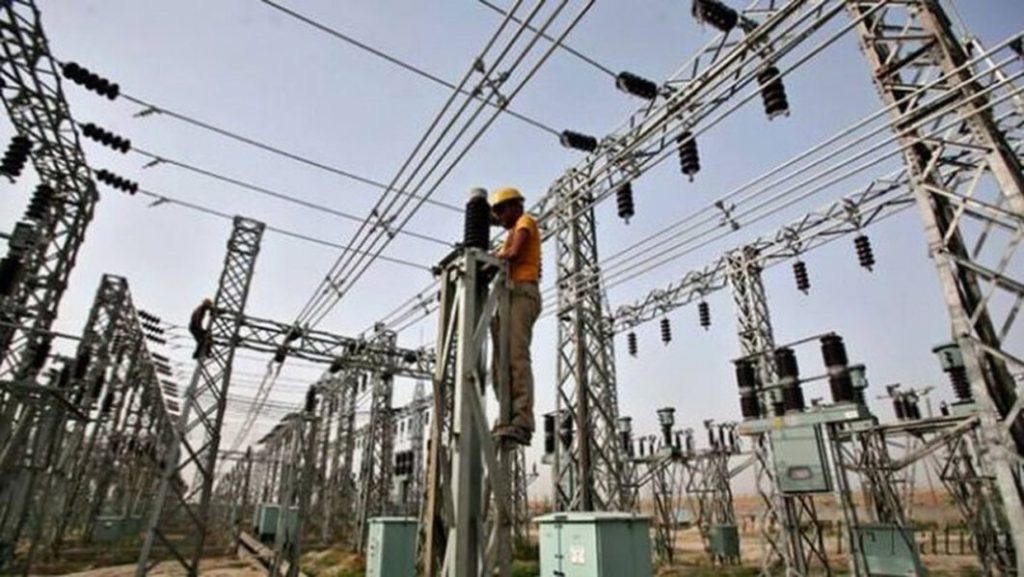
Electricity customers, especially roughly 30 percent of Nigerians, who live in urban centres would be subsidised to the tune of N2.4 trillion in 2025, yet generation will remain epileptic. The subsidy, which hovers around the same amount as last year, remained a hiding spot for a non-performing power industry where energy output remained abysmal and
Electricity customers, especially roughly 30 percent of Nigerians, who live in urban centres would be subsidised to the tune of N2.4 trillion in 2025, yet generation will remain epileptic.
The subsidy, which hovers around the same amount as last year, remained a hiding spot for a non-performing power industry where energy output remained abysmal and losses from the distribution corporations are on the high side.
Denying prospective rises in electricity rate, Special Adviser to the President on Energy, Olu Verheijen, who clarified that her previous comments on power sector reforms was misread, said roughly N200 billion subsidy is incurred monthly by the Federal Government.
“This is misrepresentation of what I said in a recent press interview. I noted that, following the increase in Band A pricing in 2024, current charges currently cover about 65 per cent of the real cost of supplying power, with the Federal Government continuing to pay the difference,” she said.
Verheijen highlighted that the government’s focus is on enhancing the electrical supply, minimizing outages, and protecting vulnerable Nigerians. She identified important targets, including the implementation of 7 million prepaid meters to remove estimated billing, revamping electricity subsidies to help low-income households, and resolving debts owing to power producing corporations.
According to her, the federal government spends over N200 billion each month on energy subsidies, yet much of the support affects the wealthiest 25 percent of Nigerians rather than those who actually need aid.
To address this, Verheijen said the federal government is working towards a tailored subsidy scheme to ensure that low-income households receive the most support.
“This approach will make electricity more affordable and accessible for millions of hardworking families,” she said. A breakdown of the subsidy across DisCos and grouping of their franchises going by the latest records from the Nigerian Electricity Regulatory Commission (NERC) showed that customers under the Abuja Electricity Distribution Company (AEDC), covering the FCT, Niger, and parts of Nasarawa would receive an estimated N29.1 billion monthly.
In Lagos, those under Eko Electricity Distribution Company (EKEDC) would receive N22.42 billion, while Ikeja Electric (IE) consumers get N26.68 billion.
South-South states under Port Harcourt Electricity Distribution Company (PHED) receive N14.84 billion, while Benin Electricity Distribution Company (BEDC) customers get N16.46 billion.
In the South East, Enugu Electricity Distribution Company (EEDC) customers receive from N16.12 billion in subsidies.In the North, Jos Electricity Distribution Company (JED) receives N12.77 billion, Kaduna Electricity Distribution Company (KAEDC) gets N14.49 billion, Yola Electricity Distribution Company (YEDC) receives N8.63 billion, and Kano Electricity Distribution Company (KEDCO) gets N13.58 billion.
Urban customers under the Ibadan Electricity Distribution Company (IBEDC) receive N24.55 billion in subsidies to raise the whole monthly subsidy to N200 billion and N2.4 trillion yearly.












Leave a Comment
Your email address will not be published. Required fields are marked with *