
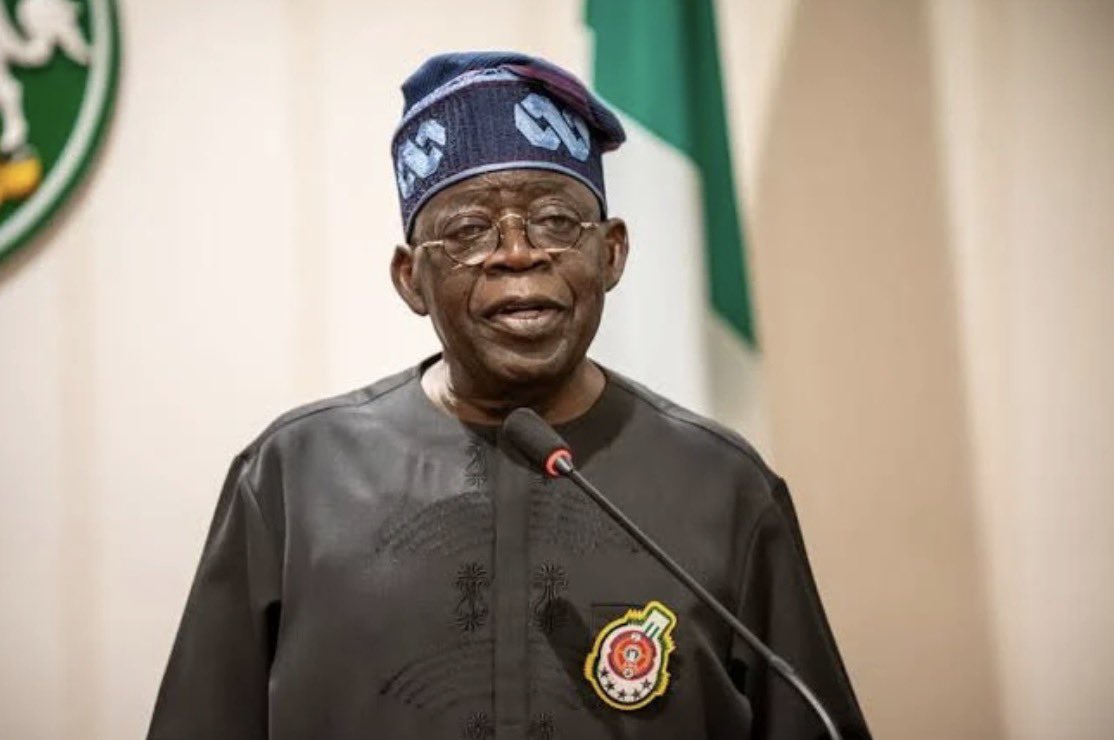
Abuja, Nigeria — President Bola Ahmed Tinubu has approved a major reduction in the outstanding debt owed to Nigeria’s Power Generation Companies (GenCos), cutting the figure from N6 trillion to N2.8 trillion in a move aimed at stabilizing the nation’s fragile electricity sector and preventing a looming shutdown of power plants across the country. The
Abuja, Nigeria — President Bola Ahmed Tinubu has approved a major reduction in the outstanding debt owed to Nigeria’s Power Generation Companies (GenCos), cutting the figure from N6 trillion to N2.8 trillion in a move aimed at stabilizing the nation’s fragile electricity sector and preventing a looming shutdown of power plants across the country.
The decision follows months of mounting pressure from electricity generation firms, which had warned that the huge backlog of unpaid invoices threatened their ability to continue operations. Industry stakeholders had repeatedly raised alarm over liquidity challenges in the power sector, saying the federal government’s inability to settle debts for electricity generated and supplied to the national grid was pushing GenCos to the brink.
Mexico Kills Notorious Drug Kingpin ‘El Mencho,’ Triggers Nationwide Cartel Violence
 blob:https://www.image2url.com/6b1201f1-93ee-44f9-bbeb-45816585e575
According to sources within the Ministry of Power, the approved N2.8 trillion represents a reconciled portion of verified debts after extensive audits and negotiations between government officials, the Nigerian Bulk Electricity Trading Company (NBET), and the Generation Companies. The reconciliation process reportedly identified discrepancies in the original N6 trillion claim, leading to the downward review.
A senior government official familiar with the development said the Tinubu administration is determined to restore investor confidence in the power sector while ensuring fiscal responsibility.
“The President understands the urgency of addressing the liquidity crisis in the power sector. However, it was necessary to verify the actual indebtedness before committing public funds. The reconciliation has now been concluded, and N2.8 trillion has been approved as the legitimate outstanding obligation,” the source disclosed.
The reduction comes at a critical time when Nigeria continues to struggle with erratic power supply, frequent grid collapses, and rising energy costs. Many GenCos had complained that they were unable to service loans, maintain equipment, or procure gas for power generation due to unpaid debts stretching back several years.
In recent months, electricity consumers across the country have experienced worsening outages, with businesses and households increasingly relying on generators and alternative energy sources. Energy analysts say the liquidity crisis has had a direct impact on power generation capacity, as some plants have been forced to operate below optimal levels.
Industry experts have described the development as a “welcome intervention,” but caution that settling the reduced debt alone will not resolve systemic challenges in the sector.
“The power sector’s problem goes beyond debt repayment. There are structural inefficiencies, transmission bottlenecks, gas supply issues, and revenue collection challenges. Addressing the GenCos’ debt is an important step, but comprehensive reforms are still needed,” an energy policy analyst in Lagos noted.
The Tinubu administration has repeatedly pledged to overhaul Nigeria’s power sector as part of broader economic reforms. Since assuming office, the government has initiated changes in electricity tariff structures, encouraged state-level participation in electricity markets following constitutional amendments, and sought private sector investment to boost generation and distribution capacity.
However, critics argue that while tariff adjustments have increased revenue for distribution companies, the burden has largely shifted to consumers without a commensurate improvement in power supply.
The approval of the N2.8 trillion payment is expected to be implemented in phases, possibly through a mix of cash payments and promissory notes, though officials have yet to release detailed modalities. Observers say the method of settlement will be crucial in determining how quickly GenCos can restore full operational capacity.
Meanwhile, power generation companies have welcomed the development, describing it as a sign of renewed commitment by the federal government to address longstanding issues in the electricity value chain. Some operators expressed optimism that the move would ease tensions between industry players and the government.
As Nigeria continues to grapple with energy shortages that hamper industrial growth and economic productivity, stakeholders say sustained policy consistency, transparent regulation, and timely payments across the value chain will be critical to achieving long-term stability.
With this latest intervention, President Tinubu signals a strategic effort to balance fiscal discipline with the urgent need to prevent further deterioration in the country’s power infrastructure — a sector widely regarded as central to Nigeria’s economic transformation agenda.



















Leave a Comment
Your email address will not be published. Required fields are marked with *