
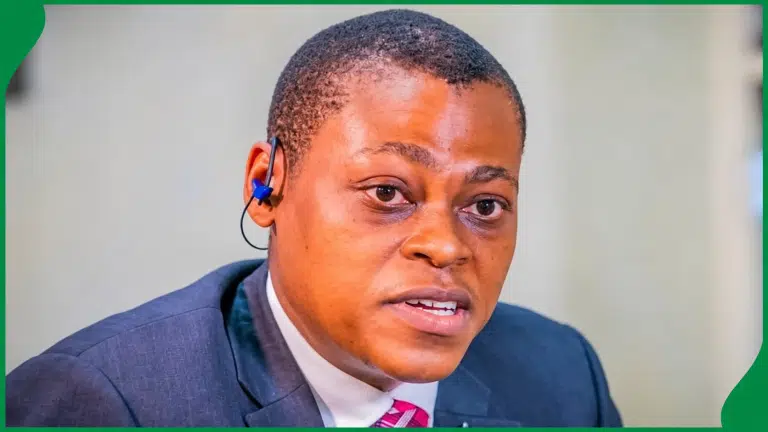
Subsidy Is Back, Rufai Oseni Says, Credits Atiku for Petrol Relief Debate Nigerian journalist Rufai Oseni has described the Federal Government-backed 30-day petrol discount at Nigerian National Petroleum Company Limited (NNPC) Retail outlets as a return of fuel subsidy, despite the government’s insistence that the initiative is a commercial price reduction. Speaking on ARISE Television’s
Subsidy Is Back, Rufai Oseni Says, Credits Atiku for Petrol Relief Debate
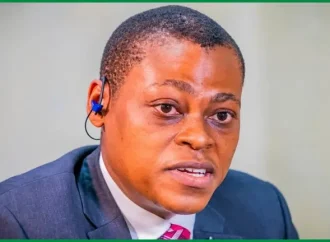
Nigerian journalist Rufai Oseni has described the Federal Government-backed 30-day petrol discount at Nigerian National Petroleum Company Limited (NNPC) Retail outlets as a return of fuel subsidy, despite the government’s insistence that the initiative is a commercial price reduction.
Speaking on ARISE Television’s The Morning Show on Friday, Oseni criticised what he described as the government’s inconsistency over fuel subsidy, arguing that the temporary discount raised questions about why similar relief measures had not been introduced earlier as petrol prices increased.
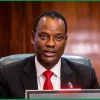
NNPC Petrol Discount Not Fuel Subsidy, Oyedele Explains
 blob:https://www.image2url.com/6b1201f1-93ee-44f9-bbeb-45816585e575
Oseni also urged Nigerians to acknowledge former Vice-President Atiku Abubakar, the African Democratic Congress (ADC) presidential candidate, for bringing the need to cushion the impact of rising petrol prices to the forefront of public debate. He referred to a September 18 speech in which Atiku reportedly said President Bola Tinubu could rename the intervention and take credit for it, provided it reduced the burden on Nigerians.
“Subsidy is back. Welcome back, subsidy,” Oseni said, insisting that describing the measure as a discount did not settle the question of who ultimately bears its cost. He also questioned whether the relief would continue after the 30-day period, suggesting that Nigerians should watch what happens when the temporary arrangement expires.
However, Finance Minister Taiwo Oyedele has rejected the claim that the initiative represents a return of fuel subsidy. He said NNPC Retail was funding the price reduction from its own profit margin while purchasing petrol from the Dangote Refinery and other suppliers at market prices. According to the minister, the arrangement does not involve public funds compensating the company for the discount.
The disagreement centres on the distinction between a retailer voluntarily reducing its profit margin and a government-funded subsidy. While Oseni argues that the discount raises questions about the economic meaning and timing of the intervention, Oyedele maintains that the company is making a commercial decision that could attract more customers and potentially increase overall sales.













Leave a Comment
Your email address will not be published. Required fields are marked with *