
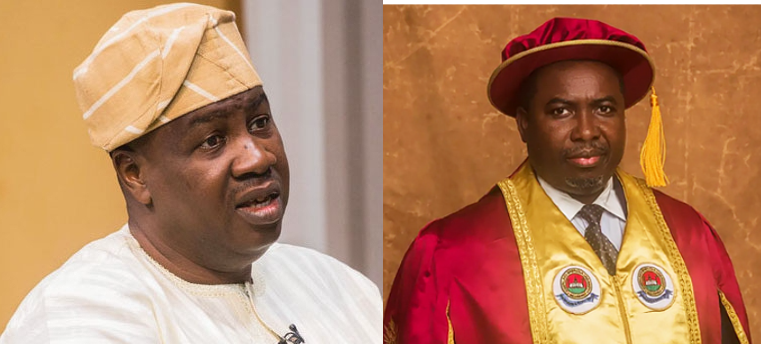
Lagos, Nigeria — Controversy erupted on Friday as prominent political analyst and activist Gbadamosi Babatunde publicly criticized the Chairman of the Independent National Electoral Commission (INEC), Amupitan, describing his leadership as a “complete, unqualified failure.” Babatunde drew parallels between Amupitan and President Bola Ahmed Tinubu, alleging that the INEC chairman reflects the same “corruption and
Lagos, Nigeria — Controversy erupted on Friday as prominent political analyst and activist Gbadamosi Babatunde publicly criticized the Chairman of the Independent National Electoral Commission (INEC), Amupitan, describing his leadership as a “complete, unqualified failure.” Babatunde drew parallels between Amupitan and President Bola Ahmed Tinubu, alleging that the INEC chairman reflects the same “corruption and inefficiency” associated with the president’s appointments.
President Tinubu Slashes Power Generation Companies’ Bill From N6tn To N2.8tn
Speaking at a political forum in Lagos, Babatunde expressed frustration over what he termed INEC’s inability to deliver credible and transparent elections, citing a series of controversies during past electoral exercises. “Your first assignment as INEC chairman was a complete, unqualified failure,” he said. “The same way Tinubu has surrounded himself with loyalists rather than competent people, you have mirrored that same problem. Nigerians deserve better.”
 blob:https://www.image2url.com/6b1201f1-93ee-44f9-bbeb-45816585e575
Babatunde further criticized the commission’s handling of voter registration, election logistics, and the integrity of results collation. According to him, the persistent operational failures undermine public trust in the electoral process and fuel political instability across the country.
“The people entrusted you with a sacred duty — to safeguard the integrity of our votes — and yet, you have delivered mediocrity. It’s not just about elections; it’s about the future of Nigerian democracy,” Babatunde added, warning that repeated incompetence could have long-term consequences for governance and national cohesion.
This is not the first time INEC leadership has come under intense scrutiny. Opposition parties, civil society groups, and electoral observers have frequently raised concerns over the commission’s preparedness, transparency, and impartiality, especially in highly contested states. Babatunde’s comments add to mounting pressure on Amupitan to justify his leadership and implement reforms aimed at strengthening the commission’s credibility.
In response to the criticism, INEC officials have yet to issue a public statement addressing Babatunde’s remarks. However, political insiders suggest that the commission may take steps to engage stakeholders and reassure the public ahead of upcoming local and national elections.
Analysts say that Babatunde’s direct confrontation reflects growing impatience among civil society leaders who fear that continued electoral mismanagement could erode democratic gains and exacerbate political tensions. “Voices like Babatunde’s are a reminder that citizens are paying attention and will hold leaders accountable,” said an Abuja-based political commentator.
As the debate intensifies, Nigerians are watching closely to see whether INEC under Amupitan can deliver credible, transparent, and efficient elections — a benchmark that Babatunde insists is non-negotiable for the survival of democracy in the country.
The political tension signals a critical moment for INEC and the Tinubu administration, highlighting the need for urgent reforms and enhanced accountability in the electoral process.




















Leave a Comment
Your email address will not be published. Required fields are marked with *