
Ann-Kio Briggs Slams Rivers State Administrator Ibas for Escalating Political Tensions Prominent Niger Delta human rights activist, Ann-Kio Briggs, has strongly condemned the recent actions of the Rivers State Administrator, Ibokette Ibas, accusing him of undermining President Bola Tinubu’s goals and worsening the already volatile political atmosphere in the state. Briggs made the remarks during
Ann-Kio Briggs Slams Rivers State Administrator Ibas for Escalating Political Tensions
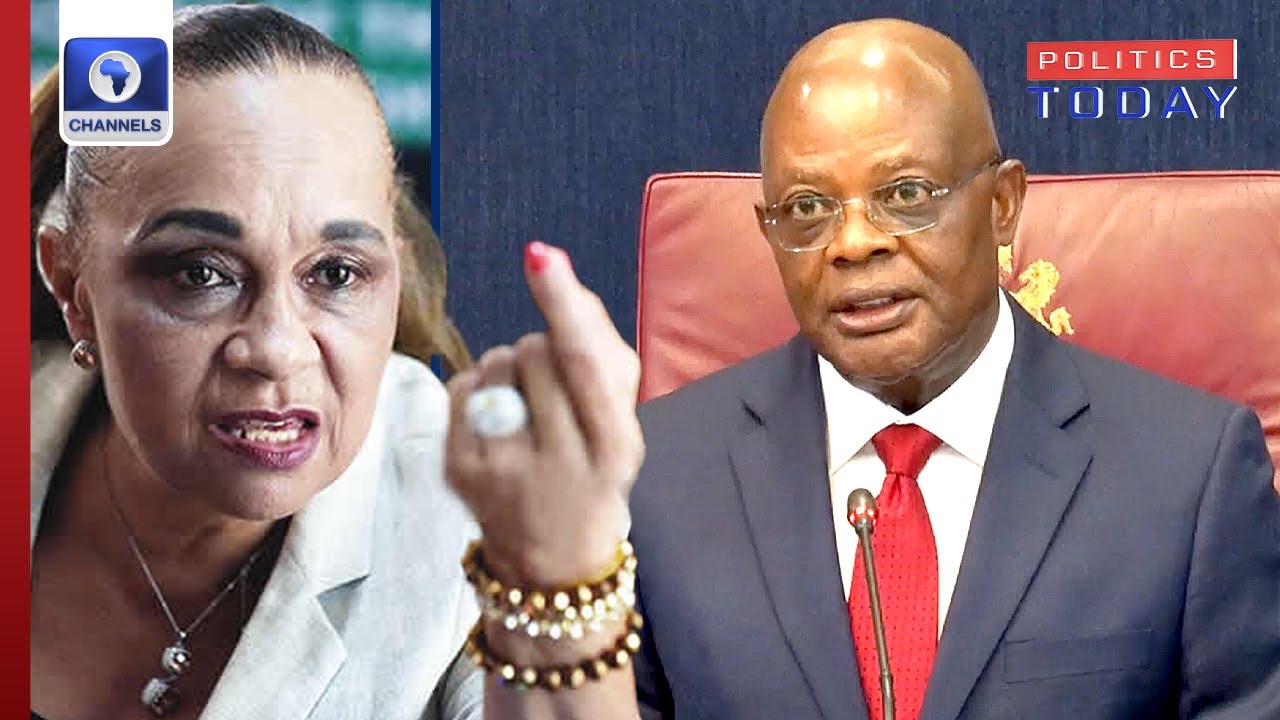
Prominent Niger Delta human rights activist, Ann-Kio Briggs, has strongly condemned the recent actions of the Rivers State Administrator, Ibokette Ibas, accusing him of undermining President Bola Tinubu’s goals and worsening the already volatile political atmosphere in the state.
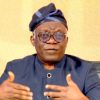
Briggs made the remarks during an appearance on Politics Today, a political affairs program on Channels Television, where she questioned the intentions and conduct of Ibas since his appointment.
 blob:https://www.image2url.com/6b1201f1-93ee-44f9-bbeb-45816585e575
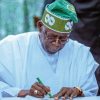
In March 2025, President Tinubu declared a state of emergency in Rivers State due to escalating political conflict between Governor Siminalayi Fubara and Federal Capital Territory (FCT) Minister, Nyesom Wike. Following this declaration, both Governor Fubara and his deputy, Ngozi Odu, were suspended, and Ibokette Ibas, a retired Chief of Naval Staff, was appointed as the state’s interim administrator.
FG Pushes To Halt Solar Panel Imports, Advocates Local Production Amid N200bn Cost Concerns
Activist Accuses Ibas of Contradicting Tinubu’s Peace Mission
During her interview, Briggs accused Ibas of deepening the crisis instead of helping to resolve it, which she argued was the original mandate given to him by the President.
“First of all, I can assure you that he is pouring petrol on a fire Mr. President believes that was on,” she said. “He was told to come and pour water on that fire, to quench it. Well, he has done nothing of the sort.”
According to Briggs, the administrator’s approach has been authoritarian and insensitive, allegedly involving the removal of democratically elected figures and the further erosion of public trust.
She went on to allege that Ibas had overstepped his mandate by taking symbolic actions that appear to delegitimize suspended Governor Fubara. Among the most provocative, she claimed, was the reported removal of Fubara’s official portraits from the government house in Port Harcourt.
“Even in the government house, it is alleged that he has removed the pictures of Siminalayi Fubara,” she stated. “I repeat, Siminalayi Fubara remains the governor of Rivers State.”
Briggs’ statement reinforces the sentiments of many in Rivers State who believe that despite his suspension, Fubara remains the legitimate elected leader and that his mandate cannot be nullified without due process.
Criticism of Ibas’ Conduct and Call for Presidential Reassessment
Briggs further criticized the administrator’s leadership style, accusing him of overseeing violence and political intimidation in the state. She suggested that the retired military officer was ill-suited for the task of fostering peace and restoring order.
“Ibas is presiding over a wave of unrest and violence in a state that needs healing, not militarization,” she said. “He is not welcome in Rivers State, not because of who he is, but because of the decisions he’s making.”
Despite the six-month timeframe of the state of emergency, Briggs argued that President Tinubu still holds the constitutional authority to reverse or shorten the emergency period if the administrator’s actions continue to deviate from the original objectives.
She urged the President to monitor developments in the state more closely and reconsider his decision, warning that prolonged instability could trigger deeper discontent among the populace.
“This situation is salvageable,” Briggs said. “But only if Mr. President listens to the voices on the ground, the people who live and breathe Rivers State, and not just the political elites.”
Political Uncertainty and Public Outcry
Since the declaration of the state of emergency, the political atmosphere in Rivers has remained tense. Many observers have raised concerns over the legal and democratic implications of suspending elected officials without clear transparency or judicial endorsement. Briggs’ statements echo a growing sentiment among civil society groups that military-style interventions and appointments may not offer a sustainable path to peace.
Briggs, known for her bold advocacy for the Niger Delta region, has long called for fairness, justice, and the recognition of local voices in governance. Her recent remarks serve as a rallying cry for democratic accountability and a demand for leadership that prioritizes unity and stability.
As the Rivers situation continues to unfold, the spotlight remains on President Tinubu and Administrator Ibas to steer the state back toward constitutional order and political reconciliation.










Leave a Comment
Your email address will not be published. Required fields are marked with *