
Bandit Attacks Force INEC Staff to Abandon Posts in Kwara, Raising Fears of Disenfranchisement The worsening wave of bandit attacks and kidnappings in Kwara State has thrown the ongoing Continuous Voter Registration (CVR) exercise into disarray, with reports indicating that staff of the Independent National Electoral Commission (INEC) in Patigi and Edu Local Government Areas
Bandit Attacks Force INEC Staff to Abandon Posts in Kwara, Raising Fears of Disenfranchisement
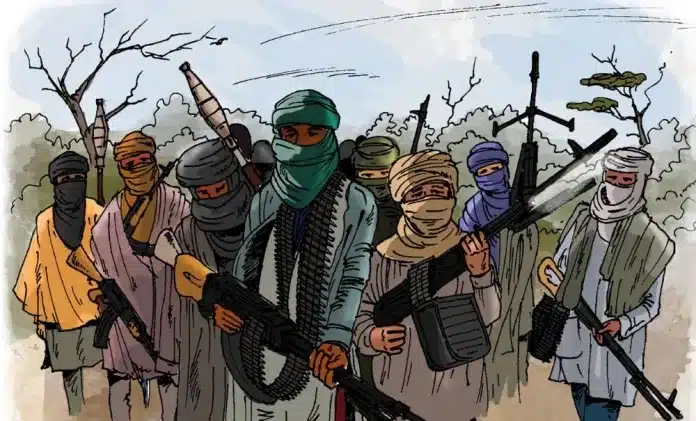
The worsening wave of bandit attacks and kidnappings in Kwara State has thrown the ongoing Continuous Voter Registration (CVR) exercise into disarray, with reports indicating that staff of the Independent National Electoral Commission (INEC) in Patigi and Edu Local Government Areas (LGAs) have abandoned their duty posts. Offices remain locked, and voter registration activities have been suspended in many volatile areas.
According to security sources, intelligence operatives had advised INEC staff to stay away from these high-risk zones, warning that electoral officers could easily become “soft targets” for armed gangs. The directive followed weeks of increased raids by gunmen across Kwara North, leaving communities in fear and residents unable to participate in the crucial electoral process.
 blob:https://www.image2url.com/6b1201f1-93ee-44f9-bbeb-45816585e575
Osun NULGE Denies Allegations Against President, Warns Of Legal Action
Communities Living in Fear
Residents confirmed that INEC offices in both Patigi and Edu LGAs have been shut for most of the week, frustrating citizens eager to register ahead of the 2027 general elections. “The INEC staff are scared. They don’t want to risk being kidnapped or attacked,” a local source told SaharaReporters.
Lade town in Patigi has reportedly been deserted following repeated raids by bandits. A resident lamented that people’s democratic rights were being stripped away by insecurity. “People are eager to register to vote and bring in a government that can guarantee their safety. But how can you risk going out to register when you’re not sure you’ll return home alive? The fear is real,” he said.
The fear has also been heightened by warnings that any abduction of INEC staff could trigger not only a national embarrassment but also pile more pressure on the Tinubu administration, already grappling with mounting security crises across the country.
INEC officials themselves are wary. One staff member, speaking anonymously, revealed that workers were instructed to seek clearance from security agencies before reporting for duty. “There is no assurance of our safety. The INEC chairman has said there is no money to pay ransom if anyone is kidnapped,” the official stated.
Community leaders have also echoed similar warnings, advising INEC staff to stay away from registration centers to avoid falling prey to bandits and their informants.
Accusations Against the Kwara State Government
In the midst of the crisis, Governor AbdulRahman AbdulRazaq has come under sharp criticism from residents, who accuse him of ignoring the plight of citizens. A community leader in Patigi alleged that the governor has chosen to prioritize foreign trips over local security concerns.
“The governor is junketing around the world while Kwara is burning. Right now, we hear he is in the United States on vacation, and he has refused to hand over to his deputy. Everyone here is left to their fate,” the leader said.
Such accusations reflect deep frustration among locals who believe the state government is failing in its constitutional duty to protect lives and property.
INEC’s Position on Abandonment Claims
Despite widespread reports, Kwara’s Resident Electoral Commissioner (REC), Dr. Hale Gabriel Longpet, denied that INEC staff had fully abandoned their duty posts. While admitting that there were initial concerns on August 25, the first day of voter registration, he stressed that security agencies had since deployed personnel to protect INEC facilities.
“We receive reports every day of registration taking place in Edu and Patigi. The turnout might be slow, but when there is an atmosphere of insecurity, people naturally avoid gathering in large numbers,” Longpet explained.
He further clarified that voter registration is limited to INEC’s local government headquarters within townships, not in remote rural communities, where security risks remain highest. “Yes, people are cautious, but our staff are still on ground. I would prefer that you get eyewitness accounts rather than rely on speculation and hearsay,” the REC insisted.
The Risk of Mass Disenfranchisement
Despite INEC’s assurances, the reality on the ground paints a different picture. Fear continues to spread across Kwara North, with residents hesitant to visit registration centers. Civil society groups have warned that unless urgent steps are taken to address insecurity, thousands of eligible voters could be disenfranchised ahead of the 2027 elections.
The CVR exercise, which began in August, is a critical step in preparing for Nigeria’s next general elections. However, low turnout in areas plagued by insecurity threatens to weaken representation, particularly in rural communities. Analysts warn that such voter suppression, if unchecked, could erode public confidence in the electoral process.
For now, the registration exercise is ongoing, but participation continues to shrink as insecurity drives citizens away. The longer the crisis persists, the more difficult it will be for INEC to achieve nationwide inclusivity in voter registration.
The situation in Kwara State underscores the broader security challenge facing Nigeria. As bandits tighten their grip on rural communities, electoral officers and citizens alike are caught in a dilemma—choosing between safety and exercising their democratic rights.
Experts argue that urgent intervention is needed, including a coordinated security response and stronger community-policing mechanisms. Without these measures, the risk of mass voter disenfranchisement looms large, threatening the credibility of Nigeria’s democratic system.
With the 2027 elections still years away, stakeholders believe there is time to act decisively. However, without immediate security guarantees, the current climate of fear may persist, leaving thousands unable or unwilling to participate in one of the most important democratic exercises.
For now, residents of Patigi and Edu LGAs remain trapped between fear and frustration, waiting for both state and federal authorities to take action that can restore confidence and ensure their voices are not silenced at the ballot box.






















Leave a Comment
Your email address will not be published. Required fields are marked with *