
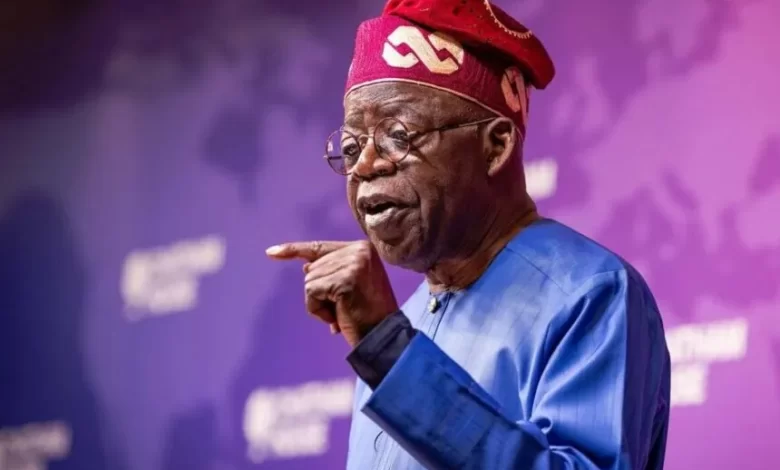
President Bola Ahmed Tinubu has expressed confidence in Nigeria’s economic direction, stating that the country closed the year 2025 on a strong footing despite persistent global and domestic challenges. The president made the assertion while reflecting on economic performance, fiscal reforms, and governance outcomes achieved over the year. According to Tinubu, 2025 was marked
President Bola Ahmed Tinubu has expressed confidence in Nigeria’s economic direction, stating that the country closed the year 2025 on a strong footing despite persistent global and domestic challenges. The president made the assertion while reflecting on economic performance, fiscal reforms, and governance outcomes achieved over the year.
According to Tinubu, 2025 was marked by significant global headwinds, including inflationary pressures, fluctuating energy prices, tightening financial conditions, and geopolitical tensions that affected emerging economies worldwide. He noted that Nigeria was not insulated from these pressures but managed to navigate them through policy discipline and reform-driven governance.
 blob:https://www.image2url.com/6b1201f1-93ee-44f9-bbeb-45816585e575
Rivers Government Defends N100,000 Christmas Bonus For Public Servants
The president said the resilience shown by the Nigerian economy was a testament to difficult but necessary decisions taken by his administration. He pointed to macroeconomic stabilization efforts, revenue reforms, and renewed investor confidence as indicators that the country ended the year stronger than it began.
Tinubu emphasized that while challenges remain, the foundations laid in 2025 have positioned Nigeria for more sustainable growth in subsequent years.
Despite Difficult Global Conditions, Reforms Defined 2025
President Tinubu highlighted that economic reforms implemented during the year were central to Nigeria’s performance despite the difficult global environment. He noted that fiscal adjustments, subsidy reforms, and efforts to unify exchange rate mechanisms were aimed at restoring confidence and correcting long-standing structural imbalances.
According to the president, these reforms were not painless, particularly for households and businesses adjusting to higher costs. However, he argued that the measures were necessary to prevent deeper economic instability and to create a more transparent and competitive economy.
Tinubu also cited improvements in government revenue generation and expenditure efficiency as key outcomes of the reform agenda. He said enhanced revenue collection helped the government meet obligations, fund critical infrastructure projects, and maintain social intervention programs targeted at vulnerable citizens.
On the external front, the president said Nigeria recorded stronger engagement with international partners and investors in 2025. He noted that renewed interest in the energy, agriculture, and technology sectors reflected growing confidence in Nigeria’s long-term prospects, even as global capital flows remained cautious.
The president further acknowledged the role of the private sector, state governments, and organized labour in managing the transition period. He said dialogue and collaboration were essential in navigating the pressures that accompanied economic reforms.
Tinubu stressed that security improvements and ongoing efforts to strengthen institutions also contributed to stabilizing the business environment. According to him, progress in these areas helped reduce uncertainties that often discourage investment and economic activity.
While projecting optimism, the president cautioned against complacency. He said the gains recorded in 2025 must be consolidated through consistent policies, discipline, and accountability across all levels of government.
He added that his administration remains focused on inclusive growth, job creation, and poverty reduction as priorities moving forward. Tinubu assured Nigerians that lessons learned from managing global headwinds in 2025 would guide decision-making in the years ahead.
As Nigeria looks beyond 2025, the president maintained that resilience, reform, and shared responsibility would remain central to the country’s economic strategy, even as global uncertainties continue to shape the international landscape.

















Leave a Comment
Your email address will not be published. Required fields are marked with *