
Haitian Food Vendor Poisons 40 Gang Members in Shocking Act of Revenge In a dramatic and chilling tale of personal vengeance, a female food vendor in Haiti has reportedly poisoned and killed 40 gang members in the Kenscoff district of Port-au-Prince, the country’s capital. The woman, whose identity remains undisclosed for her protection, allegedly carried
Haitian Food Vendor Poisons 40 Gang Members in Shocking Act of Revenge
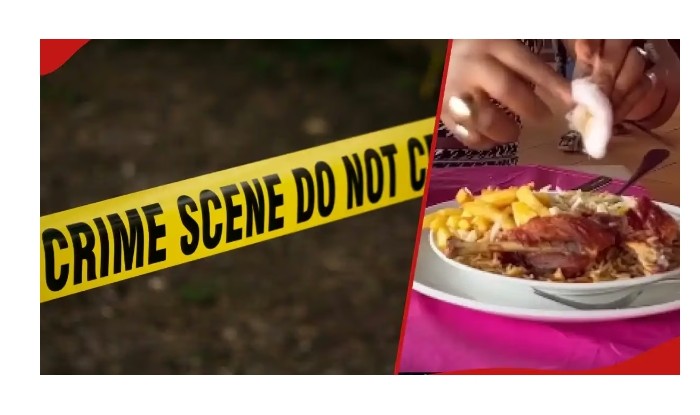
In a dramatic and chilling tale of personal vengeance, a female food vendor in Haiti has reportedly poisoned and killed 40 gang members in the Kenscoff district of Port-au-Prince, the country’s capital. The woman, whose identity remains undisclosed for her protection, allegedly carried out the mass poisoning as revenge for the murder of several of her family members by the same gang.
Haiti, a nation long plagued by gang violence, corruption, and political instability, has seen countless citizens fall victim to brutal street gangs that operate with near impunity. In this grim reality, most residents live in fear, rarely daring to challenge these armed groups. However, this particular woman defied the odds and took justice into her own hands.
 blob:https://www.image2url.com/6b1201f1-93ee-44f9-bbeb-45816585e575
According to local media reports, the woman was a well-known food vendor who regularly sold a popular delicacy in the Kenscoff area. Gaining the trust of the community over the years, she had become a familiar face to many, including members of the notorious ‘Viv Ansanm’ gang—a powerful group allegedly tied to infamous crime lord Jimmy Cherizier, also known as ‘Barbecue’.
The woman invited dozens of these gang members to a special meal, offering her signature dish free of charge. Posing as an appreciative community member, she claimed the food was her way of thanking the gang for “protecting her neighbourhood.”
However, behind her seeming generosity lay a well-orchestrated plan for revenge. The food had been laced with a potent industrial insecticide—deadly enough to act quickly and leave little time for intervention.
Mass Poisoning Claims Dozens of Lives
Shortly after consuming the poisoned food, the gang members reportedly began experiencing intense abdominal pain, vomiting, and other symptoms of severe poisoning. Despite their attempts to seek medical assistance, none of the 40 victims survived the ordeal.
The incident sent shockwaves through Port-au-Prince and made international headlines, not just for the scale of the deaths, but for the audacity and tactical precision with which the woman executed her plan.
The fallout was swift and violent. Fearing retaliation, the woman fled her home in Kenscoff immediately after the incident—a move that may have saved her life. Her house was burned down in the hours following the poisoning, presumably by other members of the gang or their sympathizers seeking revenge for their fallen comrades.
Despite going into hiding, the woman later turned herself in to the Haitian police. In her confession, she admitted to acting alone in planning and carrying out the killings. Her motivation, she told authorities, stemmed from personal grief and a burning need for justice after losing several loved ones to gang violence.
The event has stirred intense debate both in Haiti and abroad. While some condemn the act as vigilante justice that bypasses legal frameworks, others have praised the woman as a symbol of resistance in a country where lawful redress often feels out of reach for ordinary citizens.
The authorities have yet to clarify whether the woman will face criminal charges. Haitian law prohibits murder, regardless of the victims’ backgrounds, but the current state of the country’s judicial system—stretched thin by ongoing gang warfare and political unrest—raises questions about how the case will proceed.
This unprecedented incident highlights the extreme conditions under which many Haitians live. The country has descended into near lawlessness in many areas, with gangs exerting control over neighborhoods, extorting businesses, and even replacing the functions of the state in some regions.
Former police officer turned gang leader Jimmy Cherizier, or ‘Barbecue’, has become a symbol of the breakdown in order. His grip over parts of Port-au-Prince and his connections to multiple gang networks make him one of the most feared figures in Haiti today.
In such a climate, citizens feel abandoned by both national institutions and the international community. With law enforcement overwhelmed and justice often inaccessible, desperate acts like the one committed by the food vendor are increasingly viewed as the only means of achieving any form of justice.
The poisoning of 40 gang members by a grieving woman seeking vengeance is a tragic yet stark illustration of the lawlessness gripping Haiti. While the act itself was lethal and premeditated, it reflects the growing desperation among citizens who have endured endless cycles of violence and impunity.
This case raises critical questions about the future of justice, governance, and civil order in Haiti. As the country continues to battle widespread gang control, the international spotlight now turns toward this brave and broken nation—still searching for peace amid the chaos.






















Leave a Comment
Your email address will not be published. Required fields are marked with *