
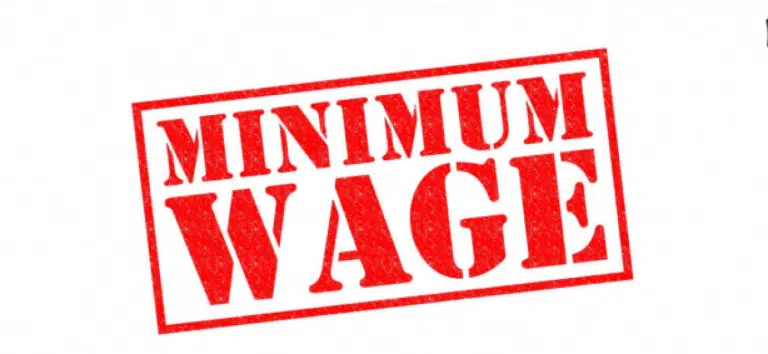
Organised labour in Nigeria has announced plans to begin negotiations for a new national minimum wage in July 2026, citing worsening economic conditions and the declining value of the current ₦70,000 benchmark. The position was jointly stated by the Nigeria Labour Congress and the Trade Union Congress during a press briefing on the sidelines
Organised labour in Nigeria has announced plans to begin negotiations for a new national minimum wage in July 2026, citing worsening economic conditions and the declining value of the current ₦70,000 benchmark.
The position was jointly stated by the Nigeria Labour Congress and the Trade Union Congress during a press briefing on the sidelines of the 114th International Labour Conference in Geneva, Switzerland.
 blob:https://www.image2url.com/6b1201f1-93ee-44f9-bbeb-45816585e575
According to the labour unions, the existing minimum wage is no longer sufficient to meet the basic living needs of Nigerian workers, given rising inflation, transportation costs, and general economic hardship across the country.
They stressed that while discussions about wage adjustments are necessary, the process must follow proper negotiation channels involving all stakeholders, including the federal and state governments.
Labour leaders also acknowledged recent statements by state governors indicating support for a possible wage increase but cautioned against rushing to announce figures without due process.
They urged government officials to allow structured negotiations to determine a realistic and sustainable new minimum wage that reflects Nigeria’s current economic realities.
The unions also commended the federal government for restoring the payment of gratuity to workers, while calling for the prompt settlement of outstanding arrears owed to retirees.
You Are Delusional – ACF Blasts Kwankwaso Over ‘New Messiah’ Claim
The announcement comes amid growing debate over wage levels, following earlier reports that the Nigeria Governors Forum had suggested a new minimum wage of ₦100,000.
The proposal was reportedly supported by NGF Chairman and Kwara State Governor, AbdulRahman AbdulRazaq, who said state governors recognise the need to improve workers’ welfare in the face of rising cost of living pressures.
He noted that state governments are already engaging with the federal government and labour unions to reach a sustainable agreement that balances workers’ welfare with fiscal realities.
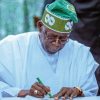
AbdulRazaq also reaffirmed the governors’ support for ongoing economic reforms introduced by President Bola Tinubu, describing them as necessary steps toward stabilising the economy.
As negotiations approach, the issue of minimum wage is expected to become a major national policy debate, particularly as inflation and living costs continue to affect millions of Nigerian workers.
Analysts say the outcome of the 2026 negotiation cycle could significantly influence labour relations, government spending, and broader economic planning in the coming years.















Leave a Comment
Your email address will not be published. Required fields are marked with *