
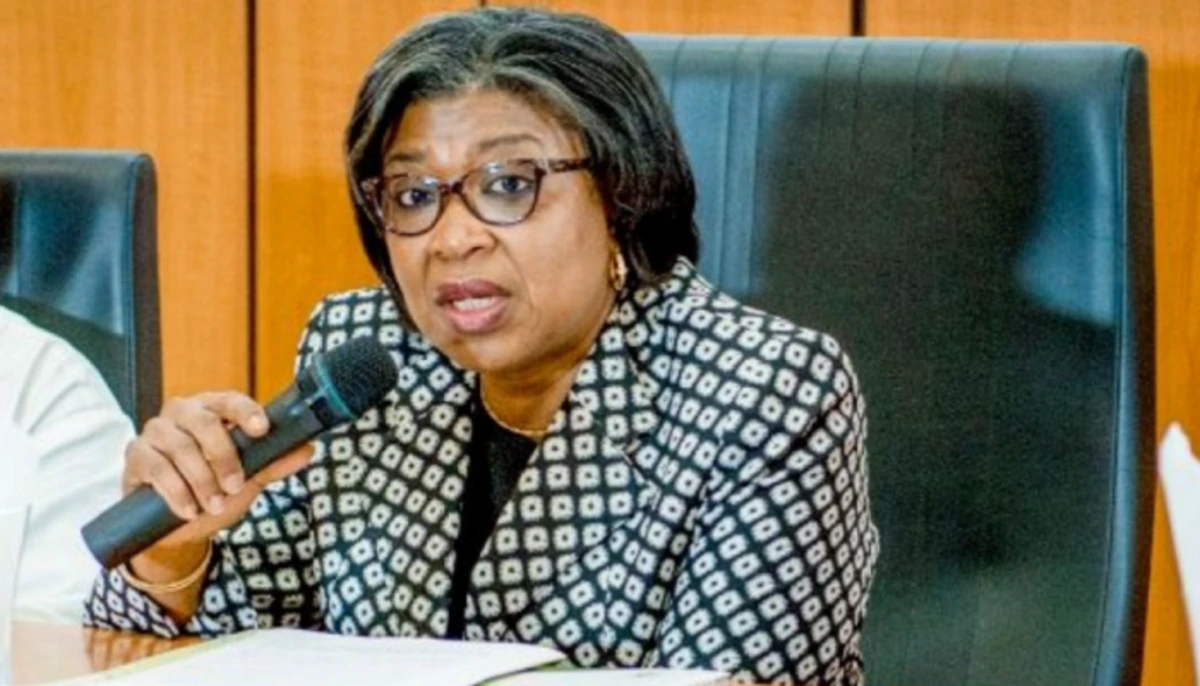
ABUJA – Lagos State, the Federal Capital Territory (FCT) and Rivers State accounted for more than 43 per cent of the ₦4.52 trillion domestic debt owed by Nigeria's 36 states and the FCT as of March 31, 2026, according to the latest data released by the Debt Management Office (DMO). Fake Cleric Arrested For Allegedly
ABUJA – Lagos State, the Federal Capital Territory (FCT) and Rivers State accounted for more than 43 per cent of the ₦4.52 trillion domestic debt owed by Nigeria’s 36 states and the FCT as of March 31, 2026, according to the latest data released by the Debt Management Office (DMO).
Fake Cleric Arrested For Allegedly Defrauding 18 Worshippers Of ₦2.5 Million Across Ogun, Osun, Oyo
The DMO’s first-quarter 2026 domestic debt report showed that the three jurisdictions recorded a combined debt stock of ₦1.96 trillion, representing 43.27 per cent of the total domestic debt owed by sub-national governments. The figures also revealed a significant concentration of domestic debt among a handful of states, with Lagos State alone accounting for more than a quarter of the total debt stock.
 blob:https://www.image2url.com/6b1201f1-93ee-44f9-bbeb-45816585e575
According to the report, Lagos State remained the highest domestic debtor with ₦1.21 trillion, representing about 26.6 per cent of the total domestic debt. The Federal Capital Territory (FCT) followed with ₦389.88 billion, while Rivers State ranked third with ₦362.43 billion. Other states with high domestic debt include Delta State with ₦213.85 billion and Ogun State with ₦200.75 billion, making the five largest debtors responsible for a substantial share of the country’s sub-national domestic debt.
At the other end of the scale, Jigawa State recorded the lowest domestic debt at ₦1.60 billion, followed by Ondo State with ₦7.31 billion and Anambra State with ₦9.62 billion. Other states with relatively low debt levels include Ebonyi (₦12.30 billion), Katsina (₦12.69 billion) and Kebbi (₦14.58 billion), highlighting the wide disparity in borrowing levels among Nigeria’s states.
The DMO further disclosed that the combined domestic debt stock of the states and the FCT rose by ₦163.25 billion, representing an increase of about 3.7 per cent, between December 2025 and March 2026. The FCT recorded the sharpest increase, with its debt almost doubling from ₦188.86 billion in December 2025 to ₦389.88 billion in March 2026. Edo State also witnessed a significant rise, with its domestic debt increasing from ₦91.18 billion to ₦172.37 billion, while Borno State recorded an increase from ₦42.64 billion to ₦88.44 billion. Yobe State’s debt also climbed from ₦81 billion to ₦98.59 billion during the same period.
Despite the overall increase, some of the country’s biggest debtors reduced their domestic obligations. Lagos State’s debt declined slightly from ₦1.22 trillion in December 2025 to ₦1.21 trillion in March 2026. Rivers State’s debt fell from ₦378.81 billion to ₦362.43 billion, while Delta State reduced its debt from ₦248.83 billion to ₦213.85 billion. Ogun State also recorded a decline from ₦227.47 billion to ₦200.75 billion.
The DMO noted that the total domestic debt of the 36 states and the FCT stood at ₦4.36 trillion as of December 2025, compared to ₦4.52 trillion in the first quarter of 2026, underscoring continued reliance on domestic borrowing by sub-national governments to finance infrastructure, recurrent expenditure and development projects amid persistent fiscal pressures.



















Leave a Comment
Your email address will not be published. Required fields are marked with *