
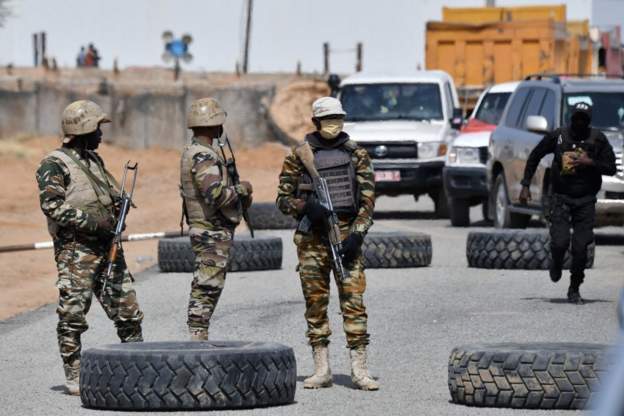
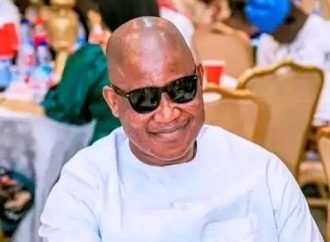
Niger’s former Minister of Petroleum, Mahaman Moustapha Barke, has been released from detention nearly one year after his arrest by the country’s military authorities, marking a rare development amid ongoing concerns over political repression under the junta. Family members and close associates confirmed his release on Tuesday, though official details surrounding both his detention
Niger’s former Minister of Petroleum, Mahaman Moustapha Barke, has been released from detention nearly one year after his arrest by the country’s military authorities, marking a rare development amid ongoing concerns over political repression under the junta. Family members and close associates confirmed his release on Tuesday, though official details surrounding both his detention and freedom remain undisclosed.
A relative of the former minister, who spoke on condition of anonymity due to security concerns, said Barke regained his freedom earlier in the day. The development was also independently confirmed by a former aide, according to Daily Post. As of press time, Niger’s military leadership had not issued any formal statement explaining the reasons for his initial arrest or the circumstances under which he was released.
 blob:https://www.image2url.com/6b1201f1-93ee-44f9-bbeb-45816585e575
Michael Reagan, Eldest Son Of Former US President Ronald Reagan, Dies At 80
Mahaman Moustapha Barke was appointed Minister of Petroleum in 2023 by Niger’s ruling military authorities, shortly after the coup that toppled the country’s civilian government. His appointment came at a critical time, as the junta sought to consolidate power and reassure both domestic and international audiences about governance in the strategically important energy sector. However, his tenure was short-lived, as he was later arrested under unclear conditions, fueling speculation and concern within political and diplomatic circles.
Niger Junta Faces Scrutiny Over Detentions
The silence surrounding Barke’s detention and release reflects a broader pattern under Niger’s military rulers, who have frequently refrained from publicly justifying arrests of former officials and perceived critics. Since seizing power, the junta has faced sustained criticism from local and international human rights organisations over alleged repression of political opponents, journalists, and other dissenting voices.
Rights groups have repeatedly accused the authorities of arbitrary detentions, restrictions on press freedom, and the suppression of political pluralism. In many cases, detainees have reportedly been held without charge or access to transparent legal processes, raising concerns about the rule of law in the West African nation.
Barke’s release, while welcomed by his family and associates, has not been accompanied by any indication of whether he has been cleared of wrongdoing or if conditions were attached to his freedom. Observers note that such opacity has become characteristic of governance under the junta, making it difficult to assess whether releases signal a policy shift or are isolated decisions.
Meanwhile, Niger’s authorities announced a change in leadership at the Ministry of Petroleum on Tuesday. Hamadou Tinni has been appointed as the new Minister of Petroleum, replacing Sahabi Oumarou, who assumed the position in 2024 following Barke’s removal. The appointment is seen as part of ongoing efforts by the military government to stabilize and reorganize key sectors of the economy, particularly the oil and energy industry, which is vital to Niger’s revenue generation.
The petroleum sector has taken on increased importance for Niger amid strained relations with regional and Western partners, as the country seeks to diversify its economic alliances and maintain fiscal stability. Frequent leadership changes, however, have raised concerns among analysts about policy continuity and investor confidence.
For many observers, Barke’s release underscores the unpredictable nature of political life under Niger’s military rule. While it may ease tensions within certain circles, the lack of transparency continues to draw criticism and uncertainty. As the junta navigates both domestic pressures and international scrutiny, developments such as this are likely to be closely watched for signs of broader changes in governance and respect for civil liberties.
Created with AIMONEYGEN.COM – “Visit GPTS Collection”
















Leave a Comment
Your email address will not be published. Required fields are marked with *