
Nigeria Immigration Service Unveils Centralised Passport Centre, Boosts Daily Production to 5,000 In a landmark step toward modernizing Nigeria’s travel document system, the Nigeria Immigration Service (NIS) has launched a Centralized Passport Personalization Center in Abuja, significantly raising the country’s daily passport production capacity from about 300 to 5,000. The announcement was made on Thursday
Nigeria Immigration Service Unveils Centralised Passport Centre, Boosts Daily Production to 5,000

In a landmark step toward modernizing Nigeria’s travel document system, the Nigeria Immigration Service (NIS) has launched a Centralized Passport Personalization Center in Abuja, significantly raising the country’s daily passport production capacity from about 300 to 5,000.
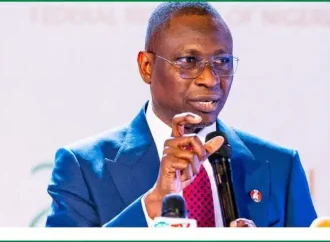
The announcement was made on Thursday by the Minister of Interior, Dr. Olubunmi Tunji-Ojo, during an inspection tour of the facility at the NIS Headquarters. He described the development as “a major milestone” in Nigeria’s 62-year history of passport issuance.
 blob:https://www.image2url.com/6b1201f1-93ee-44f9-bbeb-45816585e575
Osun PDP Demands Probe Into Controversial Federal High Court Letters
From Outdated Machines to a Centralised System
For decades, passport processing in Nigeria was hindered by outdated, decentralised machines that could only produce between 250 and 300 passports daily. This often resulted in massive backlogs, long delays, and widespread frustration for applicants.
The new centralised system, however, has transformed the process. According to Tunji-Ojo, the facility can now personalise between 4,500 and 5,000 passports every day, with each batch completed within four to five hours of operation.
“This is a game-changer for passport processing in Nigeria. We promised two-week delivery, and we’re now pushing for one week,” the minister declared. He stressed that automation and optimisation would be key to fulfilling this promise to Nigerians at home and abroad.
Passport Reform in Line with Global Standards
Dr. Tunji-Ojo highlighted that this is the first time since the establishment of NIS in 1963 that the country is operating a centralised passport production system. By consolidating production, the system is expected to deliver greater uniformity, improve efficiency, and enhance the integrity of Nigerian passports globally.
“Today, for the first time in our history, we are producing passports through a centralised system, in line with international standards. This reform will ensure that Nigerian passports are trusted worldwide, both in quality and security features,” he explained.
The minister also noted that the centralisation of the passport system is part of President Bola Tinubu’s broader reform agenda, which focuses on strengthening service delivery, leveraging technology, and rebuilding citizens’ confidence in government institutions.
“This development is not just about producing passports; it is about restoring pride and creating a service Nigerians can be proud of,” he said.
Tackling Backlogs and Delays
The NIS has in recent years faced mounting criticism over recurring delays in passport issuance, with applicants often waiting months to collect their documents. Many Nigerians have also accused middlemen of exploiting the inefficiencies in the system, further compounding frustrations.
With the new centre, the government believes these problems will be drastically reduced. By centralising and digitising production, the NIS can now process applications faster, reduce human interference, and create a transparent system less prone to abuse.
“We are building a system that makes passport delivery predictable and efficient. The days of waiting endlessly for passports are over,” Tunji-Ojo affirmed.
Boosting Nigeria’s Image Abroad
The integrity of Nigeria’s passport has been a matter of concern internationally, with reports of document fraud affecting the country’s reputation. The minister assured that the new system incorporates enhanced security features, making the Nigerian passport more globally respected.
“A strong passport system reflects a strong nation. What we have now is not just about numbers, but about credibility. Nigerian passports will now stand shoulder-to-shoulder with those of other nations in terms of quality, durability, and integrity,” Tunji-Ojo stated.
He added that the centralised centre is also designed to scale up as demand increases, ensuring that Nigeria can meet both domestic needs and the requirements of its large diaspora population.
President Tinubu’s Reform Agenda
The launch of the Centralised Passport Personalisation Centre forms part of President Tinubu’s promise to reform critical sectors of governance and deliver people-centered services. By improving passport processing, the government aims to rebuild citizens’ trust in public institutions and demonstrate that efficiency is possible in Nigeria’s civil service.
“This reform speaks directly to Mr. President’s vision of a government that works for the people. We are building systems that reduce inefficiency and make life easier for Nigerians,” Tunji-Ojo noted.
With the centralisation of passport production, the government is now focused on expanding enrolment centres, particularly in diaspora communities, to ensure that Nigerians abroad also benefit from the reform. Officials believe that with the current infrastructure, Nigeria is on course to not only meet current demand but also prepare for future growth.
The Minister of Interior assured that further improvements would continue, including integration with national identity databases and enhanced digital platforms for application and tracking. These measures, he said, would bring Nigeria closer to the global best practices in travel documentation.
The establishment of the Centralised Passport Personalisation Centre in Abuja marks a turning point in Nigeria’s passport issuance history. From producing fewer than 300 passports daily with outdated machines to a new capacity of 5,000 passports per day, the reform signals a future of efficiency, transparency, and global credibility.
For millions of Nigerians who have endured years of frustrating delays, the development is a welcome relief. More importantly, it represents a broader commitment by the government to rebuild trust, modernise institutions, and deliver on its promise of better service delivery.
As Dr. Tunji-Ojo aptly concluded, “This is about more than passports. It is about national pride, government efficiency, and the promise of a new Nigeria.”





















Leave a Comment
Your email address will not be published. Required fields are marked with *