
Oxfam Raises Alarm Over Deepening Inequality in Nigeria: 83 Million Poor, 10% Control 90% of Wealth Oxfam – Nigeria’s deepening inequality continues to trap millions in poverty while concentrating the nation’s wealth in the hands of a privileged few, according to John Makina, Country Director of Oxfam in Nigeria. Speaking on Thursday in Abuja at
Oxfam Raises Alarm Over Deepening Inequality in Nigeria: 83 Million Poor, 10% Control 90% of Wealth
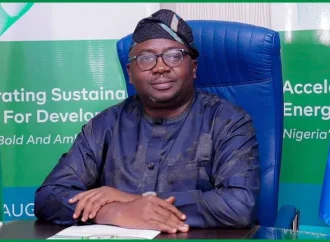
Oxfam – Nigeria’s deepening inequality continues to trap millions in poverty while concentrating the nation’s wealth in the hands of a privileged few, according to John Makina, Country Director of Oxfam in Nigeria. Speaking on Thursday in Abuja at a policy dialogue titled “The Next 90%: Youth, Policy & A Fairer Nigeria”, Makina warned that urgent action is needed to reverse the country’s economic and political imbalances.
The event brought together lawmakers, ministry officials, diplomats, development partners, and civil society representatives to discuss how Nigeria can create a fairer and more inclusive society.
 blob:https://www.image2url.com/6b1201f1-93ee-44f9-bbeb-45816585e575
Peter Obi Demands Clarity on $500m Airport Loan As FG Approves N712bn For Lagos Terminal Renovation
Wealth Concentration and Widespread Poverty
Makina highlighted staggering disparities in resource distribution. “The top 10 per cent controls an overwhelming 90 per cent of our country’s resources, and over 83 million Nigerians live on less than N3,100 — or about $2 — a day,” he said. This reality, he explained, means that millions of families cannot afford basic necessities such as quality education, healthcare, or adequate housing.
He stressed that inequality in Nigeria is not a natural condition but the direct outcome of “deliberate policies and inaction by those in power.”

Youth and Women Marginalisation
Makina lamented that Nigeria’s political system remains largely closed to young people, pointing out that “there is currently no one under the age of 35 in Nigeria’s federal cabinet.” This exclusion, he said, wastes the potential of a generation that could drive innovation and growth.
He also highlighted gender inequality in governance. Women hold only 4.2 per cent of seats in the National Assembly, despite being the backbone of rural agriculture. The gender literacy gap remains wide, with only 35 per cent of women able to read and write compared to 59.5 per cent of men. In northern Nigeria, more than two-thirds of teenage girls are illiterate, and women own just 13 per cent of arable land.
“Including young people and women in decision-making is not just about fairness—it is about economic and social necessity,” Makina emphasised.
Fiscal Policies and Corporate Privileges
Oxfam criticised Nigeria’s fiscal priorities, revealing that in 2024 the country lost over N5 trillion in tax incentives granted to large corporations—equivalent to 18.5 per cent of the federal budget.
Makina called for sweeping reforms, including:
- Wealth and excess profit taxes
- Stronger regulation of corporations
- Breaking monopolies
- Greater investment in public services
“To address youth challenges, we need progressive labour policies that promote decent work and fair pay,” he said, adding that the national minimum wage should be tied to the real cost of living.
Informal Economy and Employment Challenges
About 65 per cent of Nigeria’s workforce operates in the informal sector. Makina argued that providing access to credit, training, and social protection could formalise these businesses and improve livelihoods.
Reducing vulnerable employment, which affects over half of young Nigerians, is equally crucial. He recommended targeted support for small and medium-sized enterprises (SMEs) through easier registration processes, tax incentives, skills training, and credit facilities.
Inequality Amid Economic Struggles
Over the past decade, Nigeria’s economic inequality has worsened despite repeated government pledges to address it. Former President Muhammadu Buhari’s eight-year tenure ended in 2023 with persistent inflation, high unemployment, and a growing debt crisis.
While post-COVID economic growth showed some recovery, millions more fell into poverty. Rising food prices, declining oil output, and heavy spending on fuel subsidies strained public finances. In 2023, fiscal deficits exceeded 5 per cent of GDP, revenues fell short, and the government resorted to more borrowing.
The naira depreciated sharply, inflation stayed in double digits, and insecurity deepened nationwide—from Boko Haram attacks in the northeast, to banditry in the northwest, separatist unrest in the southeast, and farmer-herder clashes in the Middle Belt.
Governance and Public Trust
Despite worsening conditions, the political elite continued with “business as usual,” Makina said. Many anti-corruption measures were criticised as politically selective, civic freedoms shrank, and dissent was suppressed. The government even banned Twitter (now X) for seven months between 2021 and 2022.
The 2023 elections saw veteran politicians Bola Tinubu (APC) and Atiku Abubakar (PDP) dominate the race, reinforcing concerns over entrenched political interests. However, Labour Party candidate Peter Obi gained significant youth support, especially in the southeast.
Past Warnings on Resource Management
Former Vice President Yemi Osinbajo had, in 2018, argued that Nigeria’s main problem was not geographical restructuring but poor resource management and corruption. He cited Buhari-era measures such as the Treasury Single Account (TSA) and linking recovered funds to infrastructure spending as steps toward accountability.
Osinbajo also pointed to agricultural gains in rice production, port reforms, and an improved ease of doing business ranking. Yet, as Makina noted, structural issues like youth exclusion, women’s marginalisation, and corporate capture of public resources persist.
Makina concluded that the country must shift its policy focus toward equity and inclusion. “We must ensure that the next 90 per cent of Nigerians—those left behind—are not ignored in policymaking,” he said.
He stressed that building a fairer Nigeria requires deliberate choices: taxing the wealthy fairly, investing in public goods, and creating opportunities for young people and women. Without such action, the cycle of poverty, inequality, and instability will continue to hold Nigeria back.









Leave a Comment
Your email address will not be published. Required fields are marked with *