
PDP Bows to Wike’s Demands in Strategic Move Ahead of 2027 Elections ABUJA — In an effort to quell internal disputes and bolster its chances in the 2027 general elections, the Peoples Democratic Party (PDP) has conceded to a series of key demands from former Rivers State governor and current Minister of the Federal
PDP Bows to Wike’s Demands in Strategic Move Ahead of 2027 Elections
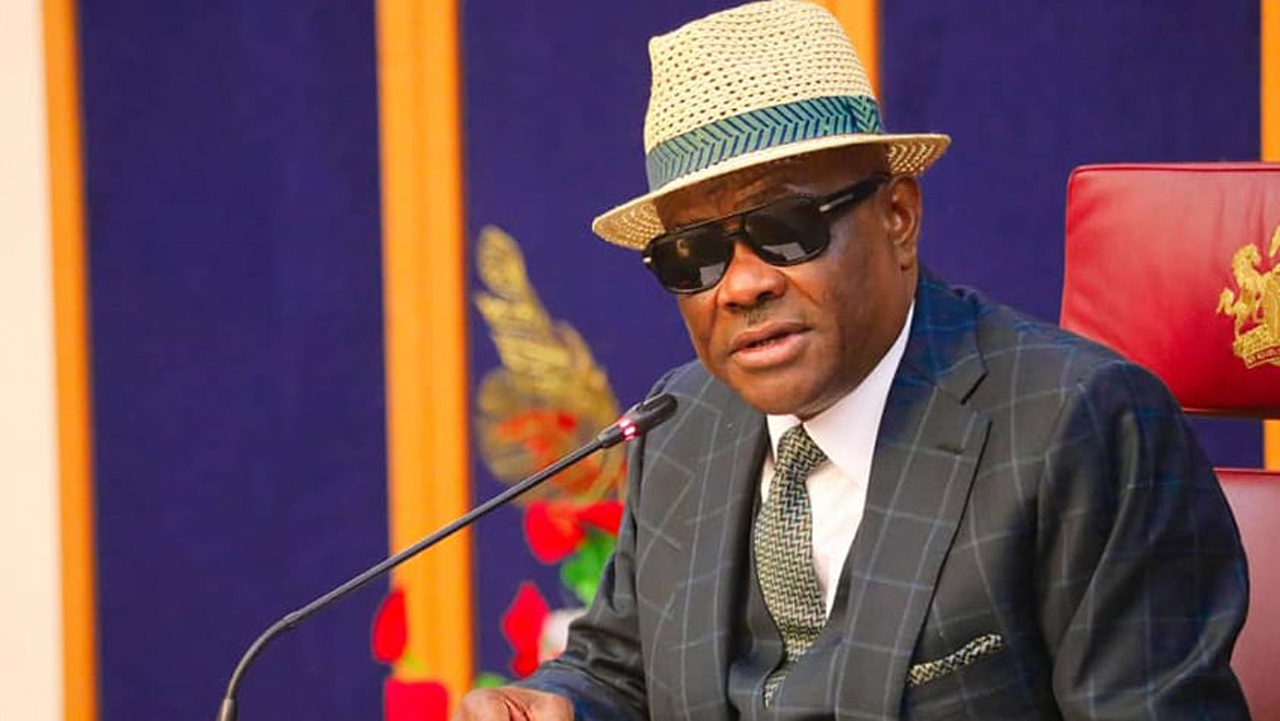
ABUJA — In an effort to quell internal disputes and bolster its chances in the 2027 general elections, the Peoples Democratic Party (PDP) has conceded to a series of key demands from former Rivers State governor and current Minister of the Federal Capital Territory, Nyesom Wike.
 blob:https://www.image2url.com/6b1201f1-93ee-44f9-bbeb-45816585e575
Party insiders told Vanguard in Abuja that the move is part of a broader reconciliation strategy aimed at reuniting the PDP and mending fractured relationships with influential stakeholders. Wike, regarded as one of the party’s most formidable powerbrokers, has long pushed for three main demands: zoning of the party’s 2027 presidential ticket to the South, the formal recognition of Senator Samuel Anyanwu as the party’s National Secretary, and strict adherence to the long-standing South-South and South-East zoning arrangement.
According to senior PDP figures, the leadership has now fully accepted these demands—effectively removing any public justification for Wike to continue opposing the party’s strategic direction.
“The party has agreed to everything Wike asked for. He wants Anyanwu as secretary, he wants zoning of the presidential ticket to the South, and he wants zoning conventions respected. The party has accepted this, so on what basis will Wike now fight the party?” a high-ranking source revealed.
Addressing the G5 Fallout
The development comes against the backdrop of the weakening of the so-called G5—or Integrity Group—of PDP governors who, during the 2023 election season, challenged the leadership of then-chairman Senator Iyorchia Ayu and presidential candidate Alhaji Atiku Abubakar.
Initially made up of five governors—Wike (Rivers), Samuel Ortom (Benue), Ifeanyi Ugwuanyi (Enugu), Okezie Ikpeazu (Abia), and Seyi Makinde (Oyo)—the bloc has since diminished in strength and numbers. Makinde was the first to drift away, followed by Ortom, leaving Wike with only Ugwuanyi and Ikpeazu as close allies.
“The G5 is now more like a G3, but even that is a stretch,” another insider explained. “Their political influence has dropped significantly. Whatever leverage they once had is now a fraction of what it used to be.”
Party strategists view the reconciliation with Wike as crucial to maintaining political dominance in the South-South and South-East—regions where he retains significant grassroots influence. This is seen as especially important with the PDP’s national convention scheduled for November, where zoning and leadership issues will be firmly decided.
Goodluck Jonathan Factor Looms Over 2027
Amid the push to solidify alliances, PDP insiders are also closely monitoring the political intentions of former President Goodluck Jonathan. Though he has yet to declare any interest in contesting the 2027 presidential race, speculation remains strong.
Some within the party believe a Jonathan candidacy—especially if paired with former Kano governor Senator Rabiu Kwankwaso—could dramatically reshape Nigeria’s political landscape.
“Jonathan can destabilise the PDP if he comes in unexpectedly. But if he were to announce a ticket with Kwankwaso, it could be a political game-changer,” one source noted. “Jonathan is still respected in the South-South and South-East, and even with Peter Obi in the picture, he is one of the few who could influence Obi not to run.”
The North’s Structural Political Edge
Beyond individual personalities, senior PDP figures also point to what they describe as a long-standing structural advantage enjoyed by the Northern political bloc.
“The Hausa-Fulani political bloc is far more sophisticated politically than others,” one top party official said. “Our Saturday election schedule works in their favour. Unlike many countries that vote midweek, our Saturday voting allows them to hold key political meetings on Fridays. By the time they head to the polls, they have already made final decisions on strategy.”
This Friday–Saturday political rhythm, according to the source, has been part of the North’s electoral playbook for years, helping them maintain a strong influence over national politics.
Strategic Implications Moving Forward
By meeting Wike’s demands, the PDP hopes to close a chapter of internal discord that has dogged the party since before the 2023 elections. Analysts believe that this could pave the way for a more unified front heading into the 2027 campaign season—although much will depend on how Wike himself responds in practice, and whether he commits fully to the party’s new direction.
The acceptance of zoning to the South could also reshape the field of potential presidential aspirants within the PDP, potentially sidelining some Northern heavyweights while boosting the chances of Southern candidates.
With the November convention approaching, the party’s focus will likely turn to consolidating its internal structures, mending old rivalries, and preparing for the intense political contest ahead. But while the immediate crisis with Wike may have been resolved, other uncertainties—such as Jonathan’s potential comeback and the evolving power dynamics between political blocs—continue to hang over the PDP’s long-term strategy.











Leave a Comment
Your email address will not be published. Required fields are marked with *