

Fresh controversy has erupted in the House of Representatives as calls intensify for Speaker Abbas Tajudeen to provide concrete evidence regarding the alleged defection of Minority Leader, Kingsley Chinda, from the Peoples Democratic Party (PDP) to the ruling All Progressives Congress (APC). The demand follows growing speculation within political circles that Chinda may have
Fresh controversy has erupted in the House of Representatives as calls intensify for Speaker Abbas Tajudeen to provide concrete evidence regarding the alleged defection of Minority Leader, Kingsley Chinda, from the Peoples Democratic Party (PDP) to the ruling All Progressives Congress (APC).
The demand follows growing speculation within political circles that Chinda may have quietly aligned himself with the APC amid the increasing wave of defections currently shaking opposition parties across the country. Critics are now insisting that if such a defection truly occurred, the Speaker must officially present documentary proof and immediately declare Chinda’s resignation or removal as Minority Leader.
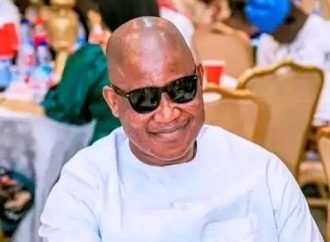
 blob:https://www.image2url.com/6b1201f1-93ee-44f9-bbeb-45816585e575
The controversy has further deepened tensions within the National Assembly, especially as opposition lawmakers continue to accuse the ruling party of attempting to weaken democratic institutions by encouraging defections from rival political parties.
NUC Bans HND-to-BSc Conversion, Top-Up Programmes In Nigerian Universities
Political stakeholders and concerned lawmakers have questioned the basis upon which discussions surrounding Chinda’s alleged defection emerged. According to them, no formal letter of resignation from the PDP or official declaration of membership in the APC has been publicly presented before the House.
Critics argue that under parliamentary tradition and constitutional procedure, a lawmaker’s defection must be formally communicated through an official letter addressed to the Speaker and read during plenary before any political status can change.
A number of opposition figures have therefore challenged Speaker Abbas Tajudeen to publicly disclose any such correspondence if it exists.
“If there is evidence that Hon. Kingsley Chinda has defected to the APC, let the Speaker produce it before Nigerians,” one opposition source reportedly stated. “Anything short of that amounts to speculation and political manipulation.”
The controversy comes at a sensitive time when several lawmakers from opposition parties have already crossed over to the APC, fueling concerns about the shrinking space for opposition politics in Nigeria.
Kingsley Chinda, who represents Obio/Akpor Federal Constituency of Rivers State, has remained one of the most visible opposition voices in the House of Representatives. As Minority Leader, he has frequently criticized government policies and defended the interests of opposition lawmakers within the lower chamber.
His alleged defection, if confirmed, would represent a major political development and could trigger a reshuffling of leadership positions within the House.
Opposition parties insist that Chinda cannot continue to occupy the office of Minority Leader if he has indeed joined the ruling APC. According to parliamentary convention, the Minority Leader must come from the largest opposition party in the House.
Some PDP members have therefore demanded his immediate resignation if he has abandoned the party. Others, however, maintain that no such defection has occurred and accuse political opponents of spreading false narratives to create confusion within the opposition ranks.
So far, Chinda himself has not publicly confirmed any move to the APC, further fueling uncertainty surrounding the matter.
The dispute over Chinda’s political status is unfolding against the backdrop of a wider wave of defections that has continued to reshape Nigeria’s political landscape ahead of the 2027 general elections.
In recent months, dozens of lawmakers and political figures from opposition parties including the PDP and the New Nigeria Peoples Party (NNPP) have defected to the APC. The trend has sparked fears among critics that Nigeria may gradually drift toward a one-party dominance if opposition parties continue to lose key members.
Supporters of the APC, however, argue that the defections are voluntary and reflect confidence in the ruling party’s leadership and policies.
The growing number of defections has also intensified legal and constitutional debates regarding whether elected officials should retain their seats after switching parties, especially in cases where there is no clear division within their former political platform.
Legal experts and civil society groups have also weighed in on the Chinda controversy, emphasizing the need for due process and constitutional compliance in matters involving party defection.
According to constitutional provisions, lawmakers who defect from the party under which they were elected may lose their seats unless the move is justified by internal crisis or division within the party.
Observers say the Speaker must therefore tread carefully to avoid accusations of bias or political favoritism.
Many Nigerians are now watching closely to see whether the House leadership will officially address the matter or whether the controversy will quietly fade amid the larger political realignments taking place across the country.
For now, the demand remains clear from opposition voices: if Kingsley Chinda has truly defected to the APC, the Speaker should provide evidence and ensure that constitutional and parliamentary procedures are followed accordingly.





















Leave a Comment
Your email address will not be published. Required fields are marked with *