
Senator Ningi Demands Probe Into Unpaid Federal Project Contractors Senator Abdul Ahmed Ningi, representing the Bauchi Central Senatorial District, has called for an urgent investigation into reports that the Federal Government has failed to pay contractors for various completed projects dating back to 2024. The lawmaker raised the issue during Tuesday’s plenary session at
Senator Ningi Demands Probe Into Unpaid Federal Project Contractors
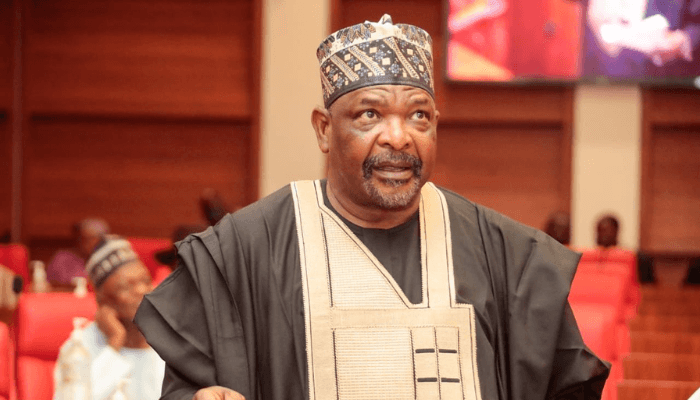
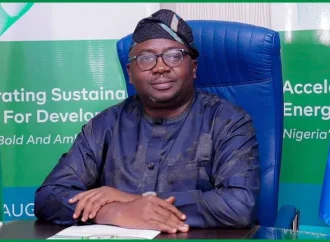
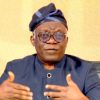
Senator Abdul Ahmed Ningi, representing the Bauchi Central Senatorial District, has called for an urgent investigation into reports that the Federal Government has failed to pay contractors for various completed projects dating back to 2024. The lawmaker raised the issue during Tuesday’s plenary session at the National Assembly, urging the Senate to act swiftly and mandate the Appropriation Committee to uncover the reasons behind the delayed payments.
 blob:https://www.image2url.com/6b1201f1-93ee-44f9-bbeb-45816585e575
Ningi, visibly concerned about the matter, emphasized that the Senate cannot turn a blind eye to the growing complaints and rumors circulating within Nigeria’s contracting and development circles. According to him, the non-payment of contractors, many of whom executed projects for government Ministries, Departments, and Agencies (MDAs), is threatening economic stability and undermining trust in public institutions.
“Most of the constituency projects that I know of, almost 80 percent were completed six months before today,” Senator Ningi stated. “You begin to hear rumours that the Minister of Finance and the Office of the Accountant General are picking and choosing which projects to finance. This is not right.”
INEC Declines ADA Registration, Cites Non-Compliance With Electoral Requirements
Ningi Pushes for Transparency in Federal Project Payments
The Senator’s comments follow growing speculation that several federal contractors have not received payment since October 2024. The issue has sparked concern among legislators, contractors, and the general public, particularly amid Nigeria’s current economic challenges.
Ningi urged the upper chamber to assign the Senate Committee on Appropriations the task of investigating the root of the issue. He proposed a two-week deadline for the committee to deliver its findings, emphasizing the urgency of resolving the matter.
“This is not something we can treat with silence. If the government is truly owing contractors, it undermines our national development goals and risks derailing essential infrastructure projects,” he added.
The lawmaker argued that picking and choosing which projects to fund sends a dangerous message and damages the credibility of the Federal Government, especially to contractors who rely on payments to sustain operations and pay workers.
House of Representatives Already Taking Action
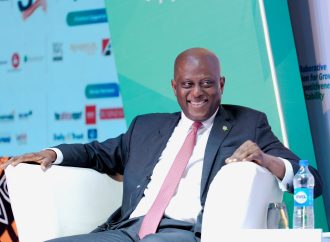
Prior to Ningi’s call in the Senate, the House of Representatives had taken preliminary action on the same issue. On May 8, the lower chamber summoned several top-ranking officials to provide explanations on the delayed payments. These include Central Bank Governor Yemi Cardoso, Minister of Finance and Coordinating Minister of the Economy Wale Edun, and Minister of Budget and Economic Planning Atiku Bagudu.
The summons reflected the growing impatience among lawmakers over the lack of transparency surrounding government expenditures, despite multiple project completions.
Sources within the House say the focus of the inquiry will be to determine whether the non-payment stems from a cash flow crisis, administrative bottlenecks, or mismanagement of allocated funds.
Economic and Political Implications
The situation has broader implications for Nigeria’s economy and governance. Unpaid contractors often halt further work, lay off staff, or abandon future government collaborations, stalling national development. Additionally, it risks eroding investor confidence in public-private partnerships.
Critics argue that the selective disbursement of funds, if proven true, reveals a deeper rot in Nigeria’s budgeting process and fiscal discipline. Some have even speculated that political interests may be influencing which projects receive funding—an allegation that lawmakers, including Ningi, are demanding be investigated thoroughly.
If the Senate Appropriation Committee uncovers wrongdoing or inefficiencies, the results could lead to a restructuring of how government contracts are handled, monitored, and financed.
What Happens Next
Following Ningi’s motion, the Senate is expected to issue an official mandate to the Appropriation Committee, tasking them with a full-scale probe into the funding irregularities. The committee will be expected to consult with the Federal Ministry of Finance, the Office of the Accountant General, and relevant MDAs to gather facts.
The outcome of this investigation may be tabled in a special plenary session in the coming weeks and could prompt further legislative oversight or even sanctions if wrongdoing is discovered.
For now, contractors, citizens, and stakeholders await answers, hoping that the probe will bring clarity and restore accountability in Nigeria’s federal financial system.











Leave a Comment
Your email address will not be published. Required fields are marked with *