
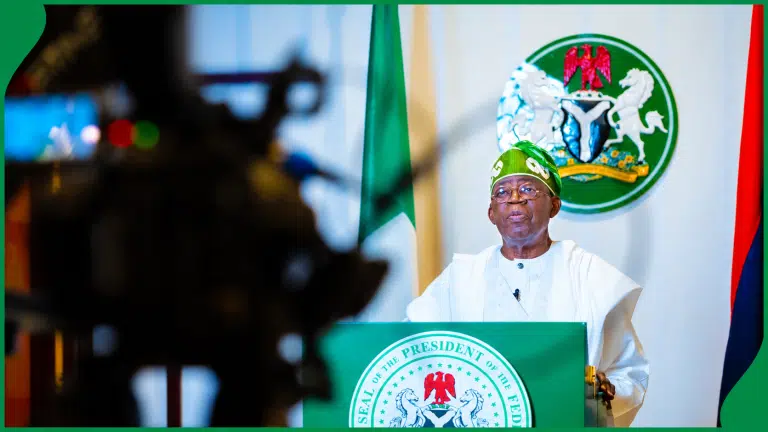
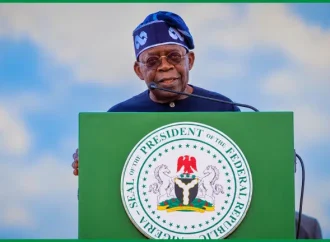
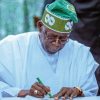
President Bola Ahmed Tinubu has said reducing the cost of living remains a major priority of his administration, promising to lower the cost of producing and transporting goods and services across Nigeria. Tinubu stated this in his 66th Independence Day address to Nigerians on Thursday, October 1, 2026, as he reflected on the country’s economic
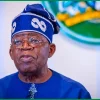
President Bola Ahmed Tinubu has said reducing the cost of living remains a major priority of his administration, promising to lower the cost of producing and transporting goods and services across Nigeria.
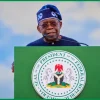
Tinubu stated this in his 66th Independence Day address to Nigerians on Thursday, October 1, 2026, as he reflected on the country’s economic challenges and the reforms implemented by his administration since taking office.
‘Tinubu Must Go’: Amnesty, Police Clash Over Arrest Of Five Men
 blob:https://www.image2url.com/6b1201f1-93ee-44f9-bbeb-45816585e575
The President said Nigeria had endured civil conflict, military rule, economic crises, insecurity and political instability but had continued to move forward because of the resilience of its citizens.
According to Tinubu, about three years of economic reforms had helped address longstanding distortions in the economy, with the government now shifting its focus towards what he described as shared prosperity.
“The age of reform has done its work. Now begins the age of prosperity,” Tinubu said.
The President argued that the reforms did not create Nigeria’s economic problems but were introduced to address difficulties that had accumulated over several decades.
He also rejected calls for a return to subsidy arrangements, saying his administration would continue with its current economic direction rather than reverse what he described as necessary reforms.
Tinubu Lists Economic Gains
Tinubu said Nigeria’s economy had recorded growth of more than four per cent in 2026, with both the oil and non-oil sectors contributing to the expansion.
He also cited reduced oil theft, declining inflation from its peak, improved foreign reserves and greater stability in the foreign exchange market as indicators of progress.
The President said Nigeria’s non-oil exports generated more than $6 billion in 2025, which he described as the highest figure recorded by the country.
He added that the private sector had responded to the reforms and that foreign direct investment was increasing.
However, Tinubu acknowledged that economic growth must ultimately translate into improved living conditions for ordinary Nigerians.
“When I speak of prosperity, I do not speak merely of a larger economy, abstract numbers or better statistics. I mean something much more personal,” he said.
Government Targets Lower Production, Transport Costs
The President said the government would intensify investment in irrigation, dry-season agriculture, improved access to seeds and fertiliser, mechanisation, storage facilities and transportation.
He also pointed to road, rail and port projects as part of efforts to improve the movement of goods between farms, factories and markets.
Tinubu said reducing production and transportation costs would help bring down the prices of goods and services.
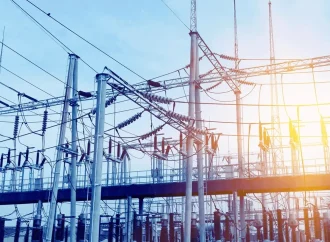
“When a farmer produces more cheaply, when fewer crops are lost between the farm and the market, when a manufacturer spends less on electricity, when a truck reaches its destination faster, and when the business environment fosters fair competition, all those savings will ultimately find their way into the price of goods in the market,” he said.
Tinubu Promises More Jobs, Industrial Growth
The President said job creation, enterprise and industrial growth would remain central to the government’s economic agenda, particularly because of Nigeria’s large youth population.
He said the government would leverage Nigeria’s gas resources to support new industries and assist businesses seeking to revive factories in industrial centres.
Digital connectivity, skills development, infrastructure and access to finance were also listed among the areas the government would prioritise.
Tinubu said he wanted to see more Nigerian businesses producing locally, more farms supplying food to cities and industries, and more Nigerian companies exporting goods and services internationally.
Social Programmes to Continue
The President acknowledged that many Nigerians were still struggling with the cost of food, education, healthcare and transportation.
He attributed the difficulties to longstanding problems including weak productivity, inadequate infrastructure and limited economic opportunities.
Tinubu said the Federal Government was strengthening its social intervention programmes and improving the National Social Register to ensure assistance reaches poorer households.
He also cited the Nigerian Education Loan Fund (NELFUND) as an initiative supporting students from low-income families, while CREDICORP was providing consumer credit for Nigerians seeking to acquire assets such as vehicles, solar equipment and digital devices.
The President said the Federal Government would continue working with state and local governments to improve primary healthcare, basic education and other essential services.
He also said salaries and pensions had been paid promptly since 2023 and that pension reforms were being pursued to improve the welfare of retirees.
“Our objective is not to manage poverty more efficiently. We will defeat it,” Tinubu said.
The President acknowledged that transforming Nigeria’s economy would take time and require sustained economic growth, fiscal discipline and the creation of productive opportunities.
He urged Nigerians to remain united and hopeful, saying his administration had laid what he described as the foundation for lasting prosperity.
“Our destination is in sight. Our foundations are strong. Our direction is clear. So let us go forward. No looking back,” Tinubu said.










Leave a Comment
Your email address will not be published. Required fields are marked with *