
By NewsWorld Reporter New World Bank documents have revealed that nearly eight in every 10 Nigerians remain poor or vulnerable to poverty despite the Federal Government's ongoing economic reforms aimed at restoring macroeconomic stability and stimulating growth. One Killed In Cult Clash As Suspected Egbatedo Boys Attack Idi Seke Motor Park, Damage Vehicles The findings
By NewsWorld Reporter
New World Bank documents have revealed that nearly eight in every 10 Nigerians remain poor or vulnerable to poverty despite the Federal Government’s ongoing economic reforms aimed at restoring macroeconomic stability and stimulating growth.
One Killed In Cult Clash As Suspected Egbatedo Boys Attack Idi Seke Motor Park, Damage Vehicles
 blob:https://www.image2url.com/6b1201f1-93ee-44f9-bbeb-45816585e575
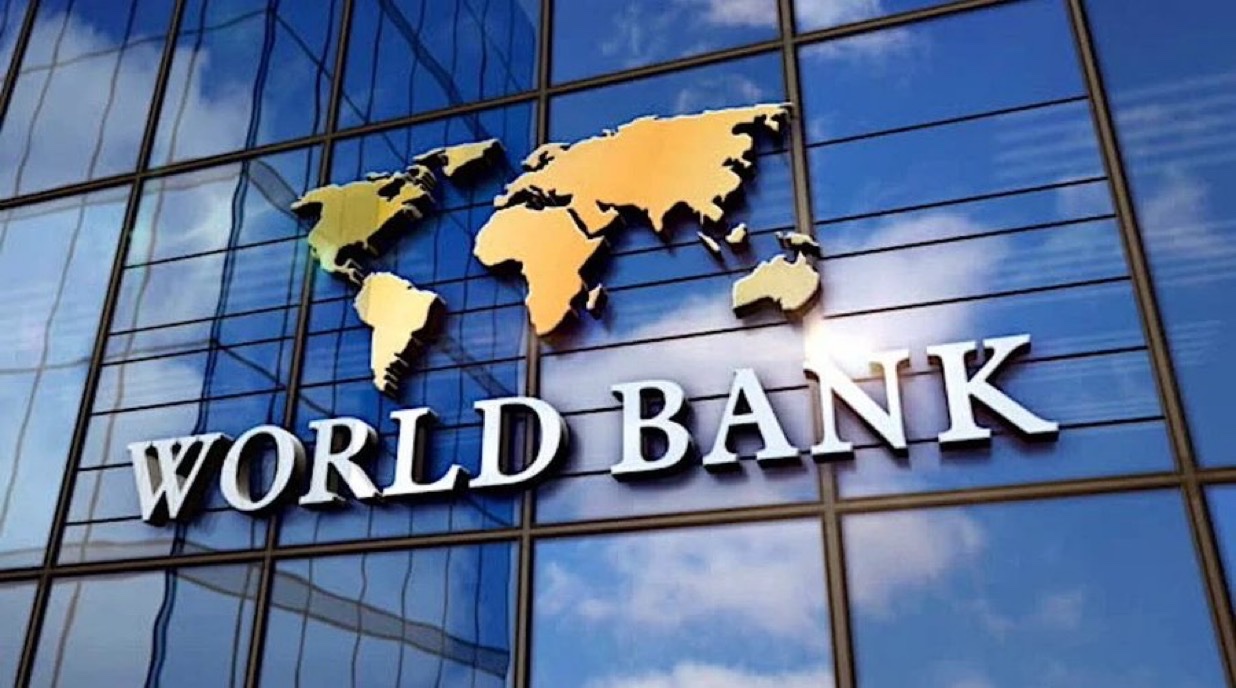
The findings are contained in the World Bank’s newly approved Country Partnership Framework (CPF) for Nigeria (2026–2032) and the accompanying Streamlined Country Diagnostic (SCD), which assess the country’s development challenges and outline priorities for reducing poverty and promoting shared prosperity.
According to the World Bank, 33 per cent of Nigerians are classified as ultra-poor, 61 per cent live below the national poverty line, while 79 per cent are either poor or vulnerable to falling into poverty.
The report defines the latter category as people living below the poverty line or those at significant risk of slipping back into poverty due to economic shocks and limited household resilience.
The World Bank acknowledged that Nigeria has made progress in restoring macroeconomic stability following major policy reforms, including exchange rate liberalisation, fiscal adjustments and revenue mobilisation. However, it noted that these gains have yet to translate into broad-based improvements in household welfare.
The institution said rising inflation, insecurity, weak job creation and limited social protection continue to undermine living standards for millions of Nigerians.
The report also highlighted that Nigeria faces persistent structural challenges, including low human capital development, governance constraints, climate-related risks and inadequate infrastructure, all of which continue to hamper efforts to reduce poverty.
Despite the country’s economic potential as Africa’s largest economy and most populous nation, the World Bank warned that stronger reforms are needed to create quality jobs, improve service delivery and expand opportunities for vulnerable populations.
Meanwhile, the Federal Government has announced plans to introduce a “shared prosperity” scorecard that will measure progress in reducing multidimensional poverty, increasing real income per capita and narrowing inequality as part of efforts to demonstrate the impact of ongoing reforms.
The World Bank’s findings underscore the scale of Nigeria’s poverty challenge and the need for sustained economic reforms that not only stabilise the economy but also deliver tangible improvements in the living conditions of ordinary citizens.






















Leave a Comment
Your email address will not be published. Required fields are marked with *