
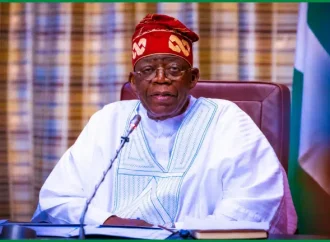
Nigeria has marked a significant step forward in its diplomatic engagements, as 33 out of the 65 ambassadorial nominees submitted by President Bola Tinubu have successfully secured agrément from their respective host countries. This development signals gradual progress in filling key diplomatic positions that have remained vacant for an extended period. According to official
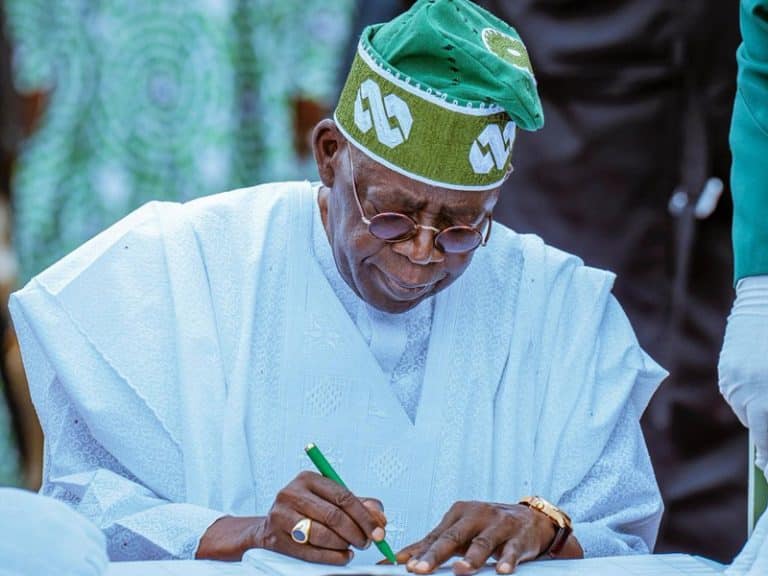
Nigeria has marked a significant step forward in its diplomatic engagements, as 33 out of the 65 ambassadorial nominees submitted by President Bola Tinubu have successfully secured agrément from their respective host countries. This development signals gradual progress in filling key diplomatic positions that have remained vacant for an extended period.
According to official confirmation from the Ministry of Foreign Affairs spokesperson, Kimiebi Ebienfa, the number of approved envoys has now risen to 33, leaving 32 nominees still awaiting consent. Agrément, a critical diplomatic requirement, is the formal approval granted by a host nation after conducting background checks and due diligence on the proposed ambassador.
 blob:https://www.image2url.com/6b1201f1-93ee-44f9-bbeb-45816585e575
Ebienfa explained that ambassadors who have received approval are expected to proceed to their respective countries of assignment upon completing an induction program currently underway in Abuja. The programme, which began earlier in the week, is designed to prepare both career and non-career diplomats for the complexities of international representation.
Nigeria’s Public Debt Surges Under Tinubu Administration: Over ₦65–71 Trillion Added Amid Questions on Utilization
Nigeria’s renewed diplomatic push comes at a time when the country seeks to strengthen its global presence and repair gaps created by delayed appointments. Since assuming office in 2023, President Tinubu faced criticism for leaving several foreign missions without substantive ambassadors, with many embassies led by chargés d’affaires instead.
The eventual nomination of 65 ambassadors in late 2025 was seen as a corrective measure. However, the timing has posed challenges, as some host countries may require extended processing periods, potentially delaying or even rejecting certain nominees.
During the induction programme, the Minister of State for Foreign Affairs, Bianca Odumegwu-Ojukwu, addressed the envoys with a clear directive. She emphasized the importance of projecting a balanced and realistic image of Nigeria on the global stage.
She acknowledged the country’s ongoing struggles with insecurity, infrastructure deficits, and resource mobilisation challenges. However, she urged diplomats not to obscure these issues but to frame them within the context of ongoing reforms and government commitment.
“Your responsibility is to present Nigeria truthfully while attracting international cooperation,” she stated, highlighting the delicate balance diplomats must maintain between transparency and advocacy.
The situation has also been marked by a somber note, as one of the nominees, Mohammed Mahmud Lele, passed away on April 23 before assuming his post as Nigeria’s envoy to Algeria. His death underscores the uncertainties surrounding the prolonged appointment process.
Despite these challenges, analysts view the approval of over half the nominees as a positive indicator. It reflects growing acceptance of Nigeria’s diplomatic representatives and a willingness among host countries to re-engage more fully with Africa’s largest economy.
As the remaining nominees await their agreement, attention will remain on how swiftly Nigeria can complete the process and restore full diplomatic representation worldwide. The outcome will likely influence the country’s ability to advance its foreign policy goals, attract investment, and strengthen international partnerships.
For now, Nigeria’s diplomatic journey continues, balancing urgency with the procedural realities of global diplomacy.














Leave a Comment
Your email address will not be published. Required fields are marked with *