
Lagos, Ogun, Oyo, and Osun Declare Work-Free Day for Isese Day Celebration Tomorrow, four Southwest states—Lagos, Ogun, Oyo, and Osun—will observe a work-free day in commemoration of Isese Day, the annual celebration dedicated to Yoruba culture, traditions, and spirituality. The announcement reflects the growing recognition of traditional religion and heritage as vital elements of the
Lagos, Ogun, Oyo, and Osun Declare Work-Free Day for Isese Day Celebration
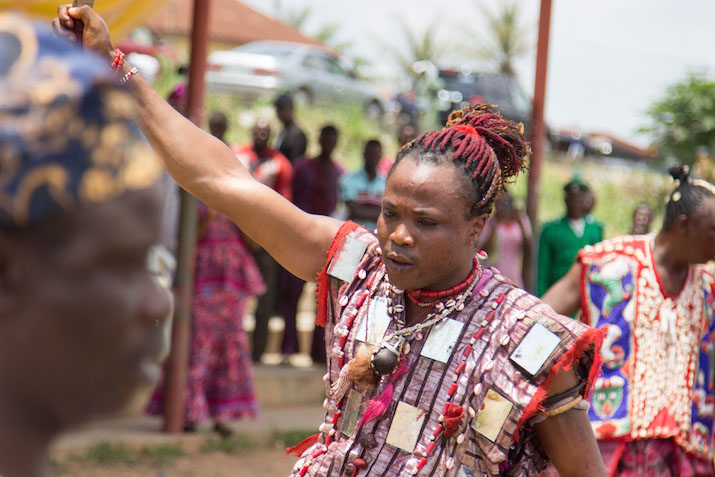
Tomorrow, four Southwest states—Lagos, Ogun, Oyo, and Osun—will observe a work-free day in commemoration of Isese Day, the annual celebration dedicated to Yoruba culture, traditions, and spirituality. The announcement reflects the growing recognition of traditional religion and heritage as vital elements of the region’s identity.
Genesis of the Rift Between Alaafin and Ooni of Ife
 blob:https://www.image2url.com/6b1201f1-93ee-44f9-bbeb-45816585e575
Lagos State: Preserving Indigenous Heritage
In Lagos, Governor Babajide Sanwo-Olu approved the holiday to allow traditional worshippers and the wider public to participate fully in the festivities. A government statement explained that the Isese observance is aimed at “promoting and preserving indigenous heritage,” a cause that has increasingly gained momentum in recent years.
The decision is consistent with Lagos’ cultural policy of inclusivity, ensuring that every segment of society is recognized and celebrated. For traditional religion adherents in the state, the declaration represents more than a holiday—it is an affirmation of their place in the diverse spiritual and cultural landscape of Lagos.
Ogun State: Recognising Yoruba Tradition
The Ogun State Government also joined in the observance, with Governor Dapo Abiodun approving the work-free day. In a statement signed by his Special Adviser on Information and Strategy, Kayode Akinmade, the governor underscored the importance of the day as one dedicated to celebrating Yoruba heritage.
According to the statement, the introduction of Isese Day as a public holiday reflects Abiodun’s recognition of the “vital role Yoruba heritage and practices play in the state’s identity and cultural landscape.” Beyond being a day off work, the celebration fosters community spirit among practitioners while inviting the broader society to respect the contributions of traditional faith to the region’s history and values.
In Ogun, where cultural practices remain deeply embedded in everyday life, the holiday is expected to draw large gatherings at shrines, cultural centers, and family compounds, reaffirming the people’s connection to their roots.
Oyo State: A Circular of Celebration
In Oyo State, Governor Seyi Makinde also declared tomorrow a work-free day. A circular issued by the Secretary to the State Government, Prof. Olanike Adeyemo, confirmed the approval, highlighting the governor’s commitment to inclusiveness and respect for diverse cultural traditions.
Ibadan, the state capital, is often described as a cultural hub in Yorubaland, and the declaration is expected to boost the mood of traditional worshippers who have long advocated official recognition of their festivals. For many in Oyo, the Isese Day holiday serves as a moment of pride, reconnecting the present generation with ancestral legacies.
Osun State: A Festival of Joy
In Osun State, Governor Ademola Adeleke extended his felicitation to traditional religion faithful, wishing them a joyous and memorable celebration. A statement issued in Osogbo by the Commissioner for Home Affairs, Abdul Rasheed Aderibigbe, confirmed the state’s approval of a public holiday.
Osun is widely considered the spiritual heartbeat of Yoruba traditional religion, particularly because of the globally renowned Osun-Osogbo Festival, which attracts thousands of local and international tourists every year. Against this backdrop, the Isese Day holiday has even deeper cultural resonance, reaffirming Osun’s role as a custodian of Yoruba spiritual identity.
Significance of Isese Day
Isese Day, celebrated annually on August 20, is a day set aside to honor the Yoruba traditional religion, practices, and beliefs. The word Isese itself means “origin” or “tradition,” symbolizing a return to the roots of Yoruba spirituality.
The celebration includes rituals, prayers, drumming, dancing, and communal feasting. Shrines and sacred groves become gathering points for adherents, while communities use the day to teach younger generations about cultural values and ancestral traditions.
For many practitioners, the recognition of Isese Day as an official holiday in multiple states is a long-awaited affirmation of their faith’s place in society, standing alongside Christianity and Islam in the Nigerian spiritual landscape.
The collective decision by Lagos, Ogun, Oyo, and Osun to declare work-free days signals a broader shift in governance towards acknowledging and preserving indigenous traditions. Analysts believe that this recognition not only strengthens cultural pride but also boosts tourism, as the colorful celebrations often attract visitors from far and wide.
It also reflects an evolving conversation about religious inclusivity in Nigeria, where traditional faiths, despite their deep historical roots, have sometimes struggled for recognition in the face of dominant Abrahamic religions.
By approving the holiday, the four governors have not only validated the identity of practitioners but also contributed to building a more inclusive society where every belief system is respected.
As Lagos, Ogun, Oyo, and Osun states prepare to mark Isese Day tomorrow, the Yoruba people are set to reaffirm their cultural pride and ancestral values. From bustling Lagos to historic Ibadan, from the groves of Osogbo to the communities of Ogun, traditional worshippers will gather in rituals and festivities that honor their heritage.
The declarations of work-free days are more than administrative acts—they are cultural milestones that highlight the importance of tradition in shaping identity. In a world where globalization often threatens to erode indigenous values, the recognition of Isese Day stands as a reminder that roots must never be forgotten.



















Leave a Comment
Your email address will not be published. Required fields are marked with *