
Mwaghavul Community Cries Out Over Genocide: Over 600 Killed, 65,000 Displaced in Plateau Attacks The Mwaghavul ethnic nationality in Mangu Local Government Area of Plateau State has issued a heartbreaking plea to the Nigerian government and international community, revealing that their people have suffered the loss of over 600 lives in what they describe as
Mwaghavul Community Cries Out Over Genocide: Over 600 Killed, 65,000 Displaced in Plateau Attacks
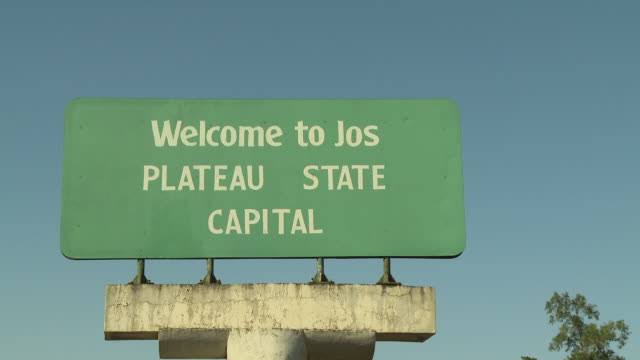
The Mwaghavul ethnic nationality in Mangu Local Government Area of Plateau State has issued a heartbreaking plea to the Nigerian government and international community, revealing that their people have suffered the loss of over 600 lives in what they describe as a sustained, coordinated genocide carried out by armed herdsmen. In addition to the tragic death toll, more than 65,000 villagers have been displaced, and over 6,111 homes have been razed in violent attacks that have continued unabated for the past two years.
This grim revelation was made on Friday by the National President of the Mwaghavul Youth Movement, Kyesmang Yusuf, who addressed journalists on the humanitarian and security crisis engulfing the once-peaceful community.
 blob:https://www.image2url.com/6b1201f1-93ee-44f9-bbeb-45816585e575
Nasarawa Governor Dismisses Rumors Of Buhari’s Exit From APC Ahead Of 2027 Elections
Mwaghavul at the Epicentre of Plateau Violence
Plateau State, known for its vibrant mix of ethnic groups and cultural heritage, has in recent years become a hotspot for violent clashes, often involving herdsmen and local farming communities. The Mwaghavul nation, located in the heart of Mangu LGA, has found itself at the epicentre of this unrest, suffering some of the heaviest losses.
“The unprovoked attacks on the Mwaghavul nation have resulted in the sacking of over 30 villages out of 103 affected communities, displacement of over 65,000 villagers, grounding of 6,111 houses and immense loss of over 600 lives, aside from properties,” Yusuf stated.
He noted that since April 13, 2023, the community has faced relentless assaults from what he described as Fulani terrorists, accusing them of targeting innocent civilians, particularly farmers and villagers going about their daily lives. “For two years, the Fulani terrorists have neither shown any form of remorse for their atrocities nor regard for human life,” he said.
A Call for Unity Against a Common Enemy
Yusuf emphasized the need for solidarity among all tribes in Plateau State, calling for a united front against those responsible for the violence. He condemned the killings and destruction, describing them as acts of genocide against the Mwaghavul people.
“The Mwaghavul nation has been a victim of coordinated genocide committed by Fulani terrorists against our nation since April 13, 2023,” he reiterated. “Although this genocide has become widespread in Nigeria, our local situation has been disturbing, given our shared mutual coexistence for decades.”
He acknowledged that conflict is natural in any society but decried the choice of violence by the attackers rather than pursuing peaceful conflict resolution through dialogue or institutional channels. “Nowhere in the world have such violent strategies yielded positive results in resolving conflict,” Yusuf added.
Rising Tensions and Fear of Renewed Attacks
The Mwaghavul Youth Movement raised the alarm over potential new waves of violence, pointing to fresh accusations leveled by some Fulani individuals, which they believe could be used to justify further attacks. The group expressed deep concern that these accusations are part of a pattern of misinformation and scapegoating that often precedes violence.
“There are disturbing signs of another planned attack on our people,” Yusuf warned. “The government must act now before more lives are lost.”
The group urged the federal and state governments to take decisive action, including strengthening the security architecture in Mangu and other volatile parts of the state, conducting thorough investigations into past incidents, and prosecuting those found responsible for the atrocities.
Call for Empowerment and Military Accountability
Beyond calls for justice, the Mwaghavul people are demanding empowerment to defend themselves and their land from further attacks. The Youth Movement called on authorities to support local initiatives aimed at community protection and resilience.
Moreover, the group urged the Nigerian Army to investigate reports of recent destruction of crops by suspected herdsmen in Mangu. The destruction of farmlands, they said, adds to the economic devastation already suffered and further deepens the food insecurity affecting the displaced population.
“These acts are not just about killings; they are designed to wipe out our existence and livelihood,” Yusuf said. “This is an attempt to erase our identity and reduce our people to helpless refugees in their own land.”
A Humanitarian Crisis Demanding Urgent Action
With over 65,000 people displaced and thousands of homes reduced to rubble, the Mwaghavul community is facing a dire humanitarian crisis. Many of the displaced are living in temporary shelters, lacking access to adequate food, water, healthcare, and education.
Local and international human rights organizations have been called upon to visit the affected areas and document the atrocities committed. The Mwaghavul people are appealing for humanitarian aid and global attention to end what they term a slow-burning genocide that continues to claim lives and destroy futures.
As Plateau State reels from these repeated waves of violence, the Mwaghavul community’s cries for help underline a broader failure of the state and federal government to protect vulnerable communities from escalating ethno-religious conflicts and terrorism in Nigeria’s Middle Belt.











Leave a Comment
Your email address will not be published. Required fields are marked with *