
SBM Report: 1,686 Killed in 909 Gang Violence Incidents Across Nigeria Since 2020 Abuja, Nigeria – A newly released report by SBM Intelligence has revealed the devastating toll of gang-related violence in Nigeria, with at least 1,686 deaths recorded across 909 incidents between January 2020 and March 2025. The report, published on Tuesday, underscores the
SBM Report: 1,686 Killed in 909 Gang Violence Incidents Across Nigeria Since 2020
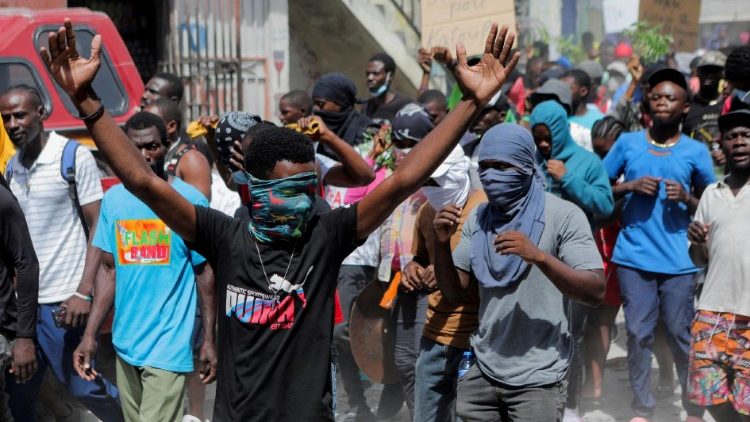
Abuja, Nigeria – A newly released report by SBM Intelligence has revealed the devastating toll of gang-related violence in Nigeria, with at least 1,686 deaths recorded across 909 incidents between January 2020 and March 2025. The report, published on Tuesday, underscores the persistent and escalating threat of gang rivalries—especially in the South-South and South-West regions.
The study highlights the central role of cult groups such as Vikings, Icelanders, Aiye, Eiye, Black Axe, and Greenlanders, whose violent feuds have contributed significantly to rising insecurity in urban and semi-urban centers.
 blob:https://www.image2url.com/6b1201f1-93ee-44f9-bbeb-45816585e575
South-South and South-West Emerge as Epicentres
According to the data, Rivers State topped the fatality chart with 215 deaths, followed by Lagos State with 197 deaths, and Edo State with 192 deaths. These states are known for deeply entrenched cult and gang networks, particularly among youth populations in coastal and urban areas.
The South-South region was identified as the most lethal, recording over 750 fatalities, largely driven by recurring turf wars among Vikings, Icelanders, and Greenlanders in states such as Rivers, Delta, and Bayelsa.
The South-West region, particularly Lagos and Ogun, followed with 491 documented deaths, with SBM citing persistent confrontations between the Aiye and Eiye confraternities. These groups, often linked to university cult systems, have extended their reach to street-level operations and organized crime networks.
In Edo State, the influence of cultists remains deeply rooted in political and social conflicts, further complicating law enforcement efforts.
2027 Power Battle Intensifies As APC Declares Opposition Coalition “Dead On Arrival”
Southeast and North-Central Also Hit by Violence
The Southeast, notably Anambra State, was not spared from the bloodshed, with over 215 deaths recorded. The report notes that Viking and Aiye cults are increasingly active in the region, with some of the violence allegedly overlapping with broader separatist tensions and agitations for Biafra.
In the North-Central, particularly Benue State, over 204 fatalities were linked to gang activities. Cult groups such as Scavengers and Chain operate in this zone, often taking advantage of ongoing communal clashes to assert influence and consolidate power.
SBM pointed out that the convergence of cultism and ethnic violence has created a volatile security environment in Benue and neighbouring states, posing challenges for both local authorities and federal forces.
Northeast and Northwest: Gang Activity Overshadowed by Terrorism
In stark contrast, the Northeast and Northwest recorded fewer than 30 deaths combined due to gang-related violence. SBM attributes this relatively low figure to the dominance of insurgent groups like Boko Haram, ISWAP, and armed bandits, whose activities overshadow traditional cult and gang operations.
“In these regions, large-scale terror has rendered gang violence almost non-existent or irrelevant by comparison,” the report explained.
While this may suggest reduced cultism in the far North, SBM cautioned that the absence of gang activity does not equate to peace, given the continued prevalence of terrorist attacks, kidnappings, and rural banditry.
Trends Over Time: 2024 Leads in Incidents, Fewer Fatalities
SBM’s Violence Tracker showed that 2024 recorded the highest number of gang-related incidents (273), but surprisingly had fewer fatalities compared to prior years. Analysts believe this could indicate a shift in gang tactics—potentially towards intimidation and non-lethal confrontations—or improvements in emergency medical responses.
The average number of fatalities per incident stood at approximately 1.85, highlighting the often-deadly nature of these confrontations. The majority of killings occurred during retaliatory attacks, territorial disputes, and initiation rites gone violent.
The report also warned of the increasing politicization of cult groups, with some being used for election violence and suppression of opposition in local government contests.
Call for Urgent Action
Security experts and civil society groups have reacted strongly to the findings, urging both federal and state governments to address the root causes of cultism and gang-related violence. Many have called for a combination of youth empowerment, intelligence-led policing, and community-based interventions to reverse the rising tide of bloodshed.
SBM concluded by recommending a multi-pronged strategy, including:
- Strengthening police-community relations.
- Targeted anti-cult operations in hotspots.
- Rehabilitation programs for repentant cultists.
- Enforcing strict penalties for gang-related crimes.
As Nigeria prepares for upcoming electoral cycles, concerns persist that political actors may once again exploit these violent networks for electoral gain, potentially worsening the crisis if not urgently addressed.






















Leave a Comment
Your email address will not be published. Required fields are marked with *