
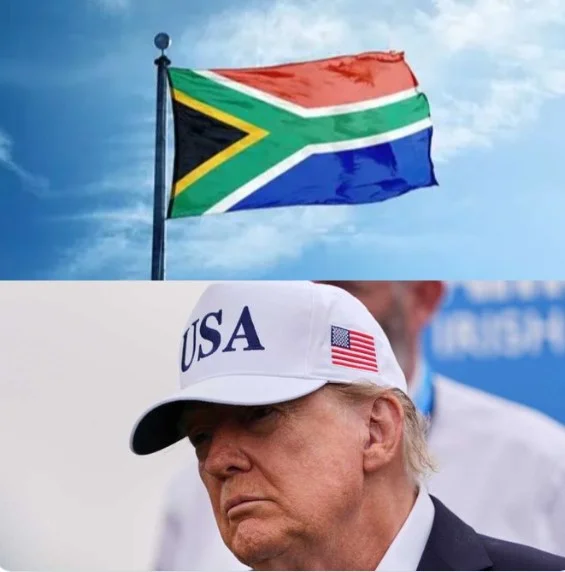
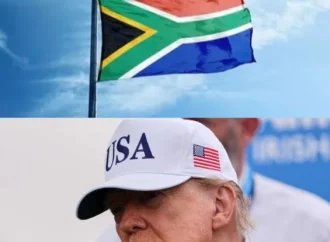
The United States has announced new visa restrictions targeting certain foreign nationals linked by Washington to policies involving land expropriation without compensation, race-based discrimination and alleged incitement of imminent violence against minority ethnic or racial groups in South Africa. US Secretary of State Marco Rubio announced the measure on September 15, 2026, saying the restrictions
The United States has announced new visa restrictions targeting certain foreign nationals linked by Washington to policies involving land expropriation without compensation, race-based discrimination and alleged incitement of imminent violence against minority ethnic or racial groups in South Africa.
US Secretary of State Marco Rubio announced the measure on September 15, 2026, saying the restrictions would apply to individuals whom the US government considers responsible for, or complicit in, policies that fall within the specified categories.
The measure is being implemented under Section 212(a)(3)(C) of the US Immigration and Nationality Act, a provision that allows the Secretary of State to restrict the admission of foreign nationals when their entry could have potentially serious adverse consequences for US foreign policy.
 blob:https://www.image2url.com/6b1201f1-93ee-44f9-bbeb-45816585e575
Premier League International Break To Last 16 Days For First Time
Recent reports describe the policy as targeted rather than a blanket suspension of visas for all South African citizens.
The US government has not publicly provided a complete list of people who could be affected by the new restrictions, nor has it disclosed how many individuals may ultimately be subject to them.
U — US Targets Individuals Linked to Controversial South African Policies
In announcing the policy, Rubio cited Washington’s concerns about what the US administration describes as government-sponsored discrimination and racial tensions involving Afrikaners and other minority groups in South Africa.
The US also pointed to South Africa’s land reform policies, particularly measures concerning the possibility of expropriating land without compensation.
Washington has additionally cited rhetoric that it says could contribute to the incitement of imminent violence against minority racial or ethnic groups.
The restrictions therefore focus on individuals whom the US says are directly responsible for, or complicit in, the enactment or implementation of such policies.
The announcement does not establish that South African citizens generally will be denied US visas. South Africa continues to have ordinary visa arrangements for its nationals, subject to applicable US immigration requirements and individual eligibility. The State Department’s current South Africa visa information, for example, continues to list standard visa classifications and validity periods.
Fresh Strain in US-South Africa Relations
The latest visa measure adds another issue to an increasingly complicated relationship between Washington and Pretoria under US President Donald Trump.
The Trump administration has previously criticised South Africa over its land reform policies and its approach to racial issues.
South African officials, however, have rejected allegations that the country’s policies amount to persecution or discrimination against white South Africans. South African authorities have argued that land reform must be understood in the context of the country’s history of apartheid and the longstanding racial disparities in land ownership.
The competing positions have contributed to diplomatic tensions between the two governments, with land policy and racial inequality becoming prominent areas of disagreement.
The new US restrictions now introduce an immigration consequence for individuals Washington believes are connected to policies it considers contrary to US foreign-policy interests.
What the New Restrictions Mean for South Africans
For ordinary South African travellers, the announcement does not amount to a general prohibition on travelling to the United States.
Instead, the policy is directed at individuals who fall within the categories identified by the US government.
That distinction is significant because a targeted visa restriction operates differently from a countrywide visa suspension. The US Department of State continues to maintain visa information for South African nationals, including classifications such as B-1/B-2 visitor visas.
The latest announcement is therefore primarily a diplomatic and immigration measure aimed at particular individuals rather than a blanket restriction covering the entire South African population.
The development is nevertheless likely to attract further attention because it comes amid continuing disagreements between the United States and South Africa over land reform, racial policy and the treatment of minority groups.
As Washington and Pretoria continue to hold different positions on these issues, the new restrictions represent another significant development in their diplomatic relationship.
















Leave a Comment
Your email address will not be published. Required fields are marked with *